 86-312-8695888
 86-13722963501
 info@hbysindustry.com
-
 африкански
-
 албански
-
 амхарски
-
 арабски
-
 арменски
-
 азербайджански
-
 баски
баски
-
 белоруски
-
 бенгалски
-
 босненски
-
 български
-
 каталонски
-
 себуано
-
 корсикански
-
 хърватски
-
 чешки
чешки
-
 датски
-
 холандски
-
 Английски
-
 Есперанто
-
 естонски
-
 финландски
-
 Френски
-
 фризийски
-
 галисийски
-
 грузински
-
 Немски
-
 Гръцки
-
 гуджарати
-
 хаитянски креолски
-
 хауса
хауса
-
 хавайски
-
 иврит
иврит
-
 не
не
-
 Мяо
Мяо
-
 унгарски
-
 исландски
-
 игбо
игбо
-
 индонезийски
-
 ирландски
-
 Италиански
-
 японски
-
 явански
-
 каннада
-
 казахски
-
 кхмерски
-
 Руанда
-
 корейски
-
 кюрдски
-
 киргизки
-
 туберкулоза
-
 латински
-
 латвийски
-
 литовски
-
 люксембургски
-
 македонски
-
 Малгаши
-
 малайски
-
 малаялам
-
 малтийски
-
 маори
маори
-
 маратхи
-
 монголски
-
 Мианмар
-
 непалски
-
 норвежки
-
 норвежки
-
 окситански
-
 Pashto
-
 персийски
-
 полски
-
 португалски
-
 пенджабски
-
 румънски
-
 Руски
Руски
-
 самоанска
-
 шотландски келтски
-
 сръбски
-
 Английски
-
 Шона
Шона
-
 Синдхи
-
 сингалски
-
 словашки
-
 словенски
-
 сомалийски
-
 испански
-
 сундански
-
 суахили
-
 шведски
-
 тагалог
-
 таджикски
-
 тамилски
-
 татарски
-
 телугу
-
 тайландски
-
 Турски
-
 туркменски
-
 украински
-
 урду
урду
-
 уйгурски
-
 узбекски
-
 виетнамски
-
 уелски
-
 Помогне
-
 идиш
идиш
-
 йоруба
-
 зулу
зулу


Slip On Flange: A Reliable Solution for Flange Connections
The slip on flange is one of the most popular and widely used types of flanges in various industrial applications. Known for its ease of installation and flexibility in low-pressure environments, this flange type is a favorite among engineers and contractors alike. Designed to slip over the pipe and welded into place, it offers excellent performance when properly installed, making it a reliable choice in systems where strength and durability are key.
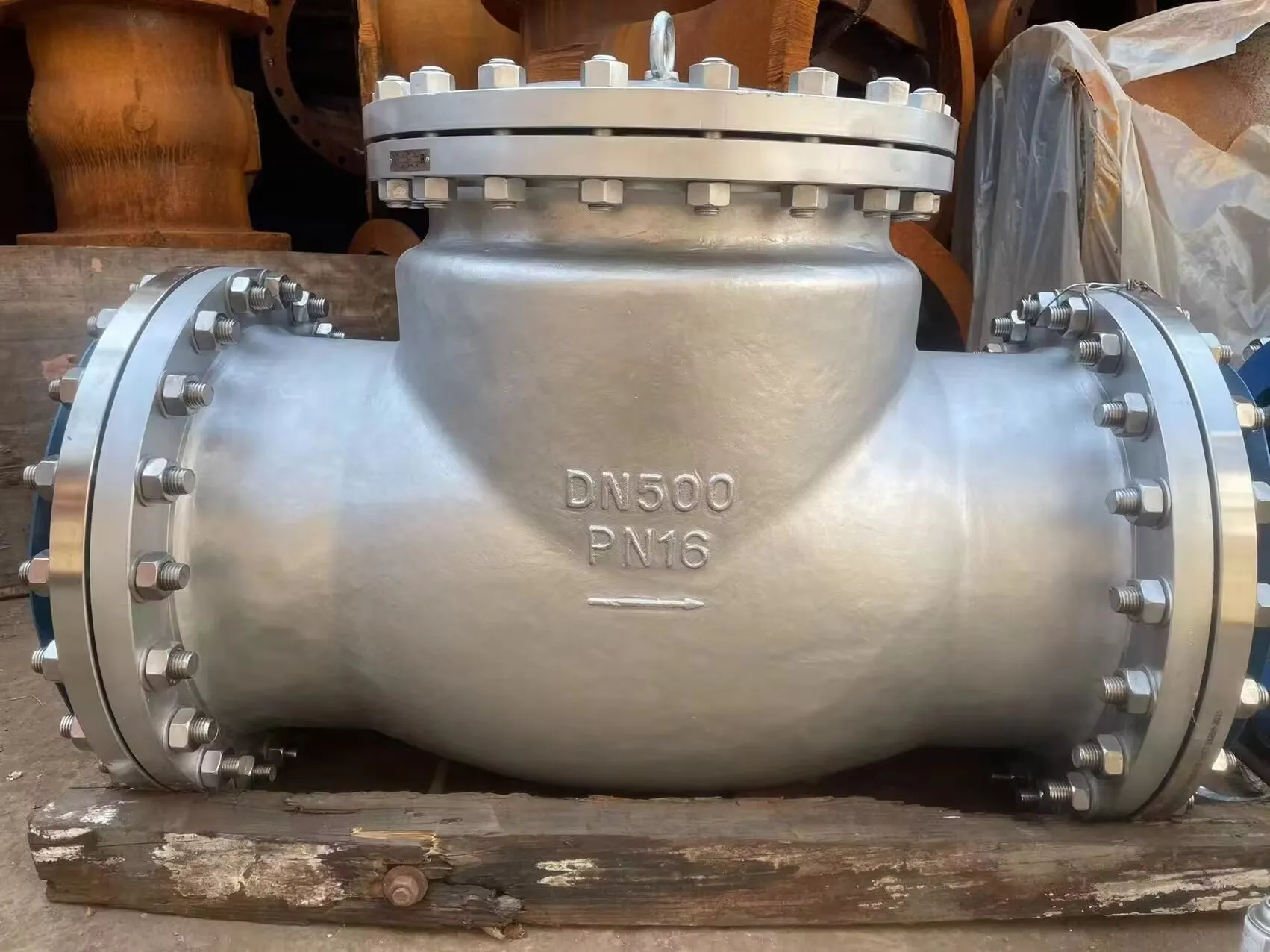
Which Specific Situations are Suitable for Slip On Flange of Different Pressure Levels?
The slip on flange is versatile and can be used in a wide range of applications. For systems operating at low to moderate pressure, such as slip on flange class 150, this flange provides excellent performance and durability. The slip on flange class 150 is typically used in water, oil, and gas distribution systems, where extreme pressure is not a concern but where reliable sealing is still essential.
For higher pressure environments, different pressure classes are available to accommodate the increased demands. However, it’s essential to match the flange pressure rating to the system’s operating conditions to ensure safety and longevity. By selecting the correct pressure rating, the slip on flange can perform optimally in both low and high-pressure systems.
How to Ensure the Correct Installation of Slip On Flange to Avoid Leakage
Ensuring the proper installation of a slip on flange is crucial for avoiding potential leaks and ensuring the system’s integrity. One of the main advantages of the slip on flange is its ease of installation; however, proper alignment and preparation are necessary to prevent issues during operation.
Before welding, it’s essential to ensure that the flange is correctly positioned and aligned with the pipe. Once the slip on flange has been slid over the pipe, the pipe should protrude slightly beyond the flange face, allowing room for a weld. A fillet weld is typically applied to both the inside and outside of the flange to secure it in place and create a reliable seal.
Welding plays a significant role in the integrity of the flange connection. If welding is not done properly, there is a higher risk of leakage or even failure in the system. Proper welding techniques, including applying the correct heat and materials, are essential to ensure the durability of the connection.
Slip On Flange Welding Details
One of the key factors that determine the performance of a slip on flange is the welding process. To create a secure and leak-free connection, the welding process must be handled carefully and with precision. For slip on flange welding details, the installation requires both an inner and an outer weld.
The inner weld is a fillet weld on the inside edge of the flange, which connects the pipe to the flange. This creates a seal and helps secure the flange in position. The outer weld, also a fillet weld, is applied to the outside edge of the flange, further reinforcing the connection. By combining both welds, the slip on flange becomes securely attached to the pipe, providing strength and stability.
To ensure that the flange connection remains leak-proof, the welding process must be performed under the correct conditions. The materials used for welding should be compatible with the pipe and flange materials to avoid weakening the connection. Proper heat application is also critical to prevent warping or compromising the flange's structure.
Slip On Flange Body Material: Gray Cast Iron/Ductile Iron Benefits
The material of the slip on flange plays a significant role in its overall durability and performance. Gray cast iron and ductile iron are two common materials used for slip on flange construction, each offering unique benefits depending on the application.
Gray cast iron provides excellent machinability and resistance to wear, making it a suitable choice for lower pressure systems. Its cost-effectiveness makes it an ideal option for applications where the demands on the flange are not extreme. However, for higher pressure systems, ductile iron is often preferred. Ductile iron offers greater strength and flexibility, which makes it capable of handling higher pressure levels and more demanding conditions without the risk of cracking.
By selecting the appropriate material, users can ensure that their slip on flange will perform reliably under the required operating conditions, whether that be low pressure with gray cast iron or higher pressure with ductile iron.
Affordable and Reliable: Slip On Flange Price
One of the major advantages of the slip on flange is its cost-effectiveness. Compared to other flange types, slip on flange price is relatively low, making it a budget-friendly option for many industries. This makes it an attractive choice for large-scale projects where multiple flanges are needed, and keeping costs manageable is crucial.
The slip on flange also offers excellent value in terms of durability and ease of maintenance, meaning that over time, it can help reduce repair and replacement costs. Its low price combined with high performance makes it a smart investment for long-term projects.
In conclusion, the slip on flange remains a reliable, durable, and cost-effective option for various industrial applications. Its versatility in handling different pressure levels, ease of installation, and the strength provided by proper welding techniques make it an essential component in many piping systems.
-
Comprehensive Guide to China Pipe Laterals Fittings for Global Trade ApplicationsНовиниFeb.24,2026
-
China Extended Body Gate Valves A Comprehensive Guide To Selection And ApplicationНовиниFeb.11,2026
-
Comprehensive Guide to China 3 Inch Butterfly Valve Selection and ApplicationsНовиниJan.30,2026
-
Comprehensive Guide to Pipe Adaptors and Fittings for Efficient SystemsНовиниJan.28,2026
-
Comprehensive Guide to Pipe T Fittings for Plumbing and Fluid Transfer SystemsНовиниJan.28,2026
-
Comprehensive Guide to Union Pipe Fitting Selection and ApplicationsНовиниJan.27,2026
-
Comprehensive Guide to China Angle Globe Valves for Industrial ApplicationsНовиниJan.27,2026
 Bulgarian
 Afrikaans
  Albanian
  Amharic
  Arabic
  Armenian
  Azerbaijani
  Basque
  Belarusian
  Bengali
  Bosnian
  Catalan
  Cebuano
  Croatian
  Czech
Czech  Danish
  Dutch
Dutch  English Esperanto
  Estonian
  Finnish
  French
  Frisian
  Galician
  Georgian
  German
  Greek
Greek  Gujarati
  Hebrew
  Hindi
Hindi  Hungarian
  Icelandic
  Indonesian
  Italian
  Japanese
  Kannada
  Kazakh
  Khmer
Khmer  Korean
  Kurdish
  Lao
Lao  Latvian
  Lithuanian
  Macedonian
  Malay
Malay  Malayalam
  Marathi
  Mongolian
  Myanmar
  Nepali
  Norwegian
  Pashto
  Persian
  Polish
  Portuguese
  Panjabi
  Romanian
  Russian
  Scottish Gaelic
  Serbian
  Sinhala
  Slovak
  Slovenian
  Spanish
  Swahili
  Swedish
  Tagalog
  Tamil
Tamil  Tatar
Tatar  Telugu
  Thai
Thai  Turkish
  Ukrainian
  Urdu
Urdu  Uighur
  Uzbek
Uzbek  Vietnamese
  Welsh
Welsh