 86-312-8695888
 86-13722963501
 info@hbysindustry.com
-
 afrikano
-
 albana
-
 Amhara
-
 la araba
-
 la armena
-
 Azerbajĝana
-
 eŭska
eŭska
-
 Belarusian
-
 bengala
-
 bosnia
-
 bulgaro
-
 kataluna
-
 Cebuano
-
 korsika
-
 kroata
-
 ĉeĥa
ĉeĥa
-
 dana
dana
-
 nederlanda
-
 la angla
-
 Esperanto
-
 estona
-
 finna
finna
-
 franca
-
 frisa
frisa
-
 galego
-
 kartvela
-
 germana
-
 greka
greka
-
 Gujaratio
-
 Haitian Creole
-
 hausa
hausa
-
 havajano
-
 la hebrea
-
 Ne
Ne
-
 Miao
Miao
-
 hungara
-
 islanda
-
 igbo
igbo
-
 indonezia
-
 irlandano
-
 itala
itala
-
 Japanoj
-
 la javano
-
 Kannada
-
 kazaĥo
-
 ĥmeroj
-
 Ruando
-
 korea
korea
-
 kurda
kurda
-
 Kirgizoj
-
 TB
TB
-
 la latina
-
 latva
latva
-
 litova
-
 luksemburga
-
 makedona
-
 Malgashi
-
 malaja
-
 la malajala
-
 malta
malta
-
 maoria
-
 Maratio
-
 mongola
-
 Mjanmao
-
 nepala
-
 norvega
-
 norvega
-
 okcitana
-
 Paŝto
Paŝto
-
 la persa
-
 pola
pola
-
 portugala
-
 panĝaba
-
 rumana
-
 rusa
rusa
-
 samoano
-
 Skotgaela
-
 serba
serba
-
 la angla
-
 Ŝona
Ŝona
-
 Sinda
Sinda
-
 Sinhala
-
 la slovaka
-
 sloveno
-
 Somalo
-
 hispana
-
 Sundanese
-
 Svahila
-
 sveda
sveda
-
 la tagaloga
-
 taĝiko
-
 la tamila
-
 tataro
-
 la telugua
-
 tajlanda
-
 Turka
Turka
-
 turkmenoj
-
 ukraina
-
 Urdu
Urdu
-
 ujgura
-
 uzbeko
-
 vjetnama
-
 kimra lingvo
-
 Helpu
Helpu
-
 jida
jida
-
 joruboj
-
 la zulua


Gate Valve: an Important Fluid Control Device
Gate valve, As a widely used fluid control equipment in pipeline systems, it plays a crucial role in many fields such as petroleum, chemical, power, and water treatment due to its unique design and reliable performance. It controls the fluid flow in the pipeline by opening and closing the gate to achieve the purpose of cutting off or fully opening. This article will explore the structural characteristics, working principles, application advantages, and important position of gate valves in modern industry.
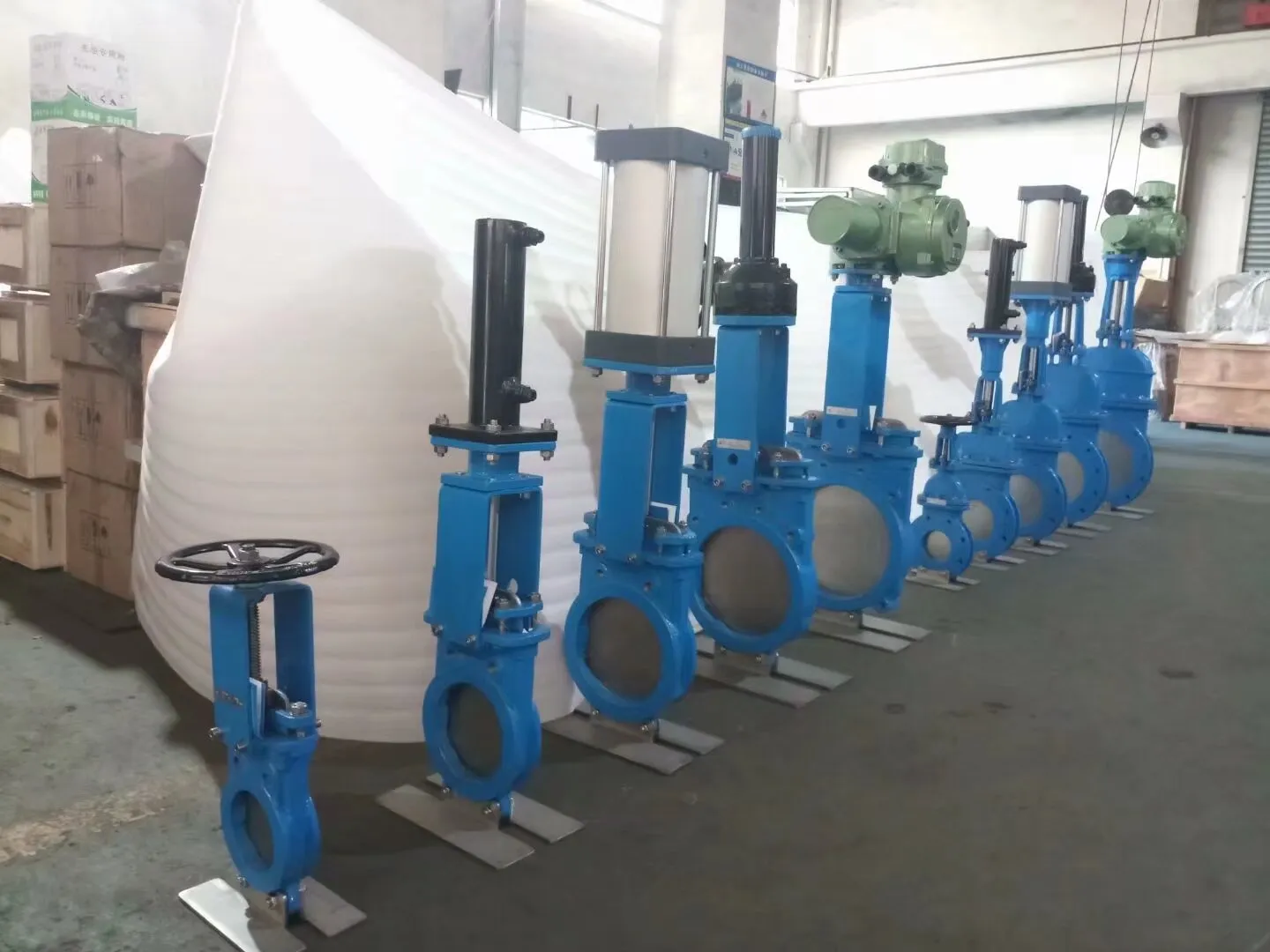
The structure of a gate valve usually includes components such as the valve body, valve cover, valve stem, gate (or disc), valve seat, and connecting flange
The core component of the 1 flanged gate valve is the gate plate, which moves perpendicular to the fluid direction and achieves sealing by tightly fitting with the valve seat. There are various design forms for gate plates, commonly including parallel gate plates and wedge gate plates. The parallel gate structure is simple and suitable for low-pressure environments; Wedge gate has better sealing performance and is suitable for high-pressure environments. The valve stem is responsible for transmitting driving force, and by rotating the valve stem, it drives the gate to move up and down, thereby controlling the opening and closing state of the valve.
The working principle of gate valve is relatively simple
When it is necessary to close the valve, rotate the valve stem and push the gate down until the gate is fully inserted into the valve seat, blocking fluid flow. On the contrary, when it is necessary to open the valve, rotate the valve stem, lift the gate, and completely remove the gate from the fluid channel, achieving full passage of the pipeline. It is worth noting that the 3 gate valve flanged is usually only used in the fully open or fully closed state and should not be used to regulate flow. Partial opening can cause erosion and wear of the gate and valve seat, affecting sealing performance and even shortening the service life of the valve.
The application advantages of gate valve are mainly reflected in the following aspects
Firstly, it has lower fluid resistance. In the fully open state, fluid can pass through the valve almost unobstructed, reducing pipeline pressure loss. Secondly, the sealing performance of the flange end gate valve is excellent. Especially the wedge-shaped gate structure, through the self tightening effect of the wedge-shaped surface, can achieve more reliable sealing effect and prevent medium leakage. Again, gate valves are suitable for various media, including water, steam, oil, gas, etc. By selecting different valve bodies and sealing materials, it is possible to meet the corrosion and temperature requirements of different media.
The gate valve also has some limitations
Due to the long travel required for the gate, its opening and closing time is relatively long. In addition, the volume of flanged gate valves is usually large and requires high installation space. Moreover, as mentioned earlier, gate valves should not be used to regulate flow, otherwise it will accelerate valve wear.
In summary, gate valves, as an important fluid control device, play a crucial role in modern industry due to their simple structure, reliable sealing, and low fluid resistance. Despite some limitations, through continuous technological innovation and optimized design, the performance of gate valves will be further improved and their application areas will become more extensive. Therefore, a deep understanding of the structural characteristics, working principles, and application advantages of gate valves is of great significance for ensuring the stable operation of industrial production.
Gate Valve FAQs
What is a gate valve?
Gate valve is a type of valve used to control fluid flow, which opens or closes the flow channel by lifting or lowering the gate. The gate usually moves perpendicular to the direction of fluid flow, suitable for fully open or fully closed operations, and not suitable for regulating flow.
What are the main advantages of gate valve?
Low flow resistance: When the gate valve is fully opened, the flow channel is straight and the fluid resistance is low.
Good sealing performance: In the closed state, the gate valve can provide good sealing performance.
Suitable for high-pressure and high-temperature environments: The gate valve has a sturdy structure and is suitable for high-pressure and high-temperature working conditions.
What are the drawbacks of gate valves?
Not suitable for regulating flow: The design of gate valve is mainly used for fully open or fully closed, and it is prone to vibration and wear when partially opened.
Slow opening and closing speed: The opening and closing of the gate valve takes a long time and is not suitable for situations that require quick operation.
Larger volume: Compared to other types of valves, gate valves have a more complex structure and larger volume.
What are the main application areas of gate valves?
Gate valves are widely used in the following fields:
Oil and gas industry: used for fluid control in pipelines.
Water treatment system: used for water supply and drainage systems.
Chemical industry: used for controlling corrosive media.
Electric power industry: used in boilers and steam systems.
What are the common types of gate valves?
According to the structure of the gate, gate valves are mainly divided into the following types:
Parallel gate valve: The gate is a parallel structure, with the sealing surface parallel to the direction of fluid flow.
Wedge gate valve: The gate is a wedge-shaped structure with a sealing surface at a certain angle, providing better sealing performance.
Elastic gate valve: The gate has elasticity and can adapt to certain deformations, resulting in better sealing performance.
-
Comprehensive Guide to China Pipe Laterals Fittings for Global Trade ApplicationsNovaĵojFeb.24,2026
-
China Extended Body Gate Valves A Comprehensive Guide To Selection And ApplicationNovaĵojFeb.11,2026
-
Comprehensive Guide to China 3 Inch Butterfly Valve Selection and ApplicationsNovaĵojJan.30,2026
-
Comprehensive Guide to Pipe Adaptors and Fittings for Efficient SystemsNovaĵojJan.28,2026
-
Comprehensive Guide to Pipe T Fittings for Plumbing and Fluid Transfer SystemsNovaĵojJan.28,2026
-
Comprehensive Guide to Union Pipe Fitting Selection and ApplicationsNovaĵojJan.27,2026
-
Comprehensive Guide to China Angle Globe Valves for Industrial ApplicationsNovaĵojJan.27,2026
 Afrikaans
  Albanian
  Amharic
  Arabic
  Armenian
  Azerbaijani
  Basque
  Belarusian
  Bengali
  Bosnian
  Bulgarian
  Catalan
  Cebuano
  Croatian
  Czech
Czech  Danish
  Dutch
Dutch  English
  Estonian
  Finnish
  French
  Frisian
  Galician
  Georgian
  German
  Greek
Greek  Gujarati
  Hebrew
  Hindi
Hindi  Hungarian
  Icelandic
  Indonesian
  Italian
  Japanese
  Kannada
  Kazakh
  Khmer
Khmer  Korean
  Kurdish
  Lao
Lao  Latvian
  Lithuanian
  Macedonian
  Malay
Malay  Malayalam
  Marathi
  Mongolian
  Myanmar
  Nepali
  Norwegian
  Pashto
  Persian
  Polish
  Portuguese
  Panjabi
  Romanian
  Russian
  Scottish Gaelic
  Serbian
  Sinhala
  Slovak
  Slovenian
  Spanish
  Swahili
  Swedish
  Tagalog
  Tamil
Tamil  Tatar
Tatar  Telugu
  Thai
Thai  Turkish
  Ukrainian
  Urdu
Urdu  Uighur
  Uzbek
Uzbek  Vietnamese
  Welsh
Welsh