 86-312-8695888
 86-13722963501
 info@hbysindustry.com
-
 آفریقایی
-
 آلبانیایی
-
 آمهری
آمهری
-
 عربی
عربی
-
 ارمنی
ارمنی
-
 آذربایجانی
-
 باسکی
باسکی
-
 بلاروسی
-
 بنگالی
-
 بوسنیایی
-
 بلغاری
-
 کاتالان
-
 سبوانو
-
 کورسی
کورسی
-
 کروات
کروات
-
 کشور چک
-
 دانمارکی
-
 هلندی
هلندی
-
 انگلیسی
-
 اسپرانتو
-
 استونیایی
-
 فنلاندی
-
 فرانسوی
-
 فریزی
فریزی
-
 گالیسیایی
-
 گرجی
گرجی
-
 آلمانی
-
 یونانی
-
 گجراتی
-
 کریول هائیتی
-
 هاوسا
هاوسا
-
 هاوایی
-
 عبری
عبری
-
 جواب منفی
-
 میائو
میائو
-
 مجارستانی
-
 ایسلندی
-
 igbo
igbo
-
 اندونزیایی
-
 ایرلندی
-
 ایتالیایی
-
 ژاپنی
ژاپنی
-
 جاوه ای
-
 کانادا
-
 قزاقی
قزاقی
-
 خمر
خمر
-
 رواندا
-
 کره ای
-
 کردی
کردی
-
 قرقیزستان
-
 سل
سل
-
 لاتین
لاتین
-
 لتونی
لتونی
-
 لیتوانیایی
-
 لوگزامبورگی
-
 مقدونی
-
 مالگاشی
-
 مالایی
-
 مالایایی
-
 مالتی
مالتی
-
 مائوری
-
 مراتی
مراتی
-
 مغولی
مغولی
-
 میانمار
-
 نپالی
نپالی
-
 نروژی
نروژی
-
 نروژی
نروژی
-
 اکسیتان
-
 پشتو
پشتو
-
 فارسی
فارسی
-
 لهستانی
-
 پرتغالی
-
 پنجابی
-
 رومانیایی
-
 روسی
روسی
-
 ساموآ
ساموآ
-
 گیلیک اسکاتلندی
-
 صربی
صربی
-
 انگلیسی
-
 شونا
شونا
-
 سندی
سندی
-
 سینهالی
-
 اسلواکی
-
 اسلوونیایی
-
 سومالی
-
 اسپانیایی
-
 ساندانی
-
 سواحیلی
-
 سوئدی
سوئدی
-
 تاگالوگ
-
 تاجیک
تاجیک
-
 تامیل
تامیل
-
 تاتاری
-
 تلوگو
تلوگو
-
 تایلندی
-
 ترکی
ترکی
-
 ترکمن
ترکمن
-
 اوکراینی
-
 اردو
اردو
-
 اویغور
-
 ازبکستان
-
 ویتنامی
-
 ولز
ولز
-
 کمک
کمک
-
 ییدیش
ییدیش
-
 یوروبا
-
 زولو
زولو


Comprehensive Guide to Union Pipe Fitting Selection and Applications
Union Pipe Fitting: A Comprehensive Guide
In the world of plumbing and fluid transfer systems, union pipe fittings are indispensable components. These fittings provide a convenient and reliable way to connect pipes, allowing for easy disassembly and maintenance. This article delves into the functionality, types, applications, and selection criteria for union pipe fittings, offering a thorough understanding for professionals and DIY enthusiasts alike. Understanding the nuances of these fittings is crucial for ensuring the longevity and efficiency of any piping system.
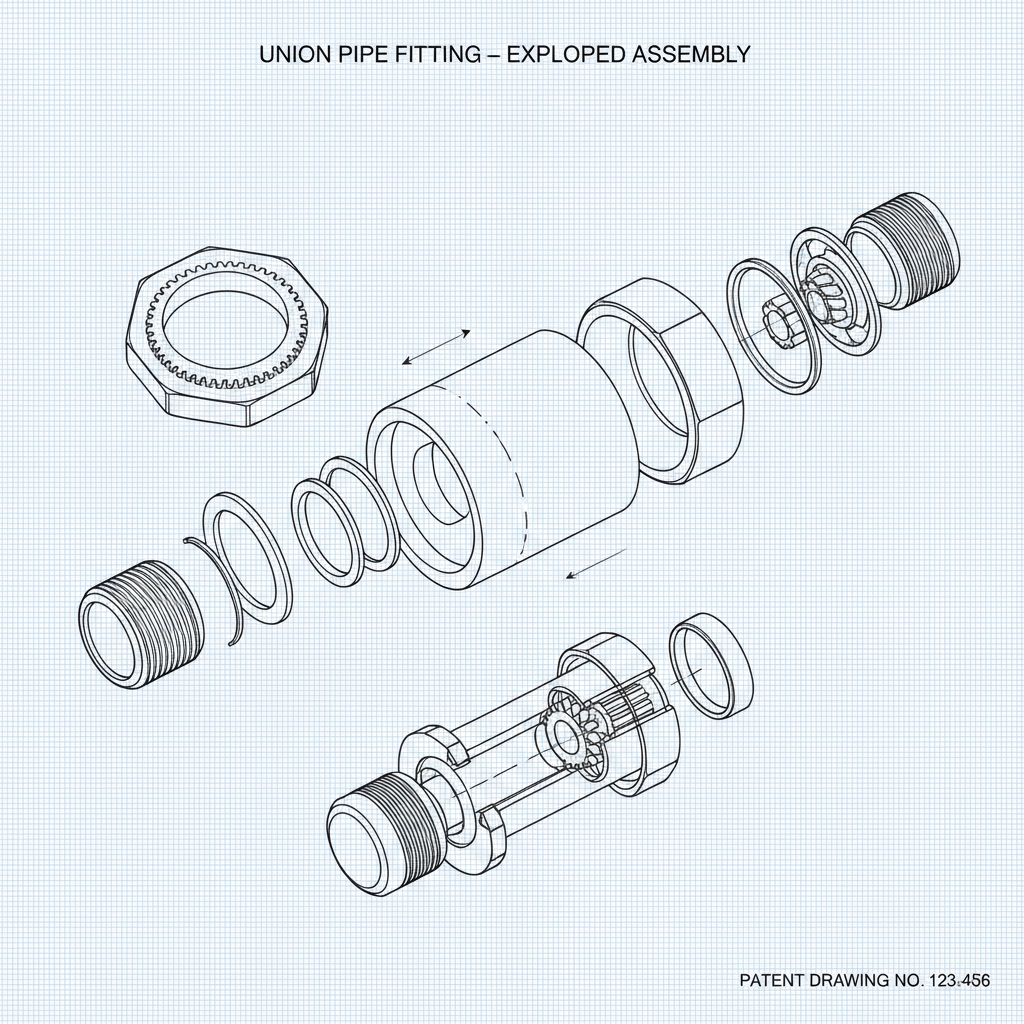
What is a Union Pipe Fitting?
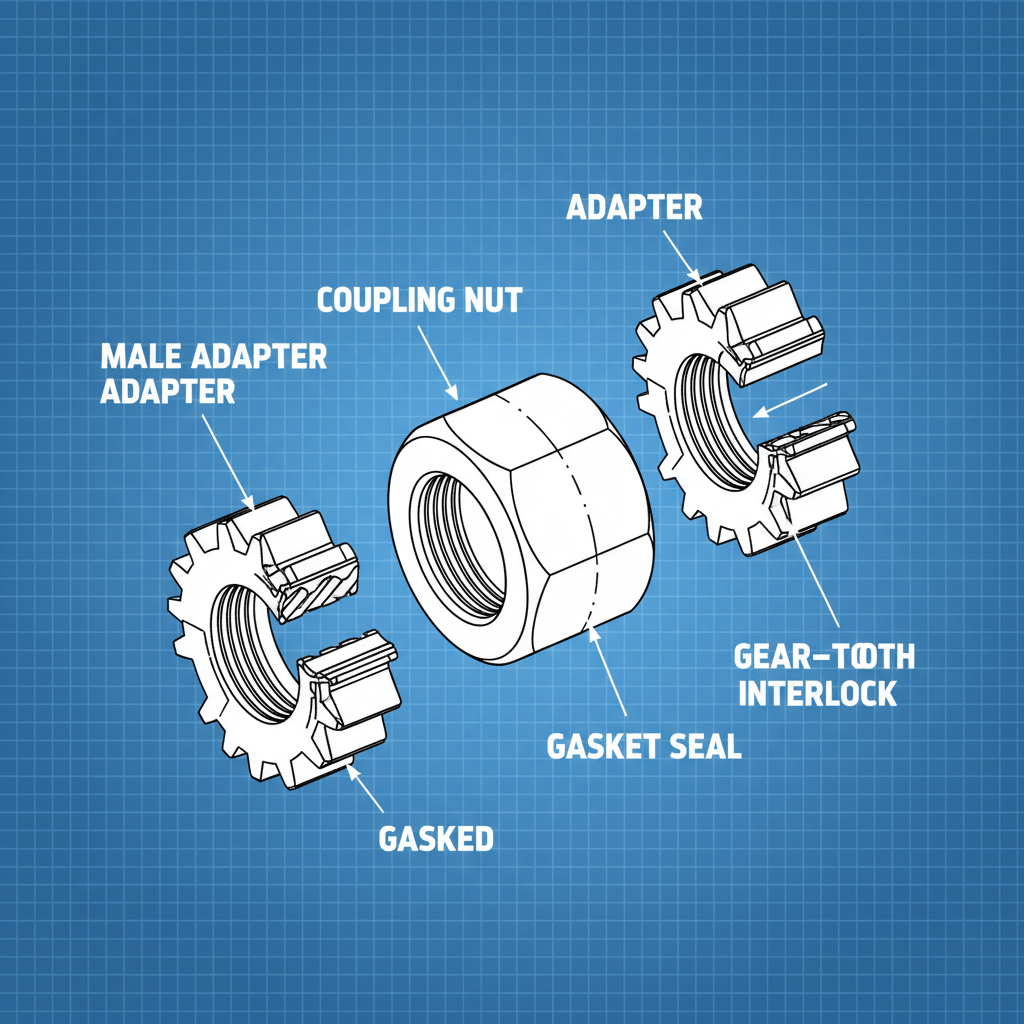
A union pipe fitting is a connection between two pipes that allows for easy connection and disconnection without rotating the pipes themselves. This is particularly useful in situations where frequent maintenance, inspection, or replacement of pipe sections is required. Unlike threaded connections, unions don’t require full pipe rotation for disassembly, saving time and effort. A typical union consists of three main parts: the union nut, the union body, and the union end. The union nut tightens onto the body, compressing the end pieces onto the pipes, creating a leak-proof seal. They are available in a variety of materials, including brass, stainless steel, carbon steel, and PVC, to suit different applications and fluid types. HBYS Valves offers a comprehensive range of union fittings designed for diverse industrial needs.
Key Benefit: Unions offer the flexibility of easily disconnecting and reconnecting piping systems without disturbing adjacent connections.
Types of Union Pipe Fittings
Several types of union pipe fittings are available, each designed for specific applications. Some common types include:
- Threaded Unions: The most common type, featuring threaded connections on all ends.
- Solder Unions: Used for copper piping systems, requiring soldering for a secure connection.
- Flanged Unions: Employed in larger diameter pipes, utilizing flanges and bolts for assembly.
- Compression Unions: Rely on compression fittings to create a seal, often used with plastic or soft metal tubing.
- Socket Weld Unions: Used for welding steel pipes, providing a strong and permanent connection.
Choosing the right type depends on the pipe material, fluid type, pressure requirements, and accessibility for maintenance.
Union Fitting Type Overview:
• Threaded Unions: Versatile, easy to install and disassemble.
• Solder Unions: Suitable for copper, requires soldering expertise.
• Flanged Unions: For high-pressure, large-diameter applications.
• Compression Unions: Ideal for plastic and soft metal tubing.
Union Pipe Fitting Materials: A Comparison
The material of a union pipe fitting is critical for its performance and longevity. Different materials offer varying levels of corrosion resistance, temperature tolerance, and pressure handling capabilities. Here’s a comparison of common materials:
Applications of Union Pipe Fittings
Union pipe fittings find applications across diverse industries. Common applications include:
- Plumbing Systems: Connecting water pipes, drain lines, and fixtures.
- HVAC Systems: Joining refrigerant lines and condensate drains.
- Industrial Piping: Handling chemicals, oils, and gases in manufacturing plants.
- Fire Sprinkler Systems: Connecting sprinkler heads and supply lines.
- Agricultural Irrigation: Assembling irrigation lines and connecting pumps.
Selecting the Right Union Pipe Fitting
Choosing the appropriate union pipe fitting involves considering several factors:
- Pipe Material: Ensure compatibility between the fitting and the pipe material.
- Fluid Type: Select a material resistant to the fluid being transported.
- Pressure Requirements: Choose a fitting with a pressure rating that exceeds the system’s operating pressure.
- Temperature: Consider the temperature range of the fluid and environment.
- Accessibility: Opt for unions if frequent disassembly is required for maintenance.
Partnering with a reputable supplier like HBYS Valves can ensure you receive high-quality fittings that meet your specific needs.
Conclusion: Optimizing Piping Systems with Union Fittings
Union pipe fittings are crucial components for any piping system requiring flexibility and maintainability. By understanding the different types, materials, and applications, you can select the right fittings to optimize performance, ensure safety, and extend the lifespan of your systems. Investing in high-quality union pipe fittings is a worthwhile investment for any project.
Frequently Asked Questions (FAQs)
What is the best way to seal a union pipe fitting?
Proper sealing is crucial to prevent leaks. For threaded unions, PTFE tape (Teflon tape) should be applied clockwise around the threads before assembly. For solder unions, ensure a clean surface and use appropriate soldering flux. For compression unions, tighten the compression nut securely, but avoid over-tightening. Always check for leaks after installation and re-tighten if necessary. Using the correct sealant and applying it properly are key to a leak-proof connection.
Can union fittings be used with different pipe materials?
While unions can connect different pipe materials, it’s important to use the appropriate union type and material. For instance, a brass union can connect copper and galvanized steel pipes, but a PVC union should only be used with PVC pipes. Dielectric unions are specifically designed to connect dissimilar metals to prevent galvanic corrosion. Always consult with a plumbing professional to ensure compatibility and prevent potential issues.
What are the advantages of using a flanged union?
Flanged unions are ideal for high-pressure, large-diameter piping systems. They offer a secure and robust connection that can withstand significant stress. The bolted flange design allows for easy disassembly and maintenance without requiring pipe rotation. They are particularly well-suited for industrial applications where reliability and durability are paramount.
How often should union pipe fittings be inspected?
Regular inspection is critical to ensure the integrity of union pipe fittings. They should be inspected at least annually, or more frequently in harsh environments or high-stress applications. Check for signs of corrosion, leaks, or damage to the threads, body, or nut. Any damaged fittings should be replaced immediately to prevent potential failures and ensure system safety.
-
Comprehensive Guide to China Pipe Laterals Fittings for Global Trade ApplicationsاخبارFeb.24,2026
-
China Extended Body Gate Valves A Comprehensive Guide To Selection And ApplicationاخبارFeb.11,2026
-
Comprehensive Guide to China 3 Inch Butterfly Valve Selection and ApplicationsاخبارJan.30,2026
-
Comprehensive Guide to Pipe Adaptors and Fittings for Efficient SystemsاخبارJan.28,2026
-
Comprehensive Guide to Pipe T Fittings for Plumbing and Fluid Transfer SystemsاخبارJan.28,2026
-
Comprehensive Guide to China Angle Globe Valves for Industrial ApplicationsاخبارJan.27,2026
-
China 4 Inch Drainage Pipe Fittings: A Buyer's GuideاخبارJan.25,2026
 Persian
 Afrikaans
  Albanian
  Amharic
  Arabic
  Armenian
  Azerbaijani
  Basque
  Belarusian
  Bengali
  Bosnian
  Bulgarian
  Catalan
  Cebuano
  Croatian
  Czech
Czech  Danish
  Dutch
Dutch  English Esperanto
  Estonian
  Finnish
  French
  Frisian
  Galician
  Georgian
  German
  Greek
Greek  Gujarati
  Hebrew
  Hindi
Hindi  Hungarian
  Icelandic
  Indonesian
  Italian
  Japanese
  Kannada
  Kazakh
  Khmer
Khmer  Korean
  Kurdish
  Lao
Lao  Latvian
  Lithuanian
  Macedonian
  Malay
Malay  Malayalam
  Marathi
  Mongolian
  Myanmar
  Nepali
  Norwegian
  Pashto
  Polish
  Portuguese
  Panjabi
  Romanian
  Russian
  Scottish Gaelic
  Serbian
  Sinhala
  Slovak
  Slovenian
  Spanish
  Swahili
  Swedish
  Tagalog
  Tamil
Tamil  Tatar
Tatar  Telugu
  Thai
Thai  Turkish
  Ukrainian
  Urdu
Urdu  Uighur
  Uzbek
Uzbek  Vietnamese
  Welsh
Welsh