 86-312-8695888
 86-13722963501
 info@hbysindustry.com
-
 afrikkalainen
-
 albanialainen
-
 amhara
-
 arabialainen
-
 armenialainen
-
 Azerbaidžani
-
 baski
baski
-
 valkovenäläinen
-
 bengali
-
 bosnialainen
-
 bulgarialainen
-
 katalaani
-
 Cebuano
-
 Korsikalainen
-
 Kroatia
-
 Tšekki
-
 Tanskan kieli
-
 Hollannin kieli
-
 Englanti
-
 esperanto
-
 Virolainen
-
 Suomalainen
-
 Ranskan kieli
-
 friisi
-
 Galicialainen
-
 Georgian
-
 Saksan kieli
-
 kreikkalainen
-
 gudžarati
-
 Haitin kreoli
-
 hausa
hausa
-
 havaijilainen
-
 heprealainen
-
 Ei
Ei
-
 Miao
Miao
-
 Unkarin kieli
-
 islantilainen
-
 igbo
igbo
-
 Indonesialainen
-
 irlantilainen
-
 italialainen
-
 japanilainen
-
 jaavalainen
-
 kannada
-
 kazakki
-
 khmerit
-
 Ruanda
-
 Korealainen
-
 kurdi
kurdi
-
 Kirgisia
-
 TB
TB
-
 Latina
-
 Latvialainen
-
 liettualainen
-
 luxemburgilainen
-
 makedonialainen
-
 Malgashi
-
 malaiji
-
 malajalami
-
 maltalainen
-
 maori
maori
-
 marathi
-
 mongolialainen
-
 Myanmar
-
 Nepali
-
 Norjan kieli
-
 Norjan kieli
-
 Oksitaani
-
 pashto
-
 persialainen
-
 Kiillottaa
-
 Portugalin kieli
-
 Punjabi
-
 romanialainen
-
 Venäjän kieli
-
 samoalainen
-
 Skotlannin gaeli
-
 serbia
-
 Englanti
-
 Shona
Shona
-
 Sindhi
-
 sinhala
-
 Slovakian
-
 slovenialainen
-
 somali
-
 Espanja
-
 sundalainen
-
 swahili
-
 Ruotsin kieli
-
 Tagalog
-
 tadžiki
-
 tamili
-
 tatari
-
 telugu
-
 thaimaalainen
-
 turkkilainen
-
 Turkmenistan
-
 ukrainalainen
-
 urdu
urdu
-
 uiguuri
-
 uzbekki
-
 vietnam
-
 Walesin
-
 auta
auta
-
 jiddish
-
 joruba
-
 zulu
zulu


Electric Actuator Globe Valve | Precise Control & Tight Seal
J941Y-16C: a field note on an Electric Actuator Globe Valve that keeps its promises
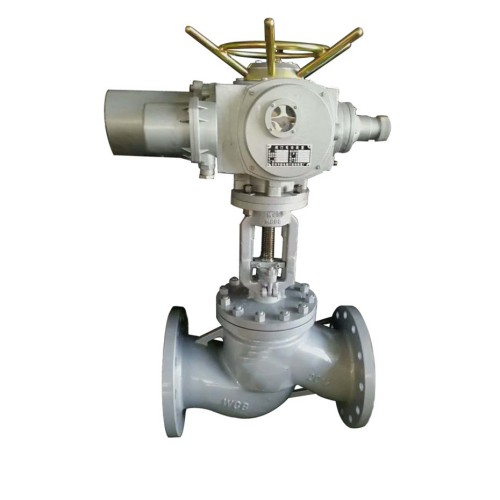
I visited the workshop in North Guzhuangying Village, Ansu Town, Xushui District, Baoding (Hebei, China) a while back—cold morning, warm tea, and a row of freshly painted J941Y-16C bodies catching the light. The premise is simple: a rugged Electric Actuator Globe Valve for water, oil, and steam service, DN50 up to DN1000, with a sensible flange connection and a body in WCB. In fact, it’s built for medium temperatures up to ≤425 °C and pressures from 1.6 to 16.0 MPa. Nothing flashy, but the kind of kit maintenance teams quietly appreciate.
Industry trends (and what people actually buy)
There’s a clear swing toward electrification in isolation and throttling service, driven by safety, lower maintenance, and data. Plants want fewer pneumatics, more digital feedback, and—surprisingly—simpler wiring. The Electric Actuator Globe Valve sits right in that lane: precise positioning, no compressor dependency, and native compatibility with PLC/DCS.
Technical specifications at a glance
| Model | J941Y-16C |
| Size (DN) | DN50–DN1000 |
| Pressure rating | 1.6–16.0 MPa |
| Body material | WCB (cast carbon steel) |
| Medium | Vesi, öljy, höyry |
| Temperature | ≤425 °C |
| Connection | Flange (ASME B16.5 / EN 1092-1 optional) |
| Actuation | Electric, on/off or modulating; handwheel override |
| Mounting | ISO 5211 interface (typical) |
| Seat/trim | 13Cr / SS304 (options: SS316, Stellited) |
How it’s made (short version)
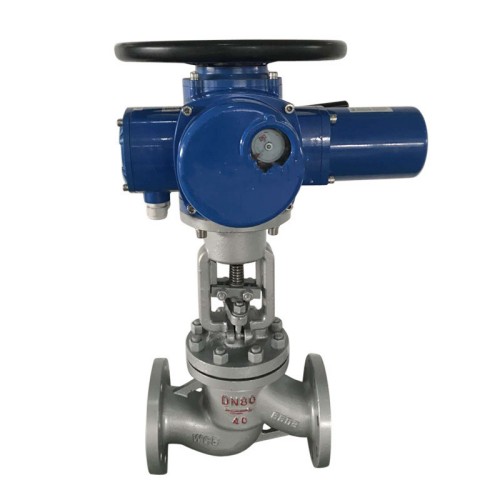
- Materials: WCB body cast to ASME B16.34; trim in 13Cr/SS; graphite packing for heat; Stellited seat optional for steam throttling.
- Methods: precision machining of seat/plug; surface hardening where specified; actuator coupling to ISO 5211; torque verification.
- Testing: shell and seat per API 598 / GB/T 13927; leakage target ≈ Class IV (real-world use may vary); actuator ingress IP65–IP67 (IEC 60529).
- Service life: ≈50,000–100,000 cycles depending on DP, medium cleanliness, and seat hardface.
- Certs (typical on request): ISO 9001 QMS; PED 2014/68/EU; CE marking for actuator; ISO 15848 fugitive emissions options.
Where it fits
Power plants, district heating, chemical transfer, refinery utility lines, and general industrial steam. Operators like the predictable linear characteristic of a Electric Actuator Globe Valve for throttling modest pressure drops without fighting hysteresis.
Advantages: tight shutoff with metal seating, easy retrofit via flanges, no air system required, good position feedback, and frankly—lower total cost of ownership if you’re retiring old pneumatics.
Vendor snapshot (realistic, not hype)
| Vendor | Interface | Test standard | Lead time | Notes |
|---|---|---|---|---|
| HBYS (J941Y-16C) | ISO 5211 | API 598 / GB/T 13927 | ≈3–6 weeks | Broad DN range, steam-friendly trim |
| Vendor A | ISO 5211 | API 598 | ≈6–8 weeks | Strong global support |
| Vendor B | Custom | EN 12266-1 | ≈4–10 weeks | Good for niche alloys |
Customization
Common requests: Stellited plug/seat for erosive steam; SS316 trim for condensate; failsafe with electric spring-return or battery; modulating control (4–20 mA) with local LCD; high-temp packing set; flanges to ASME or EN; painting to ISO 12944 C3–C4.
A quick case
A district heating loop in Hebei swapped 12 manual valves for J941Y-16C units. After commissioning, operators reported smoother ΔT control and, to be honest, fewer late-night callouts. A sample FAT showed shell test at 1.5× rating with no visible leakage; seat test per API 598 passed on first run. Feedback from maintenance: “handwheel override saved us during a brief power blip.” It seems that the simple things still matter.
Origin and contact
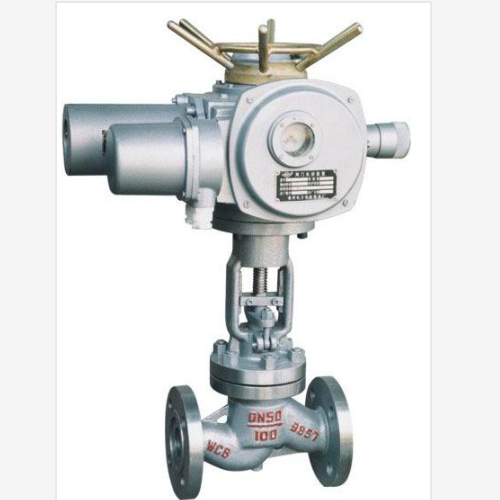
Made in: North Guzhuangying Village, Ansu Town, Xushui District, Baoding City, Hebei Province, China. If you care about traceability (you should), ask for heat numbers and a materials test certificate (MTC 3.1). Most customers do.
Authoritative citations
- ASME B16.34 – Valves: Flanged, Threaded, and Welding End
- API 598 – Valve Inspection and Testing
- IEC 60529 – Degrees of Protection (IP Code)
- ISO 5211 – Industrial valves: Part-turn actuator attachments
- EN 1092-1 – Flanges and their joints
- ISO 15848 – Measurement, test and qualification of fugitive emissions
- PED 2014/68/EU – Pressure Equipment Directive
-
Comprehensive Guide to China Pipe Laterals Fittings for Global Trade ApplicationsUutisetFeb.24,2026
-
China Extended Body Gate Valves A Comprehensive Guide To Selection And ApplicationUutisetFeb.11,2026
-
Comprehensive Guide to China 3 Inch Butterfly Valve Selection and ApplicationsUutisetJan.30,2026
-
Comprehensive Guide to Pipe Adaptors and Fittings for Efficient SystemsUutisetJan.28,2026
-
Comprehensive Guide to Pipe T Fittings for Plumbing and Fluid Transfer SystemsUutisetJan.28,2026
-
Comprehensive Guide to Union Pipe Fitting Selection and ApplicationsUutisetJan.27,2026
-
Comprehensive Guide to China Angle Globe Valves for Industrial ApplicationsUutisetJan.27,2026
 Finnish
 Afrikaans
  Albanian
  Amharic
  Arabic
  Armenian
  Azerbaijani
  Basque
  Belarusian
  Bengali
  Bosnian
  Bulgarian
  Catalan
  Cebuano
  Croatian
  Czech
Czech  Danish
  Dutch
Dutch  English Esperanto
  Estonian
  French
  Frisian
  Galician
  Georgian
  German
  Greek
Greek  Gujarati
  Hebrew
  Hindi
Hindi  Hungarian
  Icelandic
  Indonesian
  Italian
  Japanese
  Kannada
  Kazakh
  Khmer
Khmer  Korean
  Kurdish
  Lao
Lao  Latvian
  Lithuanian
  Macedonian
  Malay
Malay  Malayalam
  Marathi
  Mongolian
  Myanmar
  Nepali
  Norwegian
  Pashto
  Persian
  Polish
  Portuguese
  Panjabi
  Romanian
  Russian
  Scottish Gaelic
  Serbian
  Sinhala
  Slovak
  Slovenian
  Spanish
  Swahili
  Swedish
  Tagalog
  Tamil
Tamil  Tatar
Tatar  Telugu
  Thai
Thai  Turkish
  Ukrainian
  Urdu
Urdu  Uighur
  Uzbek
Uzbek  Vietnamese
  Welsh
Welsh