 86-312-8695888
 86-13722963501
 info@hbysindustry.com
-
 afrikkalainen
-
 albanialainen
-
 amhara
-
 arabialainen
-
 armenialainen
-
 Azerbaidžani
-
 baski
baski
-
 valkovenäläinen
-
 bengali
-
 bosnialainen
-
 bulgarialainen
-
 katalaani
-
 Cebuano
-
 Korsikalainen
-
 Kroatia
-
 Tšekki
-
 Tanskan kieli
-
 Hollannin kieli
-
 Englanti
-
 esperanto
-
 Virolainen
-
 Suomalainen
-
 Ranskan kieli
-
 friisi
-
 Galicialainen
-
 Georgian
-
 Saksan kieli
-
 kreikkalainen
-
 gudžarati
-
 Haitin kreoli
-
 hausa
hausa
-
 havaijilainen
-
 heprealainen
-
 Ei
Ei
-
 Miao
Miao
-
 Unkarin kieli
-
 islantilainen
-
 igbo
igbo
-
 Indonesialainen
-
 irlantilainen
-
 italialainen
-
 japanilainen
-
 jaavalainen
-
 kannada
-
 kazakki
-
 khmerit
-
 Ruanda
-
 Korealainen
-
 kurdi
kurdi
-
 Kirgisia
-
 TB
TB
-
 Latina
-
 Latvialainen
-
 liettualainen
-
 luxemburgilainen
-
 makedonialainen
-
 Malgashi
-
 malaiji
-
 malajalami
-
 maltalainen
-
 maori
maori
-
 marathi
-
 mongolialainen
-
 Myanmar
-
 Nepali
-
 Norjan kieli
-
 Norjan kieli
-
 Oksitaani
-
 pashto
-
 persialainen
-
 Kiillottaa
-
 Portugalin kieli
-
 Punjabi
-
 romanialainen
-
 Venäjän kieli
-
 samoalainen
-
 Skotlannin gaeli
-
 serbia
-
 Englanti
-
 Shona
Shona
-
 Sindhi
-
 sinhala
-
 Slovakian
-
 slovenialainen
-
 somali
-
 Espanja
-
 sundalainen
-
 swahili
-
 Ruotsin kieli
-
 Tagalog
-
 tadžiki
-
 tamili
-
 tatari
-
 telugu
-
 thaimaalainen
-
 turkkilainen
-
 Turkmenistan
-
 ukrainalainen
-
 urdu
urdu
-
 uiguuri
-
 uzbekki
-
 vietnam
-
 Walesin
-
 auta
auta
-
 jiddish
-
 joruba
-
 zulu
zulu


Reliable Flow Control Begins with a High-Performance Flange Butterfly Valve
In today’s industrial pipeline systems, precision, efficiency, and cost-effectiveness define the success of any fluid control solution. Whether you’re designing a water treatment plant or managing large-scale HVAC networks, the flange butterfly valve emerges as a front-runner—offering simple structure, strong sealing, and effortless operation. With its robust flange connection and wide range of sizes and materials, this valve has become an indispensable component across municipal, industrial, and commercial sectors.
Preventing Excessive Installation Torque: Safeguarding Your Flange Butterfly Valve
One of the common yet overlooked issues during the assembly process is applying excessive torque during flange tightening. The flange butterfly valve features a disc that rotates inside the body to regulate or isolate flow. If flange bolts are overtightened during installation, it can cause mechanical distortion of the valve body. This distortion affects the centering of the valve plate and increases friction between the disc and the liner, eventually leading to restricted movement, premature wear, or total valve failure.
To prevent these issues, experienced engineers recommend using a calibrated torque wrench and adhering to a criss-cross tightening pattern. Gradually increasing torque in multiple stages helps distribute pressure evenly around the valve body. Furthermore, ensuring that the pipeline flanges are parallel and aligned prevents unnecessary stress on the valve housing. When installed correctly, the double flanged butterfly valve offers long-term stability, even in high-pressure or high-temperature applications.
Solutions for Valve Plate Jamming in a Double Flanged Butterfly Valve
Valve plate jamming is a critical concern that can disrupt operations and compromise system safety. This typically occurs when the disc is not centered properly or when debris lodges between the valve plate and the seat. In the case of a double flanged butterfly valve, which features flanges on both ends for secure bolting between pipe sections, precise disc alignment is key to uninterrupted rotation.
To address this, manufacturers design valve seats with self-lubricating materials like EPDM, NBR, or PTFE to reduce wear and facilitate smoother disc movement. Another solution is to opt for a valve with a polished or coated disc, which minimizes surface roughness and reduces the likelihood of friction-induced jamming.
Routine cleaning of the pipeline prior to installation, as well as flushing the system before first use, significantly lowers the risk of internal blockages. For systems operating in slurry, sewage, or heavily contaminated media, the 4 flanged butterfly valve version—with increased durability and tighter disc-to-seat tolerances—proves to be especially effective.
Flange Butterfly Valve vs. Gate Valve: A Cost and Performance Showdown
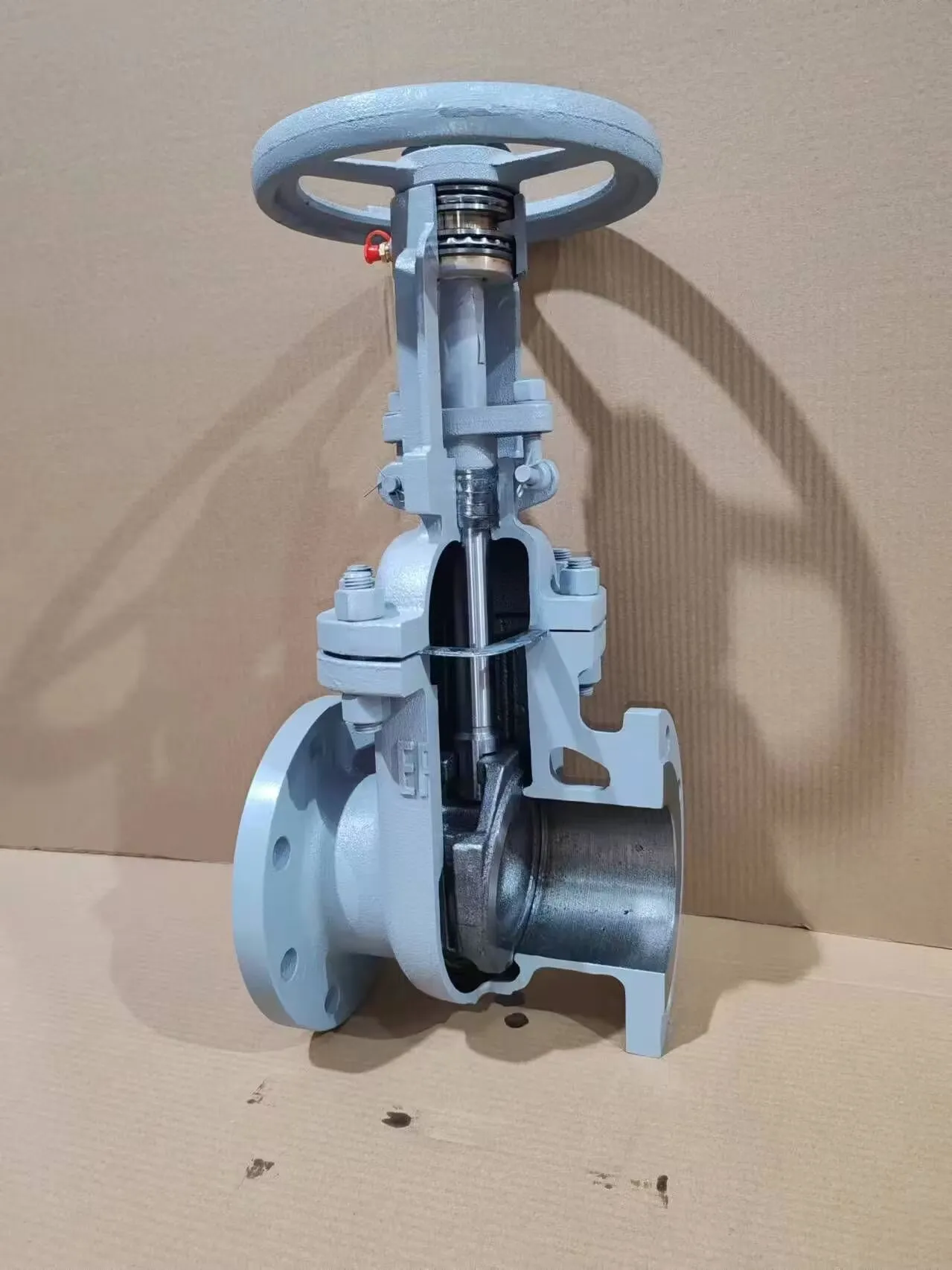
When choosing between a flange butterfly valve and a traditional gate valve, both performance and price must be considered. Gate valves operate using linear motion, raising or lowering a wedge-shaped gate to control flow. While effective in full-open or full-closed positions, they tend to be bulky, slow-operating, and expensive due to their larger bodies and internal parts.
In contrast, the flange butterfly valve offers a quarter-turn operation, allowing for fast and easy opening or closing. Its streamlined design and lighter body translate into easier installation and reduced support needs. These valves require less maintenance and have a lower torque demand, making them ideal for automated systems.
From a cost perspective, the flange butterfly valve consistently delivers greater value. Not only is the initial purchase price generally lower than that of a gate valve, but the lifetime operational cost is also significantly reduced. The double flanged butterfly valve, with its reinforced structure and double-sided flange connection, enhances sealing and simplifies mounting, particularly in high-pressure or high-vibration installations.
For medium and large diameters, especially 100mm and above, the 4 flanged butterfly valve provides a more economical and space-saving alternative to bulky gate valves. Whether in wastewater systems, fire protection loops, or chemical distribution networks, this valve type is the smart choice for engineers looking to balance performance and affordability.
Performance Benefits of the 4 Flanged Butterfly Valve in Large-Diameter Systems
When it comes to high-flow or high-pressure environments, size and structure matter. The 4 flanged butterfly valve, designed for pipelines with a nominal diameter of 4 inches (DN100), is a highly sought-after component for large industrial networks. It offers the advantages of bidirectional sealing, compact build, and low pressure drop—all within a flanged connection that guarantees robust system integration.
Thanks to modern casting and machining techniques, manufacturers now offer 4 flanged butterfly valve options made from ductile iron, stainless steel, and even corrosion-resistant alloys. These options are ideal for aggressive or corrosive media such as seawater, wastewater, and chemicals.
Additionally, modern valve designs integrate stem blowout protection, ISO 5211 mounting pads for actuator compatibility, and replaceable seats—all of which extend the lifespan of the flange butterfly valve while minimizing repair costs. This makes them a top choice for industries that prioritize safety and performance, such as oil and gas, energy, marine, and chemical processing.
Flange Butterfly Valve FAQs
What happens if too much torque is used during flange butterfly valve installation?
Over-torquing can distort the valve body, misalign the disc, and cause excessive friction or damage to the valve liner, leading to leakage or jamming.
How can I prevent valve plate jamming in a double flanged butterfly valve?
Ensure correct alignment during installation, clean the pipeline beforehand, and choose a valve with a polished or coated disc. Using self-lubricating seat materials also helps.
Is a flange butterfly valve better than a gate valve for automated systems?
Yes. The quarter-turn operation, smaller footprint, and lower torque requirement make flange butterfly valves more suitable for automation and control applications.
What industries use the 4 flanged butterfly valve the most?
It’s widely used in water treatment, power generation, chemical processing, and HVAC systems—especially where compact design and high flow rates are required.
Why choose a double flanged butterfly valve instead of a wafer type?
A double flanged butterfly valve provides a more secure and stable connection, ideal for larger pipe diameters and systems with vibration or pressure fluctuations.
-
Comprehensive Guide to China Pipe Laterals Fittings for Global Trade ApplicationsUutisetFeb.24,2026
-
China Extended Body Gate Valves A Comprehensive Guide To Selection And ApplicationUutisetFeb.11,2026
-
Comprehensive Guide to China 3 Inch Butterfly Valve Selection and ApplicationsUutisetJan.30,2026
-
Comprehensive Guide to Pipe Adaptors and Fittings for Efficient SystemsUutisetJan.28,2026
-
Comprehensive Guide to Pipe T Fittings for Plumbing and Fluid Transfer SystemsUutisetJan.28,2026
-
Comprehensive Guide to Union Pipe Fitting Selection and ApplicationsUutisetJan.27,2026
-
Comprehensive Guide to China Angle Globe Valves for Industrial ApplicationsUutisetJan.27,2026
 Finnish
 Afrikaans
  Albanian
  Amharic
  Arabic
  Armenian
  Azerbaijani
  Basque
  Belarusian
  Bengali
  Bosnian
  Bulgarian
  Catalan
  Cebuano
  Croatian
  Czech
Czech  Danish
  Dutch
Dutch  English Esperanto
  Estonian
  French
  Frisian
  Galician
  Georgian
  German
  Greek
Greek  Gujarati
  Hebrew
  Hindi
Hindi  Hungarian
  Icelandic
  Indonesian
  Italian
  Japanese
  Kannada
  Kazakh
  Khmer
Khmer  Korean
  Kurdish
  Lao
Lao  Latvian
  Lithuanian
  Macedonian
  Malay
Malay  Malayalam
  Marathi
  Mongolian
  Myanmar
  Nepali
  Norwegian
  Pashto
  Persian
  Polish
  Portuguese
  Panjabi
  Romanian
  Russian
  Scottish Gaelic
  Serbian
  Sinhala
  Slovak
  Slovenian
  Spanish
  Swahili
  Swedish
  Tagalog
  Tamil
Tamil  Tatar
Tatar  Telugu
  Thai
Thai  Turkish
  Ukrainian
  Urdu
Urdu  Uighur
  Uzbek
Uzbek  Vietnamese
  Welsh
Welsh