 86-312-8695888
 86-13722963501
 info@hbysindustry.com
-
 Afrikos
-
 albanų
-
 amharų
-
 arabiškas
-
 armėnų
-
 Azerbaidžaniečių
-
 baskų
baskų
-
 baltarusių
-
 bengalų
-
 bosnių
-
 bulgarų
-
 katalonų
-
 Cebuano
-
 Korsikos
-
 kroatų
-
 čekų
čekų
-
 danų
danų
-
 olandų
-
 Anglų
Anglų
-
 Esperanto
-
 Estų
Estų
-
 suomių
-
 Prancūzų kalba
-
 fryzų
fryzų
-
 Galisų
-
 gruzinų
-
 vokiečių kalba
-
 graikų
-
 gudžaratų
-
 Haičio kreolų
-
 hausa
hausa
-
 havajietis
-
 hebrajų
-
 Ne
Ne
-
 Miao
Miao
-
 vengrų
-
 islandų
-
 igbo
igbo
-
 Indoneziečių
-
 airių
airių
-
 italų
italų
-
 japonų
-
 javiečių
-
 kanada
-
 kazachų
-
 khmerų
-
 Ruandos
-
 korėjiečių
-
 kurdų
kurdų
-
 Kirgizų
-
 TB
TB
-
 lotynų kalba
-
 latvių
-
 lietuvių
-
 liuksemburgiečių
-
 Makedonietis
-
 Malgashi
-
 malajiečių
-
 malajalių
-
 maltiečių
-
 maorių
-
 marati
-
 mongolų
-
 Mianmaras
-
 Nepaliečių
-
 norvegų
-
 norvegų
-
 oksitanų
-
 puštūnų
-
 persų
persų
-
 lenkas
-
 portugalų
-
 Pandžabų
-
 rumunų
-
 rusų
rusų
-
 samoiečių
-
 škotų gėlų
-
 serbų
serbų
-
 Anglų
Anglų
-
 Šona
Šona
-
 Sindų
Sindų
-
 Sinhala
-
 slovakų
-
 slovėnų
-
 Somalis
-
 ispanų
-
 Sundanai
-
 suahilių
-
 Švedijos
-
 tagalogų
-
 tadžikų
-
 tamilų
-
 totorių
-
 telugų
-
 tajų
tajų
-
 turkų
turkų
-
 turkmėnų
-
 ukrainiečių
-
 urdu
urdu
-
 Uigūras
-
 uzbekas
-
 vietnamiečių
-
 valų
valų
-
 Pagalba
-
 jidiš
jidiš
-
 Joruba
-
 Zulu
Zulu


Blind Valves: Enhancing Safety in Flow Control Systems
Blind valves, including the line blind valve, hammer blind valve, and spectacle blind valve, play an essential role in maintaining safety and reliability in industrial flow systems. These valves are designed to prevent accidental flow and ensure safe isolation of pipelines, making them critical in a variety of applications. This article explores how these different types of blind valves contribute to system safety and enable secure maintenance procedures.
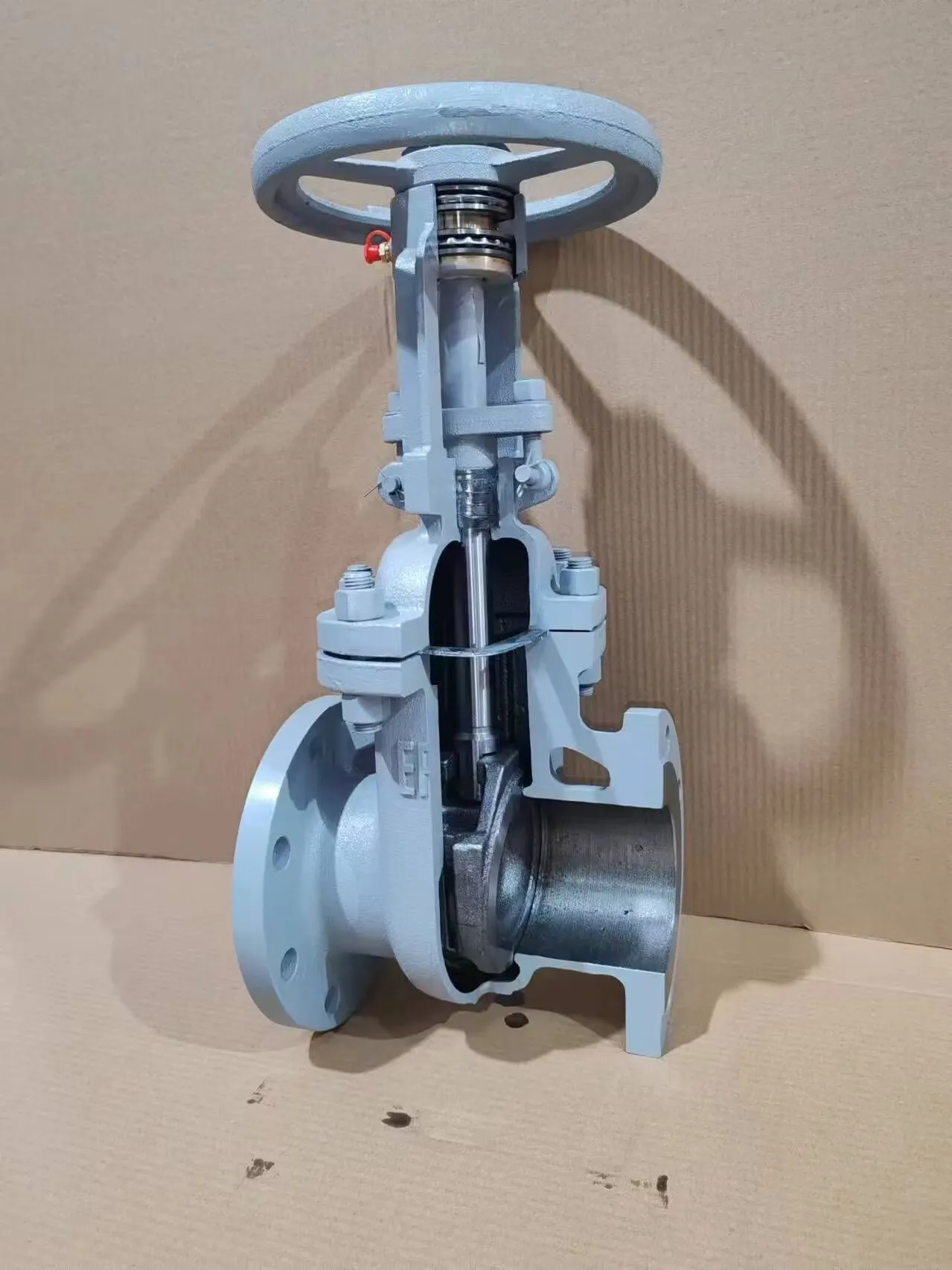
Line Blind Valves: Preventing Unwanted Flow in Critical Systems
A line blind valve is commonly used to isolate sections of a pipeline, ensuring that no fluid can pass through during maintenance or repairs. These valves act as a physical barrier that completely shuts off flow, preventing accidental discharge of hazardous materials or fluids into other parts of the system.
By using a line blind valve, operators can work on sections of a pipeline safely without the risk of fluid under pressure escaping. This ensures worker safety and prevents environmental contamination, particularly in industries such as oil and gas, chemicals, and water treatment, where flow control is crucial.
The line blind valve is particularly valued for its simplicity and effectiveness in creating a reliable seal during maintenance, reducing the risk of accidents and ensuring the integrity of the system.
Hammer Blind Valves: Instant Isolation for Emergency Situations
The hammer blind valve is designed for rapid isolation of a pipeline, typically used in emergency situations where immediate closure is required. This valve type is often used in high-risk environments where stopping flow quickly can prevent accidents such as leaks, explosions, or system overpressure.
The hammer blind valve works by inserting a solid plate into the flow path, effectively blocking fluid movement. Its fast-acting nature makes it ideal for situations where manual operation would be too slow to prevent damage. In such high-risk environments, this immediate isolation can significantly reduce the chance of serious accidents, ensuring that workers can perform maintenance or repairs safely and without exposure to hazardous materials.
Spectacle Blind Valves: Enabling Safe Maintenance and Isolation
Spectacle blind valves are versatile and durable devices often used for isolating pipelines in a safe, efficient manner. These valves consist of a metal disc (blind) that can be inserted or removed to either allow or block the flow of material. They are often used in pipelines where regular maintenance and servicing are required.
The primary benefit of spectacle blind valves is their ability to completely isolate a section of the pipeline while allowing for easy maintenance procedures. When closed, they prevent any flow through the system, providing an additional layer of safety for workers. The visual indicator (or “spectacle”) allows workers to quickly see whether the valve is in the open or closed position, further enhancing safety and reducing human error.
In industries like petrochemicals and energy, spectacle blind valves are essential for ensuring that personnel can perform maintenance tasks without worrying about accidental flow, pressure buildup, or the release of harmful substances.
Blind Valves: Overall Contribution to System Safety
Across various industries, blind valves, including the line blind valve, hammer blind valve, and spectacle blind valve, play a critical role in ensuring safe operation and maintenance of flow systems. These valves allow operators to isolate sections of pipelines effectively, preventing any accidental flow of hazardous or pressurized fluids.
By enabling safe isolation during maintenance, blind valves reduce the risk of injuries, contamination, and accidents, ensuring that workers can perform their tasks in a controlled environment. Furthermore, their ability to handle both regular maintenance and emergency situations makes them indispensable in ensuring the overall safety and reliability of flow control systems.
Whether you’re using a line blind valve to shut off flow for routine maintenance, a hammer blind valve for emergency isolation, or a spectacle blind valve for easy visual indication of valve status, these devices are integral to the safety and smooth operation of flow control systems.
Invest in high-quality blind valves to ensure safe, efficient maintenance procedures and to protect your system and workers from the potential risks associated with accidental flow. Explore our range of reliable blind valves today and make safety a top priority in your operations!
-
Comprehensive Guide to China Pipe Laterals Fittings for Global Trade ApplicationsžiniosFeb.24,2026
-
China Extended Body Gate Valves A Comprehensive Guide To Selection And ApplicationžiniosFeb.11,2026
-
Comprehensive Guide to China 3 Inch Butterfly Valve Selection and ApplicationsžiniosJan.30,2026
-
Comprehensive Guide to Pipe Adaptors and Fittings for Efficient SystemsžiniosJan.28,2026
-
Comprehensive Guide to Pipe T Fittings for Plumbing and Fluid Transfer SystemsžiniosJan.28,2026
-
Comprehensive Guide to Union Pipe Fitting Selection and ApplicationsžiniosJan.27,2026
-
Comprehensive Guide to China Angle Globe Valves for Industrial ApplicationsžiniosJan.27,2026
 Lithuanian
 Afrikaans
  Albanian
  Amharic
  Arabic
  Armenian
  Azerbaijani
  Basque
  Belarusian
  Bengali
  Bosnian
  Bulgarian
  Catalan
  Cebuano
  Croatian
  Czech
Czech  Danish
  Dutch
Dutch  English Esperanto
  Estonian
  Finnish
  French
  Frisian
  Galician
  Georgian
  German
  Greek
Greek  Gujarati
  Hebrew
  Hindi
Hindi  Hungarian
  Icelandic
  Indonesian
  Italian
  Japanese
  Kannada
  Kazakh
  Khmer
Khmer  Korean
  Kurdish
  Lao
Lao  Latvian
  Macedonian
  Malay
Malay  Malayalam
  Marathi
  Mongolian
  Myanmar
  Nepali
  Norwegian
  Pashto
  Persian
  Polish
  Portuguese
  Panjabi
  Romanian
  Russian
  Scottish Gaelic
  Serbian
  Sinhala
  Slovak
  Slovenian
  Spanish
  Swahili
  Swedish
  Tagalog
  Tamil
Tamil  Tatar
Tatar  Telugu
  Thai
Thai  Turkish
  Ukrainian
  Urdu
Urdu  Uighur
  Uzbek
Uzbek  Vietnamese
  Welsh
Welsh