 86-312-8695888
 86-13722963501
 info@hbysindustry.com
-
 Afrika
-
 bahasa Albania
-
 Amharic
-
 bahasa arab
-
 bahasa Armenia
-
 Azerbaijan
-
 Basque
-
 Belarusia
-
 Benggali
-
 Bosnia
-
 bahasa Bulgaria
-
 Catalan
-
 Cebuano
-
 Korsika
-
 bahasa Croatia
-
 bahasa Czech
-
 Danish
-
 Belanda
-
 Inggeris
-
 Esperanto
-
 bahasa Estonia
-
 bahasa Finland
-
 Perancis
-
 Frisian
-
 Galicia
-
 Georgian
-
 Jerman
-
 bahasa Yunani
-
 Gujerat
-
 Kreol Haiti
-
 hausa
hausa
-
 hawaii
-
 bahasa Ibrani
-
 Tidak
Tidak
-
 Miao
Miao
-
 bahasa Hungary
-
 bahasa Iceland
-
 igbo
igbo
-
 Indonesia
-
 irish
irish
-
 Itali
Itali
-
 Jepun
Jepun
-
 bahasa jawa
-
 Kannada
-
 kazakh
-
 Khmer
Khmer
-
 Rwanda
-
 Korea
Korea
-
 Kurdish
-
 Kyrgyz
-
 TB
TB
-
 bahasa Latin
-
 bahasa Latvia
-
 bahasa Lithuania
-
 Luxembourgish
-
 Macedonia
-
 Malgashi
-
 Melayu
-
 Malayalam
-
 bahasa Malta
-
 Maori
Maori
-
 Marathi
-
 Mongolia
-
 Myanmar
-
 Nepal
Nepal
-
 bahasa Norway
-
 bahasa Norway
-
 Occitan
-
 Pashto
-
 Parsi
Parsi
-
 Poland
-
 Portugis
-
 Punjabi
-
 bahasa Romania
-
 bahasa Rusia
-
 bahasa Samoa
-
 Gaelik Scotland
-
 bahasa Serbia
-
 Inggeris
-
 Shona
Shona
-
 Sindhi
-
 Sinhala
-
 Bahasa Slovak
-
 Bahasa Slovenia
-
 Somalia
-
 bahasa Sepanyol
-
 bahasa sunda
-
 bahasa Swahili
-
 bahasa Sweden
-
 bahasa Tagalog
-
 bahasa Tajik
-
 bahasa Tamil
-
 Tatar
Tatar
-
 Telugu
-
 Thai
Thai
-
 bahasa Turki
-
 orang Turkmen
-
 Ukraine
-
 bahasa Urdu
-
 Uighur
-
 Uzbek
Uzbek
-
 bahasa Vietnam
-
 bahasa Wales
-
 Bantu
Bantu
-
 Yiddish
-
 Yoruba
-
 Zulu
Zulu


Bellow Sealed Stop Valve: Zero Leakage, Long Service Life
Bellows Globe Valves, Emissions Rules, and Real-World Reliability
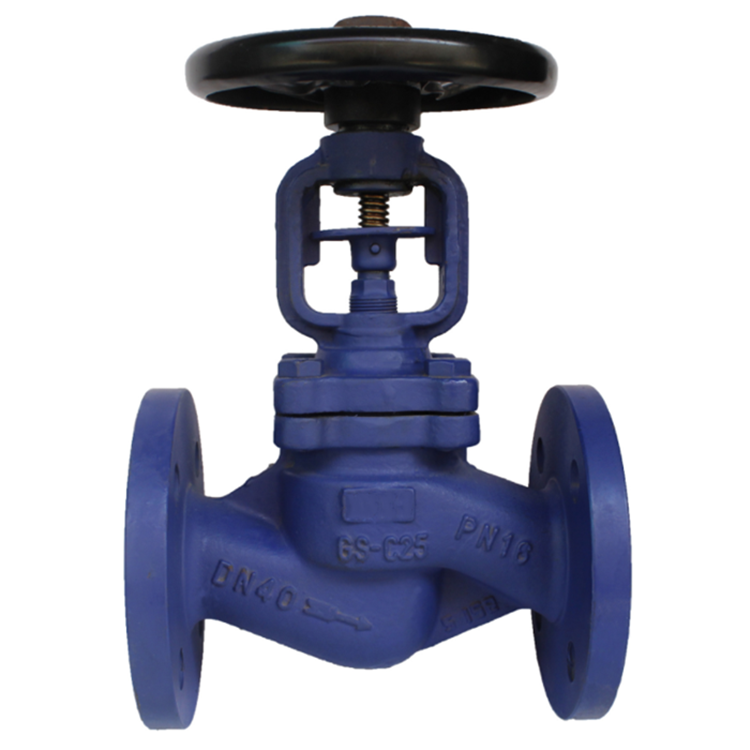
If you’ve wrestled with stem leaks on older globe valves, you already know why the bellow sealed stop valve is quietly taking over utility and process lines. In fact, stricter fugitive-emission targets aren’t just policy chatter—they’re daily maintenance headaches. The WJ41H-16/25/40 Bellows Globe Valve from Hebei Baishun (HBY S Valves) has been cropping up on my site walks, from steam manifolds in food factories to mid-pressure oil loops in district heating. And, to be honest, the feedback is better than I expected.
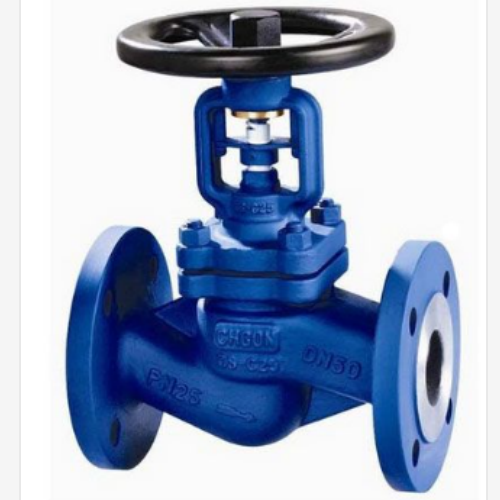
Product snapshot: WJ41H-16/25/40 Bellows Globe Valve
- Mediums: water, steam, oil (common utilities and light process).
- Temp: ≤350 ℃. Pressure classes: PN16/25/40 (≈1.6–4.0 MPa).
- Sizes: DN15–DN500. Operation: manual or electric actuator. Connection: flange.
- Body materials: Carbon steel, CF8/CF8M, WC6, WC9—so yes, high-temp alloys for tougher loops.
- Origin: North Guzhuangying Village, Ansu Town, Xushui District, Baoding, Hebei, China.
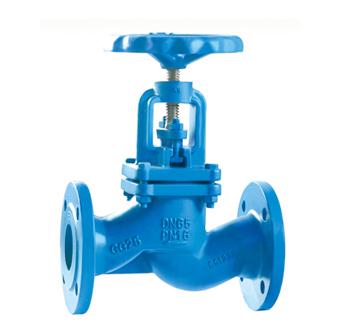
Why plants are shifting to bellow sealed stop valve designs
A welded bellows replaces repeated packing adjustments. That means fewer wrench-turns, fewer callouts, and—crucially—lower fugitive emissions. Many customers say “we installed once and basically forgot about it,” which is a bit rosy, but the downtime data does back them up.
| Parameter | WJ41H-16/25/40 (typical) | Notes |
|---|---|---|
| Pressure | PN16 / PN25 / PN40 | ≈1.6–4.0 MPa |
| Temp | ≤350 ℃ | Material/seat selection dependent |
| Sizes | DN15–DN500 | Flanged, face-to-face per project |
| Materials | CS, CF8/CF8M, WC6, WC9 | Seats: 13Cr/Stellite/SS (as ordered) |
| Leak test | API 598 / EN 12266-1 | Shell & seat tested at factory |
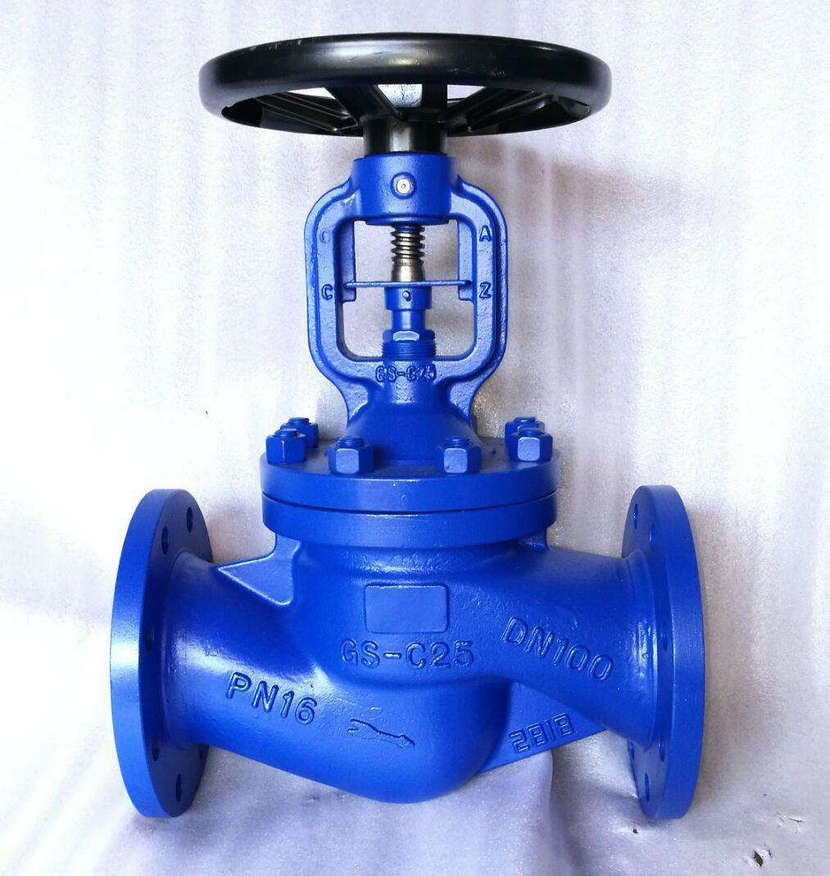
Process and testing (how it’s built)
- Materials: heat-treated bodies (WC6/WC9 for hotter steam), SS bellows with multi-ply design, hardfaced seat options (Stellite) for throttling abuse.
- Methods: full-penetration bellows welds, dye-penetrant on weld seams, hydrostatic shell and seat tests per API 598 / EN 12266-1.
- Emissions: type-tested to ISO 15848 guidance (BH class levels are typical in this category, real-world use may vary).
- Service life: field feedback suggests ≥10,000 cycles on moderate duty; high-cycling loops should be reviewed case-by-case.
Where it’s being used
- Utilities: boiler houses, district heating, condensate return.
- Process: light oil lines, solvent-safe utilities (verify compatibility), clean steam in food and pharma utilities (material traceability helps).
- Case note: a northern China textile plant replaced packed valves on a 220 ℃ condensate header with bellow sealed stop valve units—maintenance calls dropped ≈60% over 12 months, and the operators stopped re-packing midshift. Small sample, yes, but telling.
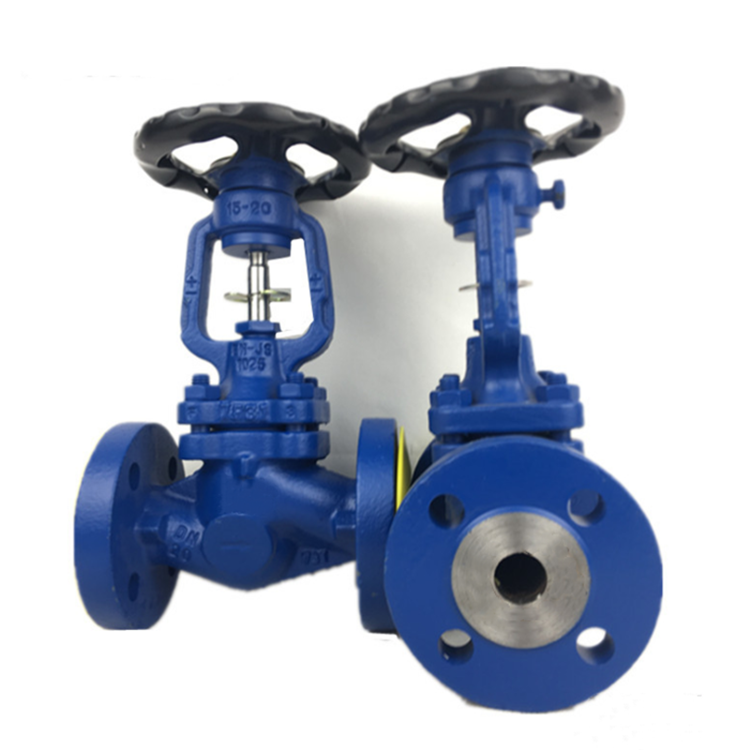
Vendor landscape (quick take)
| Aspect | HBY S Valves (WJ41H) | Typical Alternatives |
|---|---|---|
| Range | DN15–500, PN16–40 | Often DN15–300, PN16–40 |
| Materials | CS, CF8/CF8M, WC6/WC9 | CS/SS, high-alloy on request |
| Emissions focus | Bellows + backup packing | Bellows; some rely on packing only |
| Lead time | Competitive for PN40 | Varies; PN40 can stretch |
Customization and docs
Options I’ve seen: Stellite seats, extended bonnets for hot lines, electric actuators with limit switches, NACE-friendly trim on request, and low-temperature service variants. Documentation can include MTRs, hydrotest reports, and ISO/CE-related certificates. For emission-sensitive sites, ask specifically for ISO 15848 test evidence on the exact bellow sealed stop valve configuration you’re buying.
Final thought
Globe valves still earn their keep when you need shutoff plus fair throttling. The bellows just makes them cleaner and frankly easier to live with.
Authoritative references
- ISO 15848-1: Industrial valves — Measurement, test and qualification procedures for fugitive emissions
- API 598: Valve Inspection and Testing
- ASME B16.34: Valves—Flanged, Threaded, and Welding End
- EN 12266-1: Industrial valves—Testing of metallic valves
- ISO 5208: Industrial valves—Pressure testing of metallic valves
-
Comprehensive Guide to China Pipe Laterals Fittings for Global Trade ApplicationsBeritaFeb.24,2026
-
China Extended Body Gate Valves A Comprehensive Guide To Selection And ApplicationBeritaFeb.11,2026
-
Comprehensive Guide to China 3 Inch Butterfly Valve Selection and ApplicationsBeritaJan.30,2026
-
Comprehensive Guide to Pipe Adaptors and Fittings for Efficient SystemsBeritaJan.28,2026
-
Comprehensive Guide to Pipe T Fittings for Plumbing and Fluid Transfer SystemsBeritaJan.28,2026
-
Comprehensive Guide to Union Pipe Fitting Selection and ApplicationsBeritaJan.27,2026
-
Comprehensive Guide to China Angle Globe Valves for Industrial ApplicationsBeritaJan.27,2026
 Malay
Malay Afrikaans
  Albanian
  Amharic
  Arabic
  Armenian
  Azerbaijani
  Basque
  Belarusian
  Bengali
  Bosnian
  Bulgarian
  Catalan
  Cebuano
  Croatian
  Czech
Czech  Danish
  Dutch
Dutch  English Esperanto
  Estonian
  Finnish
  French
  Frisian
  Galician
  Georgian
  German
  Greek
Greek  Gujarati
  Hebrew
  Hindi
Hindi  Hungarian
  Icelandic
  Indonesian
  Italian
  Japanese
  Kannada
  Kazakh
  Khmer
Khmer  Korean
  Kurdish
  Lao
Lao  Latvian
  Lithuanian
  Macedonian
  Malayalam
  Marathi
  Mongolian
  Myanmar
  Nepali
  Norwegian
  Pashto
  Persian
  Polish
  Portuguese
  Panjabi
  Romanian
  Russian
  Scottish Gaelic
  Serbian
  Sinhala
  Slovak
  Slovenian
  Spanish
  Swahili
  Swedish
  Tagalog
  Tamil
Tamil  Tatar
Tatar  Telugu
  Thai
Thai  Turkish
  Ukrainian
  Urdu
Urdu  Uighur
  Uzbek
Uzbek  Vietnamese
  Welsh
Welsh