 86-312-8695888
 86-13722963501
 info@hbysindustry.com
-
 Afrika
-
 bahasa Albania
-
 Amharic
-
 bahasa arab
-
 bahasa Armenia
-
 Azerbaijan
-
 Basque
-
 Belarusia
-
 Benggali
-
 Bosnia
-
 bahasa Bulgaria
-
 Catalan
-
 Cebuano
-
 Korsika
-
 bahasa Croatia
-
 bahasa Czech
-
 Danish
-
 Belanda
-
 Inggeris
-
 Esperanto
-
 bahasa Estonia
-
 bahasa Finland
-
 Perancis
-
 Frisian
-
 Galicia
-
 Georgian
-
 Jerman
-
 bahasa Yunani
-
 Gujerat
-
 Kreol Haiti
-
 hausa
hausa
-
 hawaii
-
 bahasa Ibrani
-
 Tidak
Tidak
-
 Miao
Miao
-
 bahasa Hungary
-
 bahasa Iceland
-
 igbo
igbo
-
 Indonesia
-
 irish
irish
-
 Itali
Itali
-
 Jepun
Jepun
-
 bahasa jawa
-
 Kannada
-
 kazakh
-
 Khmer
Khmer
-
 Rwanda
-
 Korea
Korea
-
 Kurdish
-
 Kyrgyz
-
 TB
TB
-
 bahasa Latin
-
 bahasa Latvia
-
 bahasa Lithuania
-
 Luxembourgish
-
 Macedonia
-
 Malgashi
-
 Melayu
-
 Malayalam
-
 bahasa Malta
-
 Maori
Maori
-
 Marathi
-
 Mongolia
-
 Myanmar
-
 Nepal
Nepal
-
 bahasa Norway
-
 bahasa Norway
-
 Occitan
-
 Pashto
-
 Parsi
Parsi
-
 Poland
-
 Portugis
-
 Punjabi
-
 bahasa Romania
-
 bahasa Rusia
-
 bahasa Samoa
-
 Gaelik Scotland
-
 bahasa Serbia
-
 Inggeris
-
 Shona
Shona
-
 Sindhi
-
 Sinhala
-
 Bahasa Slovak
-
 Bahasa Slovenia
-
 Somalia
-
 bahasa Sepanyol
-
 bahasa sunda
-
 bahasa Swahili
-
 bahasa Sweden
-
 bahasa Tagalog
-
 bahasa Tajik
-
 bahasa Tamil
-
 Tatar
Tatar
-
 Telugu
-
 Thai
Thai
-
 bahasa Turki
-
 orang Turkmen
-
 Ukraine
-
 bahasa Urdu
-
 Uighur
-
 Uzbek
Uzbek
-
 bahasa Vietnam
-
 bahasa Wales
-
 Bantu
Bantu
-
 Yiddish
-
 Yoruba
-
 Zulu
Zulu


Flange: Important Components for Achieving Secure and Reliable Connections
Flange, As an indispensable key component in the connection of pipelines, valves, pumps and other equipment, its role goes far beyond simple physical connections. It bears the responsibility of ensuring the security, reliability, and long-term stability of the connection. In industrial fields such as chemical, petroleum, natural gas, and power, the application of flame is ubiquitous, and its performance directly affects the safe operation of the entire system.
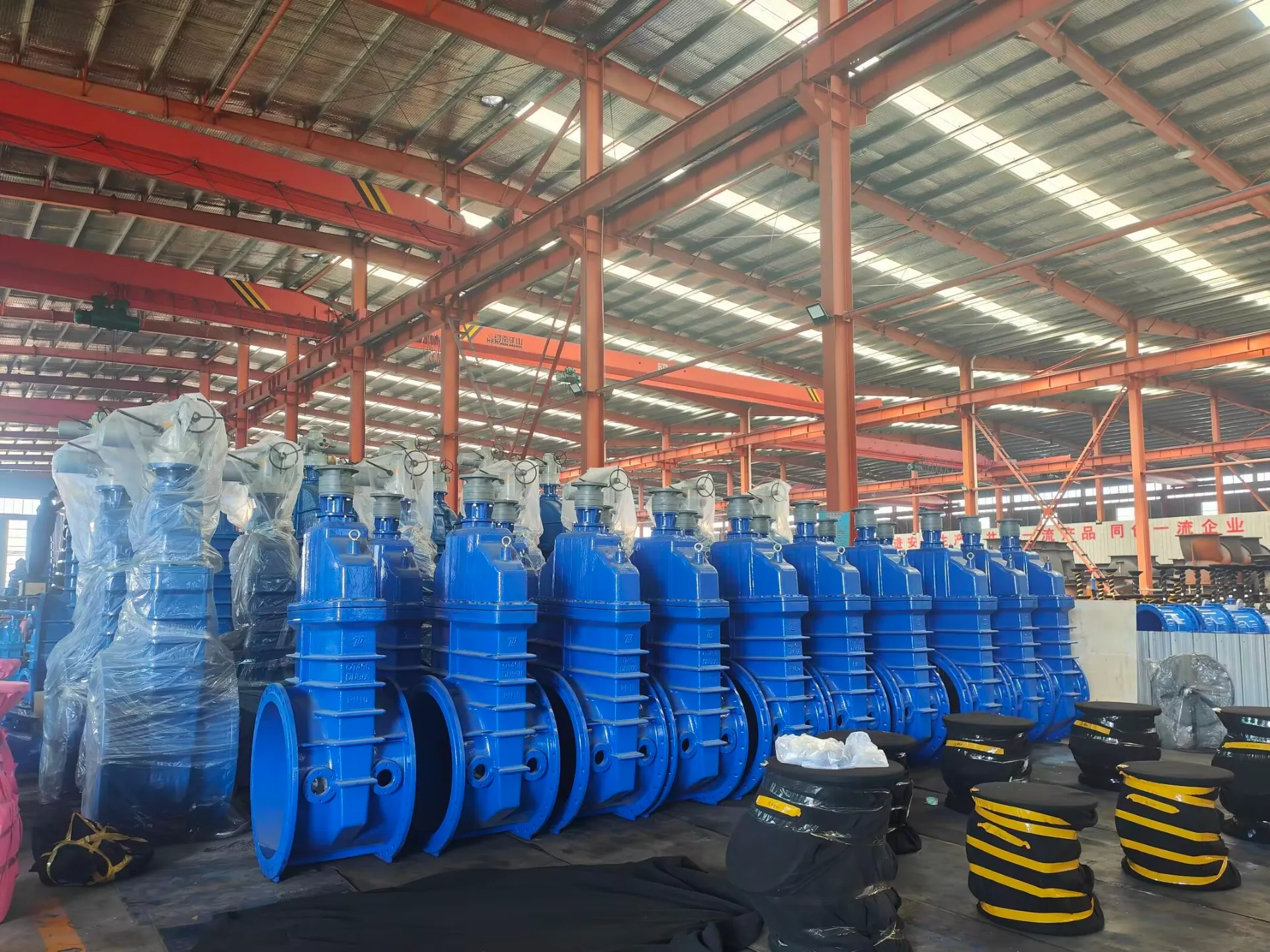
Flange has achieved effective sealing connection through its special design structure
Pipe floor flange is usually composed of two opposing circular disc-shaped structures, which are fastened by bolts and the gaps between them are filled with sealing gaskets. This design enables the flange to withstand significant pressure and temperature changes, preventing medium leakage. Different types of flanges, such as flat welding flanges, butt welding flanges, flange covers, etc., can be selected according to different application scenarios to maximize the sealing of the connection.
Flange is detachable, making it convenient for equipment maintenance and repair
Compared to permanent connection methods such as welding, plain flange connections allow for easy disassembly and reassembly without damaging pipelines or equipment. This is crucial for systems that require regular maintenance and replacement of components. By regularly inspecting and replacing flange gaskets, potential leakage risks can be effectively prevented, ensuring the safe operation of the system.
The standardization and universality of flange make it possible to connect different devices and pipelines
Flanges with different specifications, materials, and pressure levels have corresponding standard specifications, such as ANSI, DIN, GB, etc. The development of these standard specifications ensures that flags produced by different manufacturers can be interchanged, greatly reducing equipment procurement and maintenance costs. At the same time, it also facilitates engineers to make choices and matches during the design and installation process.
The safety and reliability of Flange are not achieved overnight, and require strict quality control and standardized operations
When selecting materials for hose flange, it is necessary to consider factors such as corrosiveness, temperature, and pressure of the medium, and choose suitable materials such as carbon steel, stainless steel, alloy steel, etc. During the installation process of the flange, it is necessary to ensure that the tightening force of the bolts is uniform to avoid excessive tightening or loosening, which may affect the sealing effect. At the same time, it is necessary to regularly inspect the flange to promptly identify and address potential issues such as corrosion, cracks, etc.
In summary, hydraulic flange, as an important connecting component, plays a crucial role in ensuring the safe and reliable operation of pipelines and equipment systems. Its sealing, disassembly, and versatility make it an indispensable part of the industrial field. However, to fully utilize the performance of Flange, strict quality control, standardized operation, and regular maintenance are required to truly achieve its goal of safe and reliable connection. Only in this way can we ensure the safe, stable, and efficient operation of industrial production.
Flange FAQs
What is flange?
A flange is a mechanical connector used to connect pipes, valves, equipment, or other components. It is usually disc-shaped with bolt holes, which tightly connect two flanges together with bolts, and a sealing gasket is placed in the middle to ensure sealing.
What are the main advantages of flange?
Easy to install and remove: The flange connection allows for quick installation and removal, making it convenient for maintenance and inspection.
Good sealing performance: The flange connection has good sealing performance through the fastening of gaskets and bolts.
Wide applicability: It can be used in various pipeline systems, including high-pressure, high-temperature, and corrosive media.
High strength: The flange connection can withstand high pressure and load.
What are the drawbacks of flange?
High cost: Flange connections require additional gaskets and bolts, resulting in relatively high costs.
Large space occupation: Flange connections require a certain amount of installation space, which may not be suitable for compact situations.
Heavy weight: Flange connections will increase the weight of the piping system.
What are the main application areas of flange?
Flange is widely used in the following fields:
Oil and gas industry: used for connecting pipelines and equipment.
Chemical industry: used for pipeline connections in corrosive media.
Water treatment system: used for water supply and drainage pipelines.
Power industry: used for boilers and steam systems.
Food and pharmaceutical industry: used for pipeline connections with high hygiene requirements.
What are the common types of flags?
According to their structure and purpose, flags are mainly divided into the following types:
SlipOn Flange: Fixed to the pipeline by welding, easy to install.
Weld Neck Flange: Fixed to pipelines through butt welding, suitable for high-pressure and high-temperature applications.
Threaded flange: fixed on the pipeline through threaded connection, suitable for low-pressure applications.
Loose flange: not directly welded to the pipeline, suitable for situations that require frequent disassembly.
Blind flange: used to seal the end of a pipeline, suitable for situations where fluid isolation is required.
-
Comprehensive Guide to China Pipe Laterals Fittings for Global Trade ApplicationsBeritaFeb.24,2026
-
China Extended Body Gate Valves A Comprehensive Guide To Selection And ApplicationBeritaFeb.11,2026
-
Comprehensive Guide to China 3 Inch Butterfly Valve Selection and ApplicationsBeritaJan.30,2026
-
Comprehensive Guide to Pipe Adaptors and Fittings for Efficient SystemsBeritaJan.28,2026
-
Comprehensive Guide to Pipe T Fittings for Plumbing and Fluid Transfer SystemsBeritaJan.28,2026
-
Comprehensive Guide to Union Pipe Fitting Selection and ApplicationsBeritaJan.27,2026
-
Comprehensive Guide to China Angle Globe Valves for Industrial ApplicationsBeritaJan.27,2026
 Malay
Malay Afrikaans
  Albanian
  Amharic
  Arabic
  Armenian
  Azerbaijani
  Basque
  Belarusian
  Bengali
  Bosnian
  Bulgarian
  Catalan
  Cebuano
  Croatian
  Czech
Czech  Danish
  Dutch
Dutch  English Esperanto
  Estonian
  Finnish
  French
  Frisian
  Galician
  Georgian
  German
  Greek
Greek  Gujarati
  Hebrew
  Hindi
Hindi  Hungarian
  Icelandic
  Indonesian
  Italian
  Japanese
  Kannada
  Kazakh
  Khmer
Khmer  Korean
  Kurdish
  Lao
Lao  Latvian
  Lithuanian
  Macedonian
  Malayalam
  Marathi
  Mongolian
  Myanmar
  Nepali
  Norwegian
  Pashto
  Persian
  Polish
  Portuguese
  Panjabi
  Romanian
  Russian
  Scottish Gaelic
  Serbian
  Sinhala
  Slovak
  Slovenian
  Spanish
  Swahili
  Swedish
  Tagalog
  Tamil
Tamil  Tatar
Tatar  Telugu
  Thai
Thai  Turkish
  Ukrainian
  Urdu
Urdu  Uighur
  Uzbek
Uzbek  Vietnamese
  Welsh
Welsh