 86-312-8695888
 86-13722963501
 info@hbysindustry.com
-
 afrikanska
-
 albanska
-
 amhariska
-
 arabiska
-
 armeniska
-
 azerbajdzjanska
-
 baskiska
-
 vitryska
-
 bengaliska
-
 bosniska
-
 bulgariska
-
 katalanska
-
 Cebuano
-
 korsikanska
-
 Kroatisk
-
 tjeckiska
-
 danska
-
 holländska
-
 engelsk
-
 esperanto
-
 estniska
-
 finska
-
 franska
-
 frisiska
-
 galiciska
-
 georgiska
-
 tysk
tysk
-
 grekisk
-
 Gujarati
-
 haitisk kreol
-
 hausa
hausa
-
 hawaiian
-
 hebreiska
-
 Nej
Nej
-
 Miao
Miao
-
 ungerska
-
 isländska
-
 igbo
igbo
-
 indonesiska
-
 irländsk
-
 italienska
-
 japanska
-
 javanesiska
-
 Kannada
-
 kazakiska
-
 Khmer
Khmer
-
 rwandiska
-
 koreanska
-
 kurdiska
-
 kirgiziska
-
 TB
TB
-
 latin
latin
-
 lettiska
-
 litauiska
-
 Luxemburgiska
-
 makedonska
-
 Malgashi
-
 malajiska
-
 Malayalam
-
 maltesiska
-
 Maori
Maori
-
 Marathi
-
 mongoliska
-
 Myanmar
-
 nepalesiska
-
 norska
-
 norska
-
 occitanska
-
 Pashto
-
 persiska
-
 putsa
putsa
-
 portugisiska
-
 Punjabi
-
 rumänska
-
 ryska
ryska
-
 Samoan
-
 skotsk gaeliska
-
 serbiska
-
 engelsk
-
 Shona
Shona
-
 Sindhi
-
 singalesiska
-
 slovakiska
-
 slovenska
-
 somaliska
-
 spanska
-
 Sundanesiska
-
 Swahili
-
 svenska
-
 Tagalog
-
 tadzjikiska
-
 Tamil
Tamil
-
 tatariska
-
 Telugu
-
 Thai
Thai
-
 turkiska
-
 turkmeniska
-
 ukrainska
-
 Urdu
Urdu
-
 Uigur
Uigur
-
 uzbekiska
-
 vietnamesiska
-
 walesiska
-
 Hjälp
Hjälp
-
 jiddisch
-
 Yoruba
-
 Zulu
Zulu


Exploring Globe Valve Types and Their Benefits in Flow Control
In industries where fluid flow control is crucial, the globe valve plays a pivotal role in maintaining precision, safety, and efficiency. Its ability to throttle, control, and shut off flow makes it a staple in a wide range of applications, from chemical plants to water treatment systems. With various globe valve types available, selecting the right one for your operation can significantly enhance performance. This article dives into the different globe valve types, their design features, and the advantages they offer, helping you choose the best option for your system.
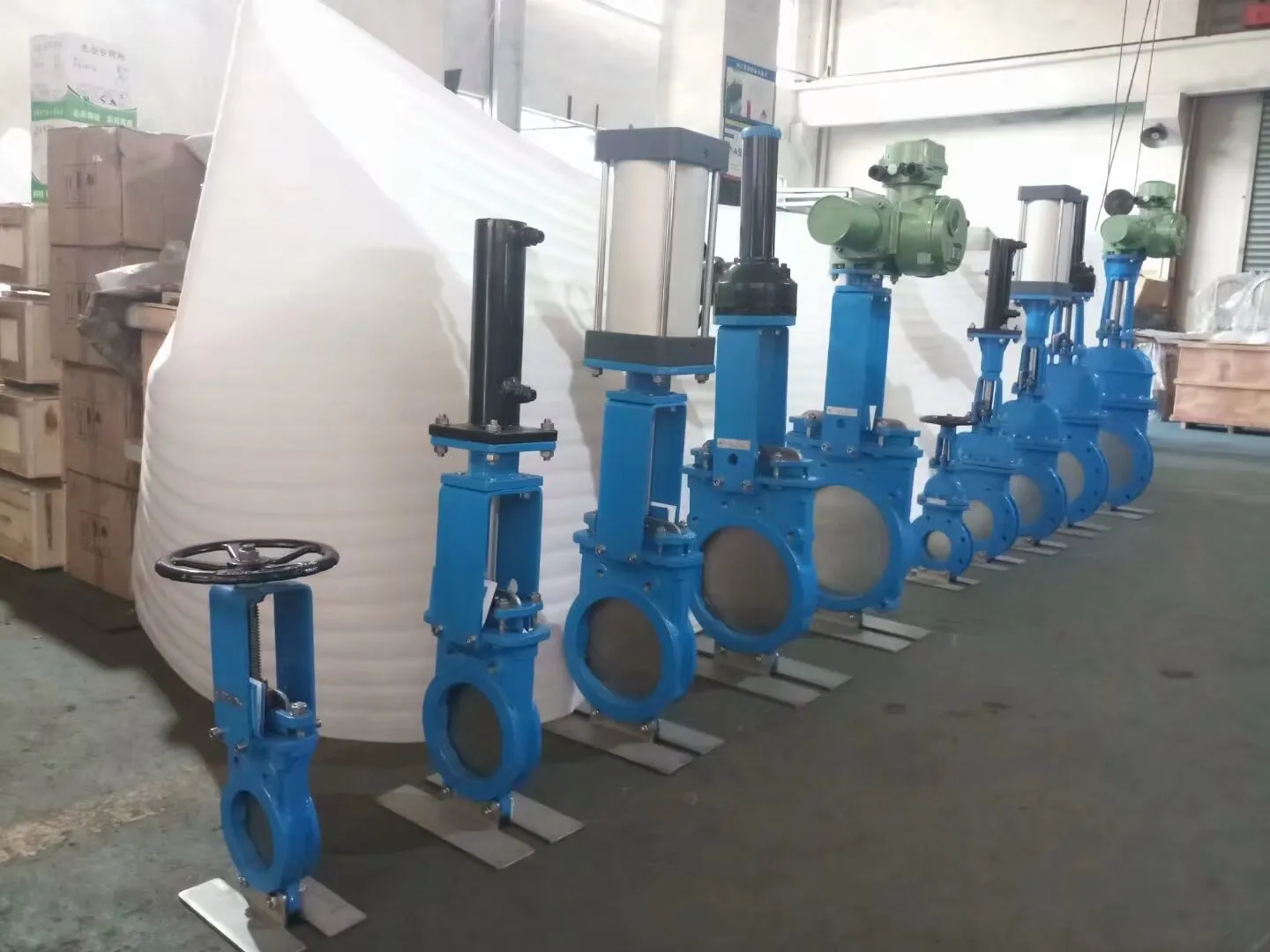
Understanding Globe Valve Types
There are several globe valve types designed to meet specific industrial needs. The most common include T-pattern (straight-through), Y-pattern, and angle or corner globe valves. Each type has a unique design and flow characteristic that makes it suitable for particular applications.
T-pattern globe valve (straight-through): This is the most common design, with the inlet and outlet ports aligned in a straight line. It is highly effective for systems where throttling is a key function.
Y-pattern globe valve: Featuring an angled seat, this type provides lower pressure drop than the T-pattern valve, making it suitable for applications that require high flow rates with minimal resistance.
Corner globe valve: The angle or corner valve is designed for situations where the valve changes the direction of the flow, typically by 90 degrees. This valve is commonly used in confined spaces where straight valves would be less practical.
When considering a globe valve for sale, the design and globe valve price will vary depending on the type and materials used. Straight-through valves tend to be more affordable due to their simpler design, while Y-pattern and corner globe valves may come at a higher globe valve price due to their specialized functions.
Comparison of Globe Valves for Flow Control
When it comes to globe valves for flow control, the primary function is to modulate the flow rate in a system. Unlike gate valves that are used primarily for on/off operations, globe valves are excellent at controlling the flow precisely. Whether it’s regulating steam in a power plant or managing the flow of corrosive chemicals in a process plant, globe valves for flow control provide operators with the precision they need to optimize efficiency.
The straight-through (T-pattern) globe valve is widely used in applications that require frequent throttling. Its linear movement of the stem and disk makes it ideal for controlling flow rates. However, it does experience higher pressure drops compared to other valve types, which is a trade-off for the precise flow control it offers.
The Y-pattern globe valve offers a solution to this by reducing pressure drop, which can be beneficial in systems that require continuous flow with minimal resistance. Angle globe valves, on the other hand, are particularly useful in systems that need to change the direction of the flow while still offering control capabilities. By selecting the right globe valve types, operators can ensure optimal flow control performance based on the specific demands of their system.
Design Differences Between Straight-Through and Corner Globe Valves
The main design difference between the straight-through and corner globe valve types lies in how they manage flow and space constraints. Straight-through globe valves have ports that are aligned, meaning the fluid flows in a direct path, which can cause a significant pressure drop. Despite this, the straight-through design allows for excellent flow control and is favored in systems that prioritize precision over energy efficiency.
Corner globe valves, however, change the direction of the flow by 90 degrees. This design is particularly advantageous in applications where space is limited or where changes in piping direction are required. The corner design also simplifies piping layouts by eliminating the need for extra fittings to change the flow direction. Although corner globe valves may have a higher globe valve price, they offer significant savings in space and installation complexity.
The Advantages of Each Globe Valve Type
Each globe valve type offers distinct advantages that make them suitable for various applications. Straight-through (T-pattern) valves are best for throttling applications where precise control is required, such as in steam regulation or fuel control systems. Their simple design and wide availability also make them cost-effective options when searching for globe valve for sale.
Y-pattern globe valves, with their angled seats, are ideal for systems that need both control and a lower pressure drop. This makes them perfect for high-flow applications such as cooling systems or pipelines with viscous fluids. The globe valve price for Y-pattern designs may be higher, but their efficiency in reducing energy costs often justifies the investment.
Corner globe valves are the go-to choice for confined spaces or systems requiring directional flow changes. Their compact design eliminates the need for extra fittings and allows for easy installation in tight areas. If space and layout constraints are major considerations in your system, corner valves provide a practical and efficient solution.
Globe Valve:Making the Right Choice for Flow Control
The versatility of the globe valve ensures it remains a crucial component in industries requiring precise flow regulation. Whether you are seeking a valve for high-pressure throttling, or you need a solution for space-limited areas, there is a globe valve type to match your needs. When selecting a globe valve for sale, it is important to evaluate the specific demands of your system, including pressure requirements, space limitations, and flow characteristics.
The globe valve price may vary depending on the design, material, and size of the valve. However, investing in the right globe valves for flow control can significantly improve your system’s efficiency, safety, and longevity, making it a worthwhile investment. Whether you opt for a T-pattern, Y-pattern, or corner globe valve, the benefits of choosing the correct valve type for your application are clear.
-
Comprehensive Guide to China Pipe Laterals Fittings for Global Trade ApplicationsNyheterFeb.24,2026
-
China Extended Body Gate Valves A Comprehensive Guide To Selection And ApplicationNyheterFeb.11,2026
-
Comprehensive Guide to China 3 Inch Butterfly Valve Selection and ApplicationsNyheterJan.30,2026
-
Comprehensive Guide to Pipe Adaptors and Fittings for Efficient SystemsNyheterJan.28,2026
-
Comprehensive Guide to Pipe T Fittings for Plumbing and Fluid Transfer SystemsNyheterJan.28,2026
-
Comprehensive Guide to Union Pipe Fitting Selection and ApplicationsNyheterJan.27,2026
-
Comprehensive Guide to China Angle Globe Valves for Industrial ApplicationsNyheterJan.27,2026
 Swedish
 Afrikaans
  Albanian
  Amharic
  Arabic
  Armenian
  Azerbaijani
  Basque
  Belarusian
  Bengali
  Bosnian
  Bulgarian
  Catalan
  Cebuano
  Croatian
  Czech
Czech  Danish
  Dutch
Dutch  English Esperanto
  Estonian
  Finnish
  French
  Frisian
  Galician
  Georgian
  German
  Greek
Greek  Gujarati
  Hebrew
  Hindi
Hindi  Hungarian
  Icelandic
  Indonesian
  Italian
  Japanese
  Kannada
  Kazakh
  Khmer
Khmer  Korean
  Kurdish
  Lao
Lao  Latvian
  Lithuanian
  Macedonian
  Malay
Malay  Malayalam
  Marathi
  Mongolian
  Myanmar
  Nepali
  Norwegian
  Pashto
  Persian
  Polish
  Portuguese
  Panjabi
  Romanian
  Russian
  Scottish Gaelic
  Serbian
  Sinhala
  Slovak
  Slovenian
  Spanish
  Swahili
  Tagalog
  Tamil
Tamil  Tatar
Tatar  Telugu
  Thai
Thai  Turkish
  Ukrainian
  Urdu
Urdu  Uighur
  Uzbek
Uzbek  Vietnamese
  Welsh
Welsh