 86-312-8695888
 86-13722963501
 info@hbysindustry.com
-
 Người châu Phi
-
 tiếng Albania
-
 tiếng Amharic
-
 tiếng Ả Rập
-
 tiếng Armenia
-
 Tiếng Azerbaijan
-
 Tiếng Basque
-
 Người Belarus
-
 tiếng Bengali
-
 tiếng Bosnia
-
 tiếng Bungari
-
 tiếng Catalan
-
 Cebuano
-
 Corsican
-
 tiếng Croatia
-
 tiếng Séc
-
 người Đan Mạch
-
 tiếng Hà Lan
-
 Tiếng Anh
-
 Quốc tế ngữ
-
 tiếng Estonia
-
 tiếng Phần Lan
-
 người Pháp
-
 tiếng Frisia
-
 tiếng Galicia
-
 tiếng Gruzia
-
 tiếng Đức
-
 người Hy Lạp
-
 Gujarati
-
 Tiếng Creole Haiti
-
 hausa
hausa
-
 người Hawaii
-
 tiếng Do Thái
-
 Không
Không
-
 Miêu
Miêu
-
 người Hungary
-
 tiếng Iceland
-
 igbo
igbo
-
 tiếng Indonesia
-
 người Ailen
-
 người Ý
-
 tiếng Nhật
-
 tiếng Java
-
 tiếng Kannada
-
 kazakh
-
 tiếng Khmer
-
 người Rwanda
-
 Hàn Quốc
-
 người Kurd
-
 Tiếng Kyrgyzstan
-
 Lao
Lao
-
 Latin
Latin
-
 tiếng Latvia
-
 tiếng Litva
-
 Tiếng Luxembourg
-
 Tiếng Macedonia
-
 Malgashi
-
 Mã Lai
-
 Mã Lai
-
 cây nho
-
 người Maori
-
 Tiếng Marathi
-
 tiếng Mông Cổ
-
 Myanmar
-
 tiếng Nepal
-
 người Na Uy
-
 người Na Uy
-
 tiếng Occitan
-
 Tiếng Pa-tô
-
 tiếng Ba Tư
-
 Đánh bóng
-
 tiếng Bồ Đào Nha
-
 Tiếng Punjab
-
 người Rumani
-
 tiếng Nga
-
 Tiếng Samoa
-
 Tiếng Gaelic của Scotland
-
 tiếng Serbia
-
 Tiếng Anh
-
 Shona
Shona
-
 tiếng Sindhi
-
 Sinhala
-
 Tiếng Slovak
-
 tiếng Slovenia
-
 tiếng Somali
-
 người Tây Ban Nha
-
 Tiếng Sundan
-
 tiếng Swahili
-
 tiếng Thụy Điển
-
 Tagalog
-
 Tiếng Tajik
-
 Tiếng Tamil
-
 Tatar
Tatar
-
 tiếng Telugu
-
 tiếng Thái
-
 tiếng Thổ Nhĩ Kỳ
-
 người Thổ Nhĩ Kỳ
-
 tiếng Ukraina
-
 tiếng Urdu
-
 người Duy Ngô Nhĩ
-
 tiếng Uzbek
-
 Tiếng Việt
-
 người xứ Wales
-
 Giúp đỡ
-
 tiếng Yiddish
-
 Yoruba
-
 Zulu
Zulu


Comprehensive Guide to China Angle Globe Valves for Industrial Applications
China Angle Globe Valve: A Comprehensive Guide
Angle globe valves, renowned for their precision flow control, are crucial components in various industrial applications. Sourced from leading China angle globe valve manufacturers, these valves offer reliability and cost-effectiveness. This article provides a deep dive into the world of China angle globe valves, exploring their features, applications, material options, and considerations for selection. Understanding these valves is vital for engineers, procurement managers, and anyone involved in fluid handling systems.
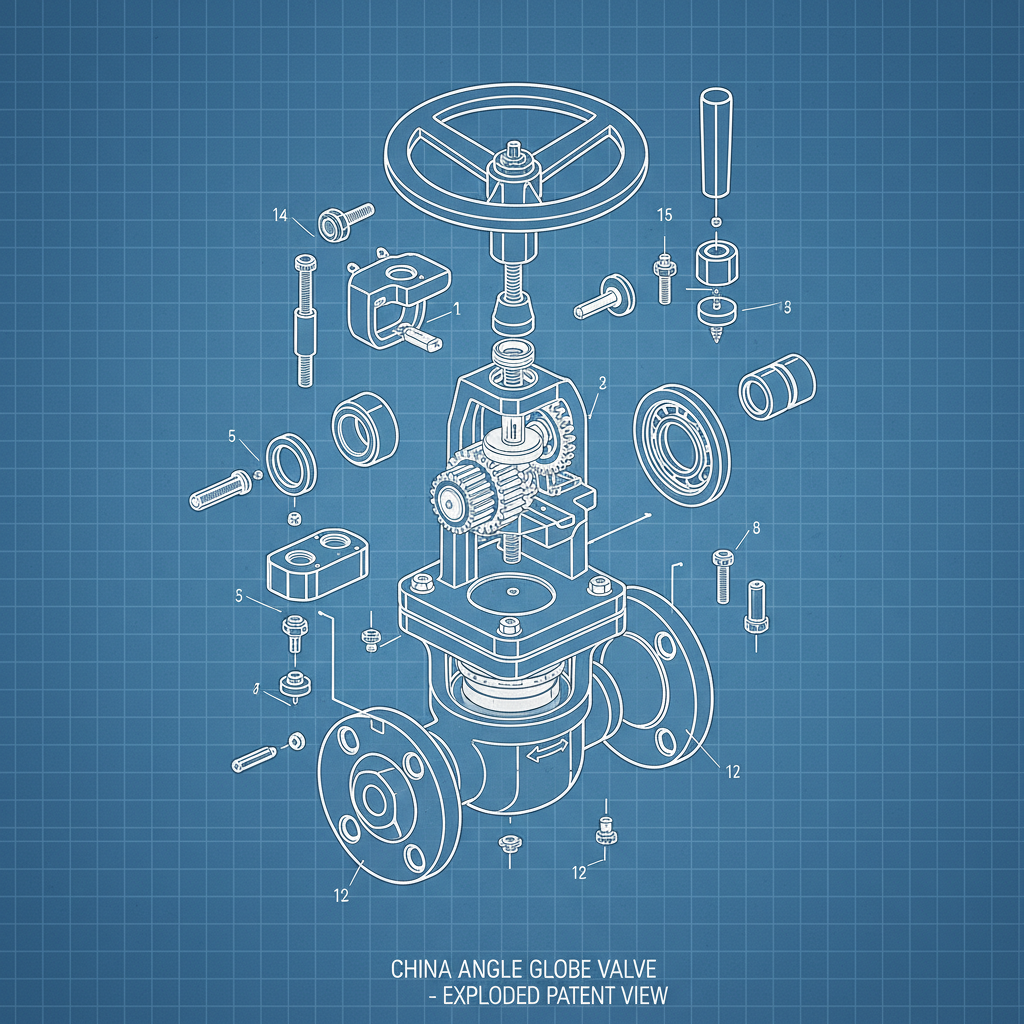
Understanding Angle Globe Valves
An angle globe valve, as the name suggests, features a 90-degree angle between the inlet and outlet ports. This design is particularly advantageous in applications where space is limited or where piping configurations require a directional change. Unlike gate valves, globe valves excel at throttling and regulating flow, making them ideal for processes requiring precise control. The internal structure, featuring a disc and seat, creates a resistance to flow, allowing for accurate adjustment. HBYS Valves specializes in providing high-quality angle globe valves to meet diverse industry needs.
Key Benefits: Precise flow control, compact design, suitability for throttling, and reliable performance.
Common Applications of China Angle Globe Valves
These valves find widespread application across numerous industries. In the chemical processing sector, they control the flow of corrosive fluids. Power generation plants utilize them for steam regulation. HVAC systems depend on them for modulating hot and cold water flow. The oil and gas industry relies on them for precise control of hydrocarbons. Furthermore, they are essential in water treatment facilities and pharmaceutical manufacturing. The versatility and reliability of China angle globe valves make them indispensable in these critical processes.
Industry Applications:
• Chemical Processing
• Power Generation
• HVAC Systems
• Oil and Gas
• Water Treatment
Material Options for China Angle Globe Valves
The choice of material significantly impacts the valve's performance and lifespan. Common materials include cast iron, stainless steel (304, 316), carbon steel, and bronze. Stainless steel offers excellent corrosion resistance, making it ideal for handling aggressive fluids. Carbon steel provides high strength and is suitable for high-pressure applications. Bronze is a good choice for water applications due to its resistance to corrosion and its non-sparking properties. Selecting the appropriate material is crucial for ensuring compatibility with the fluid being handled and the operating environment.
Key Considerations When Choosing a China Angle Globe Valve
Selecting the right angle globe valve requires careful consideration of several factors. First, identify the fluid being handled – its chemical composition, temperature, and pressure. Next, determine the required flow rate and pressure drop. The valve’s size and connection type must also align with the existing piping system. Finally, consider the operating environment – is it exposed to corrosive elements or extreme temperatures? By addressing these points, you can ensure you select a valve that delivers optimal performance and longevity. HBYS Valves offers expert guidance to help you navigate these choices.
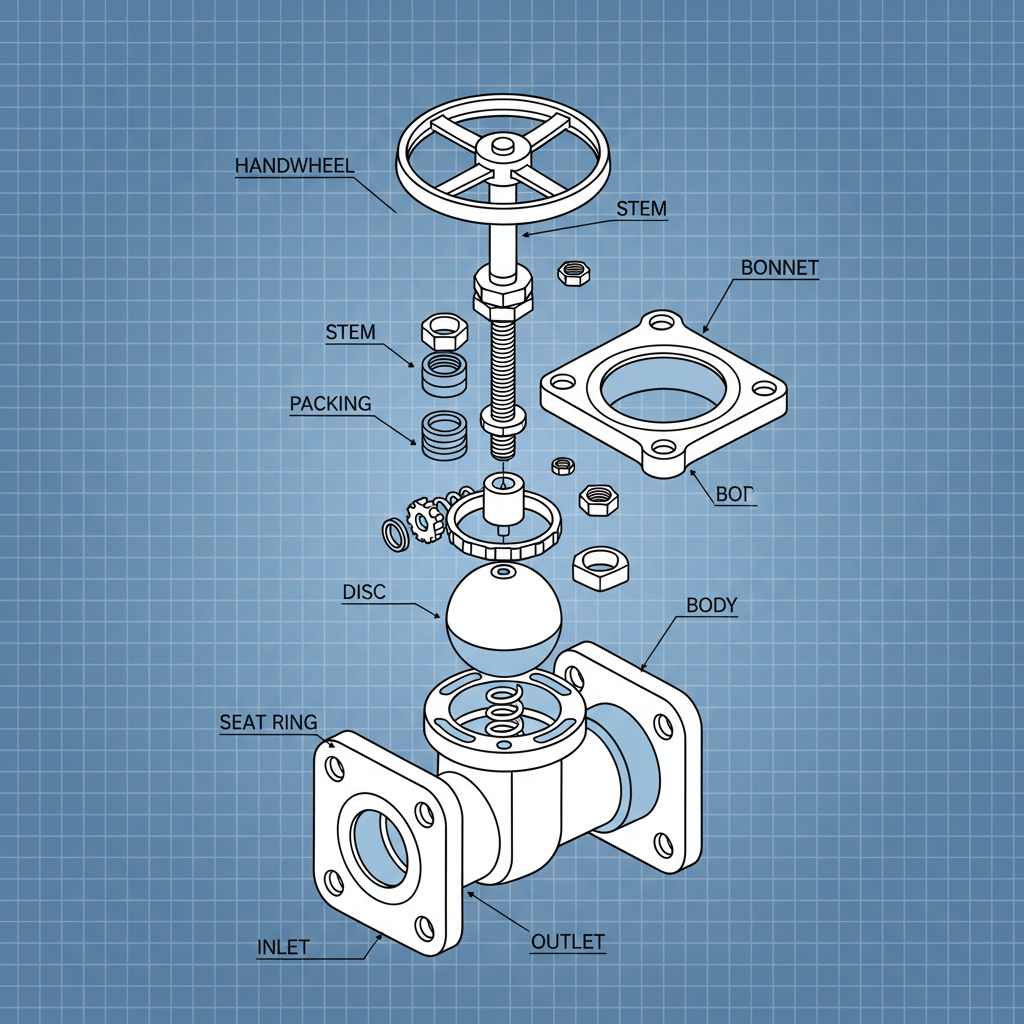
Quality Assurance and Certifications
When sourcing from China angle globe valve suppliers, it’s crucial to verify their quality assurance procedures and certifications. Look for certifications such as ISO 9001, which demonstrates a commitment to quality management. Also, ensure the valves comply with relevant industry standards like API or ANSI. Thorough testing and inspection processes are essential to guarantee the valve’s performance and reliability. HBYS Valves is dedicated to providing products that meet and exceed international quality standards.
Conclusion: Choosing the Right Angle Globe Valve
Selecting the optimal China angle globe valve requires a nuanced understanding of your application’s requirements. Prioritizing material compatibility, industry standards, and supplier quality assurance ensures a reliable and long-lasting solution. Partnering with a reputable manufacturer like HBYS Valves can provide the expertise and support you need to make the right decision.
Frequently Asked Questions (FAQs)
What is the typical lifespan of an angle globe valve?
The lifespan of an angle globe valve varies depending on several factors, including the operating conditions, the fluid being handled, and the quality of the valve itself. Generally, a well-maintained valve can last between 5 and 20 years. Regular inspection, lubrication, and timely replacement of worn parts are crucial for maximizing its lifespan. Corrosive fluids or extreme temperatures can significantly reduce longevity, necessitating more frequent maintenance and potential replacement. Choosing a valve constructed from appropriate materials can extend its service life.
What are the advantages of an angle valve over a straight globe valve?
The primary advantage of an angle valve is its 90-degree turn, which eliminates the need for additional elbows in piping systems. This simplifies installation, reduces pressure drop, and minimizes the risk of leaks. Angle valves are particularly useful in confined spaces where a straight valve would require complex piping arrangements. While both types offer precise flow control, the angle design can improve overall system efficiency.
How do I determine the correct valve size for my application?
Determining the correct valve size requires calculating the required flow rate and considering the pressure drop across the valve. Consult with the engineering data sheet and the fluid’s characteristics. Valve manufacturers, like HBYS Valves, provide sizing charts and technical assistance to help you select the appropriate valve size for your specific application. Undersizing a valve can lead to excessive pressure drop and cavitation, while oversizing can result in inaccurate control.
What maintenance is required for angle globe valves?
Regular maintenance is crucial for ensuring the longevity and reliable performance of angle globe valves. This includes periodic inspection for leaks, corrosion, or damage. Lubricating the valve stem and bonnet is essential for smooth operation. Back-flushing the valve can remove debris that may accumulate and affect its sealing ability. Depending on the application, periodic replacement of packing or seals may be necessary.
-
Comprehensive Guide to China Pipe Laterals Fittings for Global Trade ApplicationsTin tứcFeb.24,2026
-
China Extended Body Gate Valves A Comprehensive Guide To Selection And ApplicationTin tứcFeb.11,2026
-
Comprehensive Guide to China 3 Inch Butterfly Valve Selection and ApplicationsTin tứcJan.30,2026
-
Comprehensive Guide to Pipe Adaptors and Fittings for Efficient SystemsTin tứcJan.28,2026
-
Comprehensive Guide to Pipe T Fittings for Plumbing and Fluid Transfer SystemsTin tứcJan.28,2026
-
Comprehensive Guide to Union Pipe Fitting Selection and ApplicationsTin tứcJan.27,2026
-
China 4 Inch Drainage Pipe Fittings: A Buyer's GuideTin tứcJan.25,2026
 Vietnamese
 Afrikaans
  Albanian
  Amharic
  Arabic
  Armenian
  Azerbaijani
  Basque
  Belarusian
  Bengali
  Bosnian
  Bulgarian
  Catalan
  Cebuano
  Croatian
  Czech
Czech  Danish
  Dutch
Dutch  English Esperanto
  Estonian
  Finnish
  French
  Frisian
  Galician
  Georgian
  German
  Greek
Greek  Gujarati
  Hebrew
  Hindi
Hindi  Hungarian
  Icelandic
  Indonesian
  Italian
  Japanese
  Kannada
  Kazakh
  Khmer
Khmer  Korean
  Kurdish
  Lao
Lao  Latvian
  Lithuanian
  Macedonian
  Malay
Malay  Malayalam
  Marathi
  Mongolian
  Myanmar
  Nepali
  Norwegian
  Pashto
  Persian
  Polish
  Portuguese
  Panjabi
  Romanian
  Russian
  Scottish Gaelic
  Serbian
  Sinhala
  Slovak
  Slovenian
  Spanish
  Swahili
  Swedish
  Tagalog
  Tamil
Tamil  Tatar
Tatar  Telugu
  Thai
Thai  Turkish
  Ukrainian
  Urdu
Urdu  Uighur
  Uzbek
Uzbek  Welsh
Welsh