 86-312-8695888
 86-13722963501
 info@hbysindustry.com
-
 Người châu Phi
-
 tiếng Albania
-
 tiếng Amharic
-
 tiếng Ả Rập
-
 tiếng Armenia
-
 Tiếng Azerbaijan
-
 Tiếng Basque
-
 Người Belarus
-
 tiếng Bengali
-
 tiếng Bosnia
-
 tiếng Bungari
-
 tiếng Catalan
-
 Cebuano
-
 Corsican
-
 tiếng Croatia
-
 tiếng Séc
-
 người Đan Mạch
-
 tiếng Hà Lan
-
 Tiếng Anh
-
 Quốc tế ngữ
-
 tiếng Estonia
-
 tiếng Phần Lan
-
 người Pháp
-
 tiếng Frisia
-
 tiếng Galicia
-
 tiếng Gruzia
-
 tiếng Đức
-
 người Hy Lạp
-
 Gujarati
-
 Tiếng Creole Haiti
-
 hausa
hausa
-
 người Hawaii
-
 tiếng Do Thái
-
 Không
Không
-
 Miêu
Miêu
-
 người Hungary
-
 tiếng Iceland
-
 igbo
igbo
-
 tiếng Indonesia
-
 người Ailen
-
 người Ý
-
 tiếng Nhật
-
 tiếng Java
-
 tiếng Kannada
-
 kazakh
-
 tiếng Khmer
-
 người Rwanda
-
 Hàn Quốc
-
 người Kurd
-
 Tiếng Kyrgyzstan
-
 Lao
Lao
-
 Latin
Latin
-
 tiếng Latvia
-
 tiếng Litva
-
 Tiếng Luxembourg
-
 Tiếng Macedonia
-
 Malgashi
-
 Mã Lai
-
 Mã Lai
-
 cây nho
-
 người Maori
-
 Tiếng Marathi
-
 tiếng Mông Cổ
-
 Myanmar
-
 tiếng Nepal
-
 người Na Uy
-
 người Na Uy
-
 tiếng Occitan
-
 Tiếng Pa-tô
-
 tiếng Ba Tư
-
 Đánh bóng
-
 tiếng Bồ Đào Nha
-
 Tiếng Punjab
-
 người Rumani
-
 tiếng Nga
-
 Tiếng Samoa
-
 Tiếng Gaelic của Scotland
-
 tiếng Serbia
-
 Tiếng Anh
-
 Shona
Shona
-
 tiếng Sindhi
-
 Sinhala
-
 Tiếng Slovak
-
 tiếng Slovenia
-
 tiếng Somali
-
 người Tây Ban Nha
-
 Tiếng Sundan
-
 tiếng Swahili
-
 tiếng Thụy Điển
-
 Tagalog
-
 Tiếng Tajik
-
 Tiếng Tamil
-
 Tatar
Tatar
-
 tiếng Telugu
-
 tiếng Thái
-
 tiếng Thổ Nhĩ Kỳ
-
 người Thổ Nhĩ Kỳ
-
 tiếng Ukraina
-
 tiếng Urdu
-
 người Duy Ngô Nhĩ
-
 tiếng Uzbek
-
 Tiếng Việt
-
 người xứ Wales
-
 Giúp đỡ
-
 tiếng Yiddish
-
 Yoruba
-
 Zulu
Zulu


Comprehensive Guide to China Pipe Laterals Fittings for Global Trade Applications
Understanding China Pipe Laterals Fittings for Global Trade
In the realm of infrastructure and fluid management, the quality and reliability of pipe fittings are paramount. China pipe laterals fittings have emerged as a significant force in the global market, offering a cost-effective and increasingly sophisticated alternative to traditional sources. This article delves into the specifics of these fittings, their applications, quality considerations, and the intricacies of sourcing from China, especially focusing on aspects relevant to international trade. We will explore the benefits and potential challenges of utilizing pipe laterals fittings from China, and guide you through the process of securing reliable supplies.
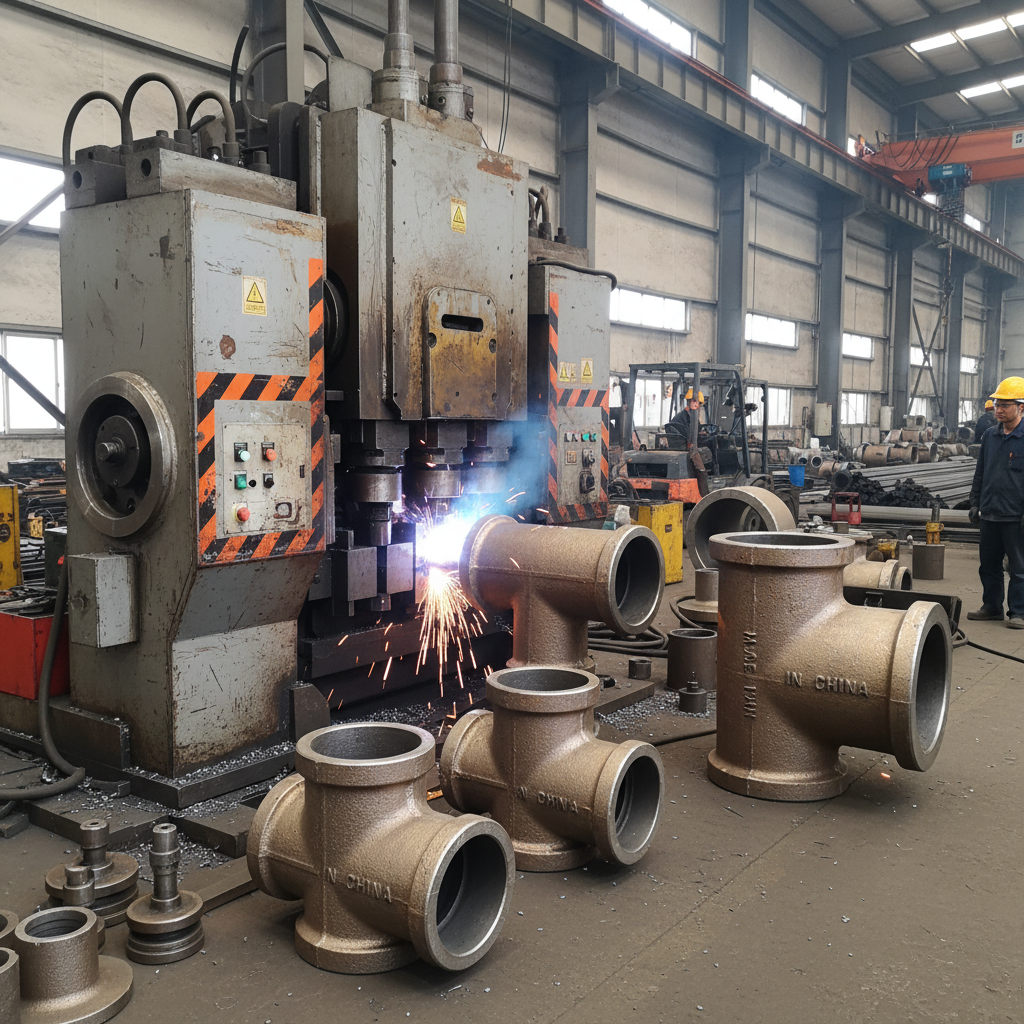
What are China Pipe Laterals Fittings?
China pipe laterals fittings encompass a wide array of components used to connect, terminate, or redirect pipelines. These fittings, produced by numerous manufacturers across China, are utilized in diverse applications, including water distribution, sewage systems, irrigation, chemical processing, and oil & gas industries. Common types include elbows, tees, couplings, reducers, flanges, and specialized lateral connections. The appeal of pipe laterals fittings from China lies in their competitive pricing, broad availability, and increasingly, their adherence to international quality standards.
Key Advantages: Competitive pricing, wide product range, increasing adherence to international standards, and significant manufacturing capacity.
Materials Used in China Pipe Laterals Fittings
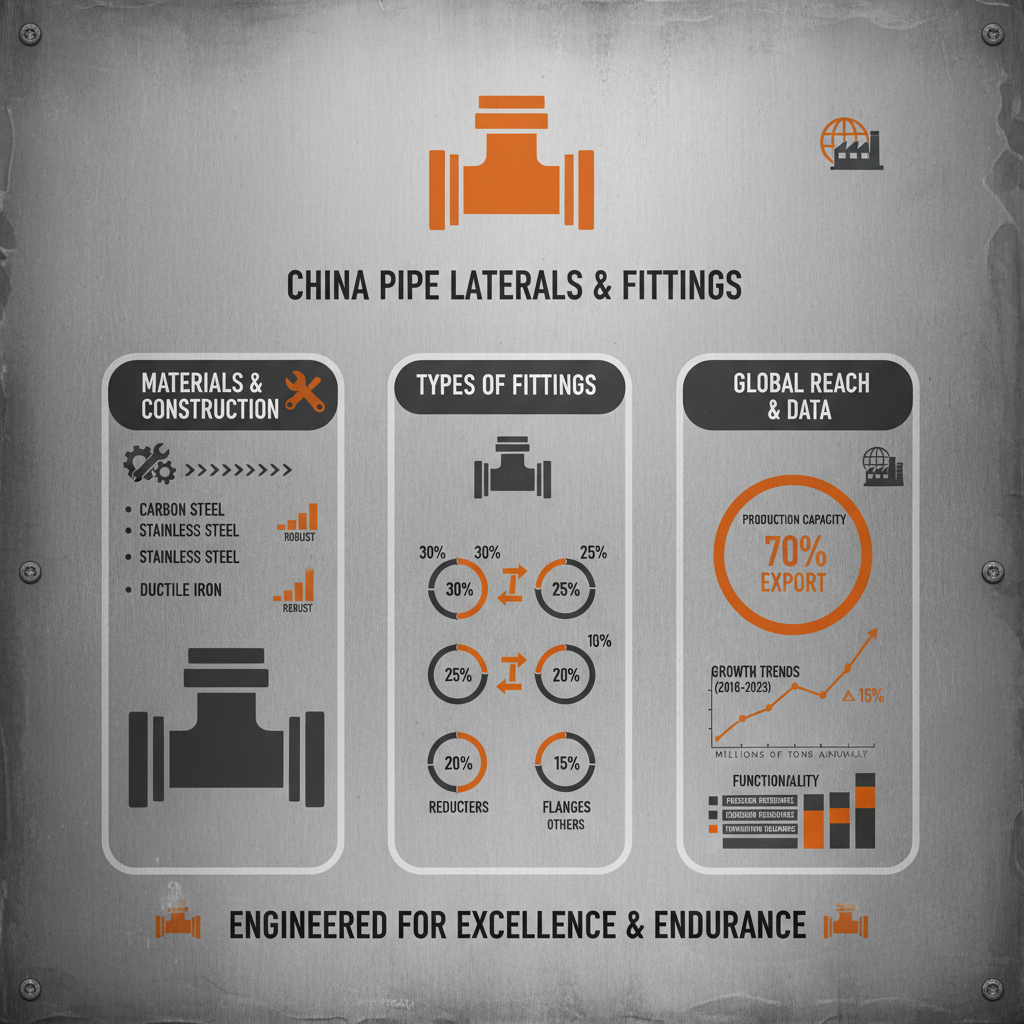
The materials used in manufacturing china pipe laterals fittings are crucial to their performance and longevity. Common materials include:
- Ductile Iron: Known for its strength, durability, and corrosion resistance.
- PVC (Polyvinyl Chloride): Lightweight, cost-effective, and suitable for non-pressurized systems.
- CPVC (Chlorinated Polyvinyl Chloride): Similar to PVC but with higher temperature resistance.
- Stainless Steel: Exceptional corrosion resistance, ideal for demanding applications.
- Carbon Steel: Strong and affordable, often used with protective coatings.
The choice of material depends heavily on the specific application, fluid type, pressure requirements, and environmental conditions.
Material Selection Guide:
• Water & Sewage: Ductile Iron, PVC, CPVC
• Chemical Processing: Stainless Steel, CPVC
• Oil & Gas: Carbon Steel (with coating), Stainless Steel
China Pipe Laterals Fittings: Quality Standards and Certifications
Ensuring quality is paramount when sourcing pipe laterals fittings from China. Look for manufacturers that adhere to recognized international standards and possess relevant certifications. Key certifications to verify include:
- ISO 9001: Quality Management System
- ANSI/ASME: American National Standards Institute / American Society of Mechanical Engineers
- DIN: German Institute for Standardization
- BS: British Standards
- API: American Petroleum Institute (for oil & gas applications)
Requesting documentation proving adherence to these standards and conducting third-party inspections are crucial steps in mitigating quality risks.
Navigating the Import Process from China
Importing china pipe laterals fittings requires meticulous attention to import regulations, customs duties, and shipping logistics. Key considerations include:
- Incoterms: Clearly define responsibilities for shipping, insurance, and customs clearance (e.g., FOB, CIF, DDP).
- Customs Documentation: Accurate invoices, packing lists, and certificates of origin are essential.
- Tariff Codes: Correctly classify your fittings to determine applicable duty rates.
- Shipping: Choose a reliable freight forwarder with experience in handling imports from China.
Conclusion: Sourcing Reliable China Pipe Laterals Fittings
Sourcing china pipe laterals fittings presents significant opportunities for cost savings and access to a wide product range. However, success depends on careful due diligence, stringent quality control, and a thorough understanding of the import process. By partnering with reputable manufacturers like HBYS Valves and adhering to best practices, you can secure reliable supplies and optimize your supply chain.
Frequently Asked Questions (FAQs)
What are the typical lead times for orders from China?
Lead times can vary significantly depending on the complexity of the order, the manufacturer's production schedule, and shipping method. Generally, expect a lead time of 4-8 weeks for standard fittings. Customized fittings may require longer lead times. It's crucial to discuss lead times with the supplier upfront and factor in potential delays due to unforeseen circumstances, such as factory shutdowns or port congestion. Effective communication and proactive planning are key to minimizing disruptions.
What payment methods are commonly used when purchasing from Chinese suppliers?
Common payment methods include Letter of Credit (LC), Telegraphic Transfer (TT), and increasingly, platforms like Alibaba Trade Assurance. LC offers the highest level of security but is also the most complex and expensive. TT is simpler but carries higher risk for the buyer. Alibaba Trade Assurance provides a degree of protection by holding the payment until the goods are shipped and inspected. It’s important to negotiate payment terms that balance security and convenience.
How can I verify the reliability of a Chinese supplier?
Verifying a supplier's reliability is critical. Check their business license, conduct a factory audit (either yourself or through a third-party inspection service), and request references from other customers. Review their online reputation and look for certifications. Communication responsiveness and willingness to provide detailed information are also positive indicators. A reputable supplier will be transparent and proactive in addressing your concerns.
-
China Extended Body Gate Valves A Comprehensive Guide To Selection And ApplicationTin tứcFeb.11,2026
-
Comprehensive Guide to China 3 Inch Butterfly Valve Selection and ApplicationsTin tứcJan.30,2026
-
Comprehensive Guide to Pipe Adaptors and Fittings for Efficient SystemsTin tứcJan.28,2026
-
Comprehensive Guide to Pipe T Fittings for Plumbing and Fluid Transfer SystemsTin tứcJan.28,2026
-
Comprehensive Guide to Union Pipe Fitting Selection and ApplicationsTin tứcJan.27,2026
-
Comprehensive Guide to China Angle Globe Valves for Industrial ApplicationsTin tứcJan.27,2026
-
China 4 Inch Drainage Pipe Fittings: A Buyer's GuideTin tứcJan.25,2026
 Vietnamese
 Afrikaans
  Albanian
  Amharic
  Arabic
  Armenian
  Azerbaijani
  Basque
  Belarusian
  Bengali
  Bosnian
  Bulgarian
  Catalan
  Cebuano
  Croatian
  Czech
Czech  Danish
  Dutch
Dutch  English Esperanto
  Estonian
  Finnish
  French
  Frisian
  Galician
  Georgian
  German
  Greek
Greek  Gujarati
  Hebrew
  Hindi
Hindi  Hungarian
  Icelandic
  Indonesian
  Italian
  Japanese
  Kannada
  Kazakh
  Khmer
Khmer  Korean
  Kurdish
  Lao
Lao  Latvian
  Lithuanian
  Macedonian
  Malay
Malay  Malayalam
  Marathi
  Mongolian
  Myanmar
  Nepali
  Norwegian
  Pashto
  Persian
  Polish
  Portuguese
  Panjabi
  Romanian
  Russian
  Scottish Gaelic
  Serbian
  Sinhala
  Slovak
  Slovenian
  Spanish
  Swahili
  Swedish
  Tagalog
  Tamil
Tamil  Tatar
Tatar  Telugu
  Thai
Thai  Turkish
  Ukrainian
  Urdu
Urdu  Uighur
  Uzbek
Uzbek  Welsh
Welsh