 86-312-8695888
 86-13722963501
 info@hbysindustry.com
-
 africana
-
 albanès
-
 amàric
-
 àrab
àrab
-
 armeni
-
 azerbaidjana
-
 basc
basc
-
 Bielorús
-
 bengalí
-
 bosnià
-
 búlgar
-
 català
-
 Cebuà
Cebuà
-
 Cors
Cors
-
 croat
croat
-
 txec
txec
-
 danès
danès
-
 holandès
-
 Anglès
-
 esperanto
-
 estonià
-
 finès
finès
-
 francès
-
 frisó
frisó
-
 gallec
-
 georgiana
-
 alemany
-
 grec
grec
-
 Gujarati
-
 crioll haitiano
-
 hausa
hausa
-
 hawaià
-
 hebreu
-
 No
No
-
 Miao
Miao
-
 hongarès
-
 islandès
-
 igbo
igbo
-
 indonesi
-
 irlandesa
-
 italià
-
 japonès
-
 javanès
-
 Kannada
-
 kazakh
-
 Khmer
Khmer
-
 Ruandès
-
 coreà
coreà
-
 kurd
kurd
-
 kirguis
-
 TB
TB
-
 llatí
llatí
-
 letó
letó
-
 lituà
lituà
-
 luxemburguesa
-
 macedoni
-
 Malgashi
-
 Malai
Malai
-
 malayalam
-
 maltès
-
 Maori
Maori
-
 Marathi
-
 mongol
-
 Myanmar
-
 nepalí
-
 noruec
-
 noruec
-
 occità
-
 Pashto
-
 persa
persa
-
 polonès
-
 portuguès
-
 panjabi
-
 romanès
-
 rus
rus
-
 samoà
samoà
-
 Gaèlic escocès
-
 serbi
serbi
-
 Anglès
-
 Shona
Shona
-
 Sindhi
-
 Sinhala
-
 eslovac
-
 eslovè
-
 Somali
-
 espanyol
-
 Sundanès
-
 suahili
-
 suec
suec
-
 Tagalog
-
 Tadjik
-
 Tamil
Tamil
-
 Tàrtar
-
 Telugu
-
 tailandès
-
 turc
turc
-
 turcomà
-
 Ucraïnès
-
 Urdú
Urdú
-
 uigur
uigur
-
 Uzbek
Uzbek
-
 vietnamita
-
 gal·lès
-
 Ajuda
Ajuda
-
 Yiddish
-
 ioruba
-
 Zulu
Zulu


Wafer Type Butterfly Valve | Compact, Tight-Seal, ISO 5211
D71X Wafer Centerline Butterfly Valve: field notes from the waterworks
I’ve spent a lot of time in pump rooms and on job sites where a simple component determines whether a whole system behaves. One of those quiet heroes is the wafer type butterfly valve. The D71X-10/10Q/16/16Q Wafer Centerline Butterfly Valve from Baoding, Hebei (yes, that’s the factory at North Guzhuangying Village, Ansu Town, Xushui District) is a solid example of why this design keeps winning in municipal and HVAC jobs. Medium: water. Temperature: ≤80 °C. Pressure ratings: PN10–PN16. Straightforward, dependable.
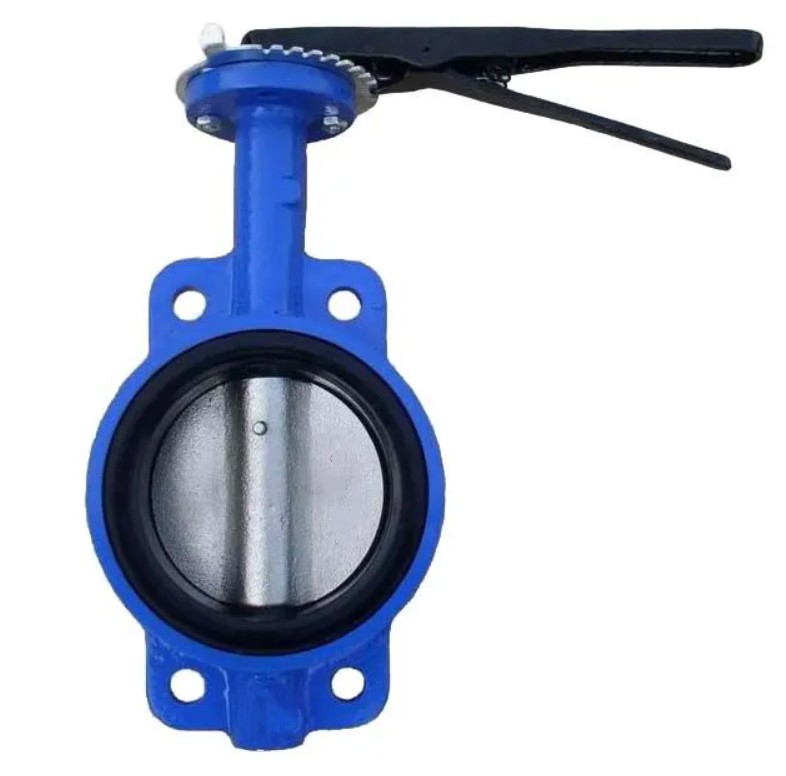
Why the market keeps choosing the wafer type butterfly valve
Urban water grids are getting denser; plants want lower head losses and easier maintenance. Wafer bodies save space between flanges, keep inventory simple, and—when rubber-seated—achieve tight shutoff without exotic materials. In fact, procurement teams like the cost-per-installed-inch, while maintenance teams like that you can swap a lever for a gearbox or actuator without re-piping.
Key specs at a glance
| Model | D71X-10 / 10Q / 16 / 16Q |
| Size range | DN40–DN1000 |
| Pressure rating | PN10 (1.0 MPa) / PN16 (1.6 MPa) |
| Medium / Temp. | Water, ≤80 °C |
| Body material | Gray cast iron or ductile (nodular) cast iron |
| Connection | Wafer, centered, fits common flange standards |
| Seat / disc options | Typically EPDM/NBR seat, SS or coated iron disc (confirm per order) |
Real-world fit may vary by flange standard and gasket stack-up; verify dimensions.
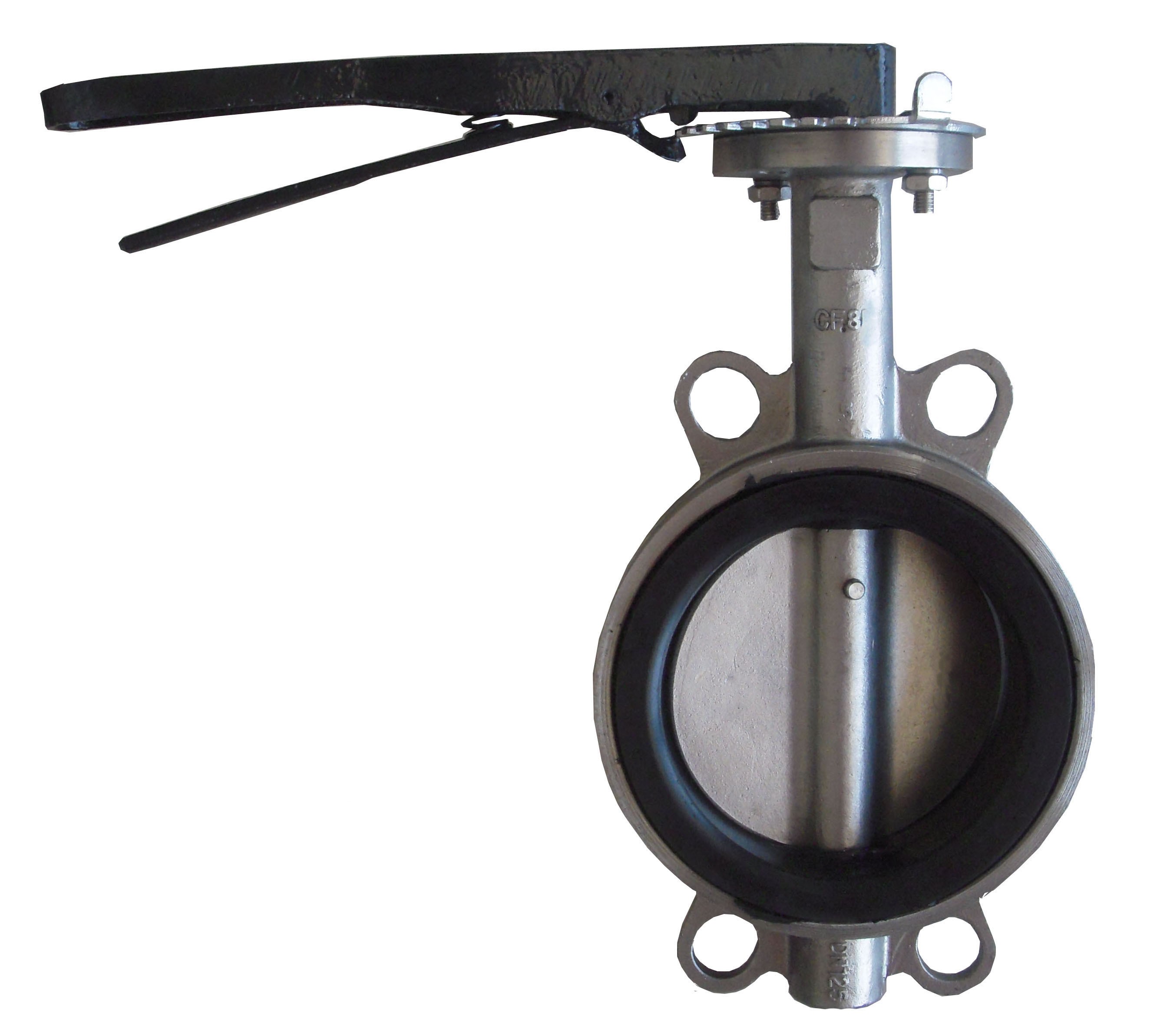
Process flow, testing, and service life
Casting (gray or ductile iron) → precision machining → seat molding/fit-up → assembly → coating (often epoxy) → pressure testing. For pressure tests, I’ve seen these run to EN 12266-1/ISO 5208 Rate A (tight shutoff) and API 598 methodologies. Typical PN16 data: shell at ≈2.4 MPa; seat test ≈1.76 MPa; acceptance: zero visible leakage on water. Service life? Around 10–15 years in municipal water, assuming moderate cycling and clean media—though, to be honest, abrasive fines can shorten that.
Where a wafer type butterfly valve shines
- Municipal water distribution and treatment skids
- HVAC chilled and condenser water loops
- Light industrial utilities and irrigation manifolds
- Fire water bypasses and isolation (verify local codes)
Installers like the centered disc and slim profile; operators like the consistent torque. Many customers say the lever action on DN≤200 is “predictable,” while larger sizes with gearboxes feel smoother in throttling—though remember, throttling with resilient seats is a compromise.
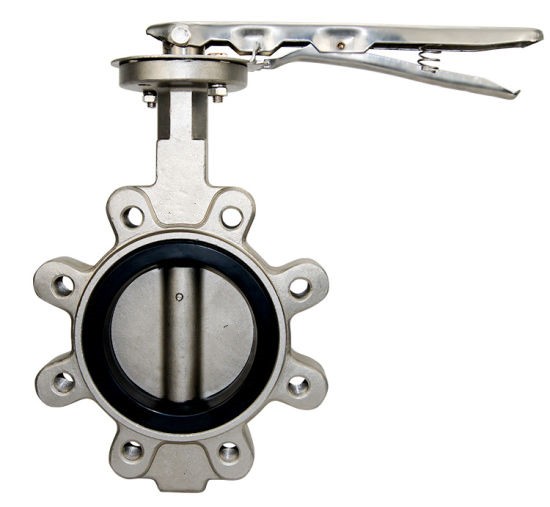
Vendor snapshot (my quick comparison)
| Vendor | Pressure | Sizes | Certs / Docs | Notes |
|---|---|---|---|---|
| HBYS (Baoding, China) | PN10/PN16 | DN40–DN1000 | ISO 9001 (factory), EN 10204 3.1 on request | Good value; flexible customization |
| Regional Brand A | PN16 | DN50–DN600 | EN 593/API 609 design conformance | Short lead times, higher price |
| Importer B | PN10 | DN40–DN300 | Basic test reports | Budget option; verify coatings |
Customization and integration
Options typically include: lever/gearbox/actuator-ready pad (ISO 5211), EPDM vs NBR seats, stainless or coated discs, epoxy thickness adjustments, handle locking, and position indicators. For automation, I’d spec a torque margin of ≈30% over breakaway—real-world deposits add friction.
Two quick case notes
Baoding pump station upgrade: 200 units (DN300 PN16). Factory seat test at 1.76 MPa, zero visible leakage; after 6 months, operators report steady torque and no bypass at shutoff.
HVAC retrofit, coastal mall: DN150–DN250. Switched levers to gearboxes to fine-tune balancing; epoxy coating held up well—though, actually, they added strainers upstream to keep sand out. Smart move.
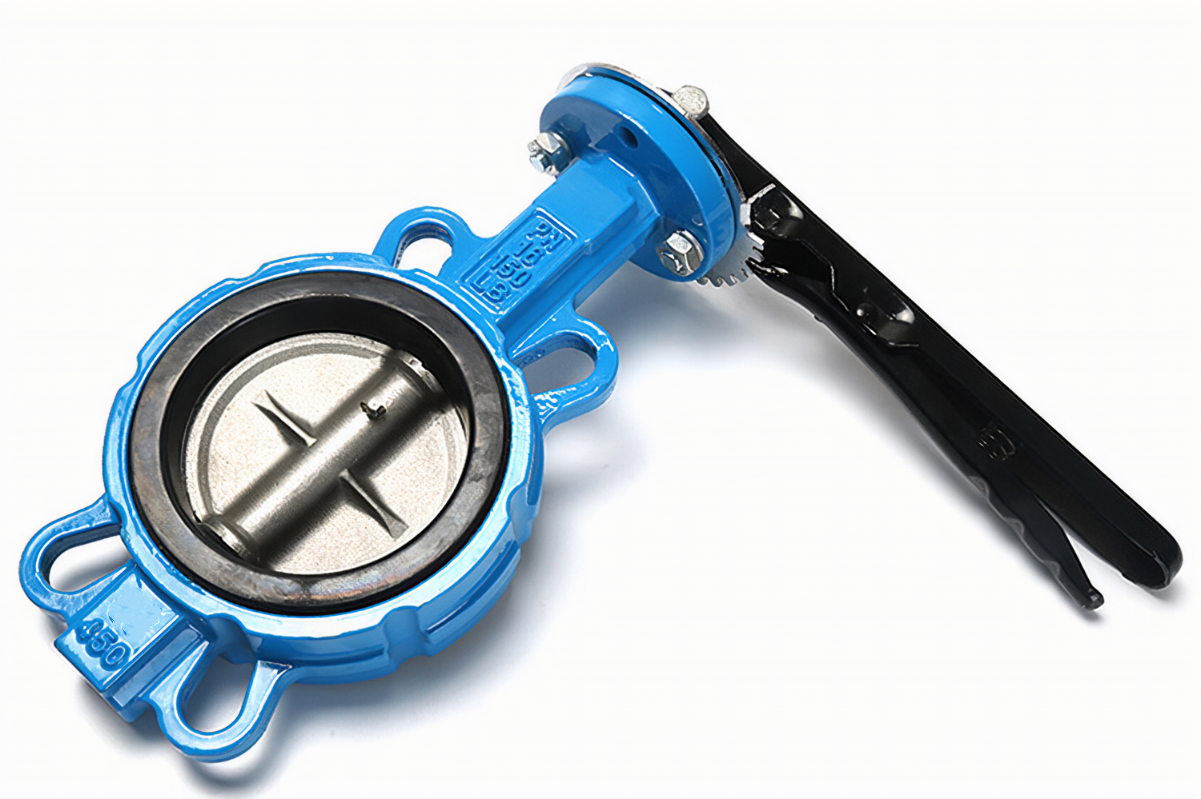
Compliance, standards, and what to verify
- Design/selection reference: EN 593 and API 609 Cat. A for resilient-seated butterfly valves
- Pressure test: EN 12266-1 / ISO 5208 (Rate A leak tightness)
- General test: API 598
- Docs you can request: material certs (EN 10204 3.1), coating data, dimensional drawings, QMS certificate
Origin: North Guzhuangying Village, Ansu Town, Xushui District, Baoding City, Hebei Province, China.
Authoritative citations
- EN 593: Industrial valves – Metallic butterfly valves.
- API 609: Butterfly Valves: Double-flanged, Lug- and Wafer-type (Category A/B).
- EN 12266-1 / ISO 5208: Industrial valves – Pressure testing of metallic valves.
- API 598: Valve Inspection and Test.
-
Comprehensive Guide to China Pipe Laterals Fittings for Global Trade ApplicationsNotíciesFeb.24,2026
-
China Extended Body Gate Valves A Comprehensive Guide To Selection And ApplicationNotíciesFeb.11,2026
-
Comprehensive Guide to China 3 Inch Butterfly Valve Selection and ApplicationsNotíciesJan.30,2026
-
Comprehensive Guide to Pipe Adaptors and Fittings for Efficient SystemsNotíciesJan.28,2026
-
Comprehensive Guide to Pipe T Fittings for Plumbing and Fluid Transfer SystemsNotíciesJan.28,2026
-
Comprehensive Guide to Union Pipe Fitting Selection and ApplicationsNotíciesJan.27,2026
-
Comprehensive Guide to China Angle Globe Valves for Industrial ApplicationsNotíciesJan.27,2026
 Catalan
 Afrikaans
  Albanian
  Amharic
  Arabic
  Armenian
  Azerbaijani
  Basque
  Belarusian
  Bengali
  Bosnian
  Bulgarian
  Cebuano
  Croatian
  Czech
Czech  Danish
  Dutch
Dutch  English Esperanto
  Estonian
  Finnish
  French
  Frisian
  Galician
  Georgian
  German
  Greek
Greek  Gujarati
  Hebrew
  Hindi
Hindi  Hungarian
  Icelandic
  Indonesian
  Italian
  Japanese
  Kannada
  Kazakh
  Khmer
Khmer  Korean
  Kurdish
  Lao
Lao  Latvian
  Lithuanian
  Macedonian
  Malay
Malay  Malayalam
  Marathi
  Mongolian
  Myanmar
  Nepali
  Norwegian
  Pashto
  Persian
  Polish
  Portuguese
  Panjabi
  Romanian
  Russian
  Scottish Gaelic
  Serbian
  Sinhala
  Slovak
  Slovenian
  Spanish
  Swahili
  Swedish
  Tagalog
  Tamil
Tamil  Tatar
Tatar  Telugu
  Thai
Thai  Turkish
  Ukrainian
  Urdu
Urdu  Uighur
  Uzbek
Uzbek  Vietnamese
  Welsh
Welsh