 86-312-8695888
 86-13722963501
 info@hbysindustry.com
-
 africana
-
 albanès
-
 amàric
-
 àrab
àrab
-
 armeni
-
 azerbaidjana
-
 basc
basc
-
 Bielorús
-
 bengalí
-
 bosnià
-
 búlgar
-
 català
-
 Cebuà
Cebuà
-
 Cors
Cors
-
 croat
croat
-
 txec
txec
-
 danès
danès
-
 holandès
-
 Anglès
-
 esperanto
-
 estonià
-
 finès
finès
-
 francès
-
 frisó
frisó
-
 gallec
-
 georgiana
-
 alemany
-
 grec
grec
-
 Gujarati
-
 crioll haitiano
-
 hausa
hausa
-
 hawaià
-
 hebreu
-
 No
No
-
 Miao
Miao
-
 hongarès
-
 islandès
-
 igbo
igbo
-
 indonesi
-
 irlandesa
-
 italià
-
 japonès
-
 javanès
-
 Kannada
-
 kazakh
-
 Khmer
Khmer
-
 Ruandès
-
 coreà
coreà
-
 kurd
kurd
-
 kirguis
-
 TB
TB
-
 llatí
llatí
-
 letó
letó
-
 lituà
lituà
-
 luxemburguesa
-
 macedoni
-
 Malgashi
-
 Malai
Malai
-
 malayalam
-
 maltès
-
 Maori
Maori
-
 Marathi
-
 mongol
-
 Myanmar
-
 nepalí
-
 noruec
-
 noruec
-
 occità
-
 Pashto
-
 persa
persa
-
 polonès
-
 portuguès
-
 panjabi
-
 romanès
-
 rus
rus
-
 samoà
samoà
-
 Gaèlic escocès
-
 serbi
serbi
-
 Anglès
-
 Shona
Shona
-
 Sindhi
-
 Sinhala
-
 eslovac
-
 eslovè
-
 Somali
-
 espanyol
-
 Sundanès
-
 suahili
-
 suec
suec
-
 Tagalog
-
 Tadjik
-
 Tamil
Tamil
-
 Tàrtar
-
 Telugu
-
 tailandès
-
 turc
turc
-
 turcomà
-
 Ucraïnès
-
 Urdú
Urdú
-
 uigur
uigur
-
 Uzbek
Uzbek
-
 vietnamita
-
 gal·lès
-
 Ajuda
Ajuda
-
 Yiddish
-
 ioruba
-
 Zulu
Zulu


Why Choose a Brass Gate Valve for Superior Performance and Durability
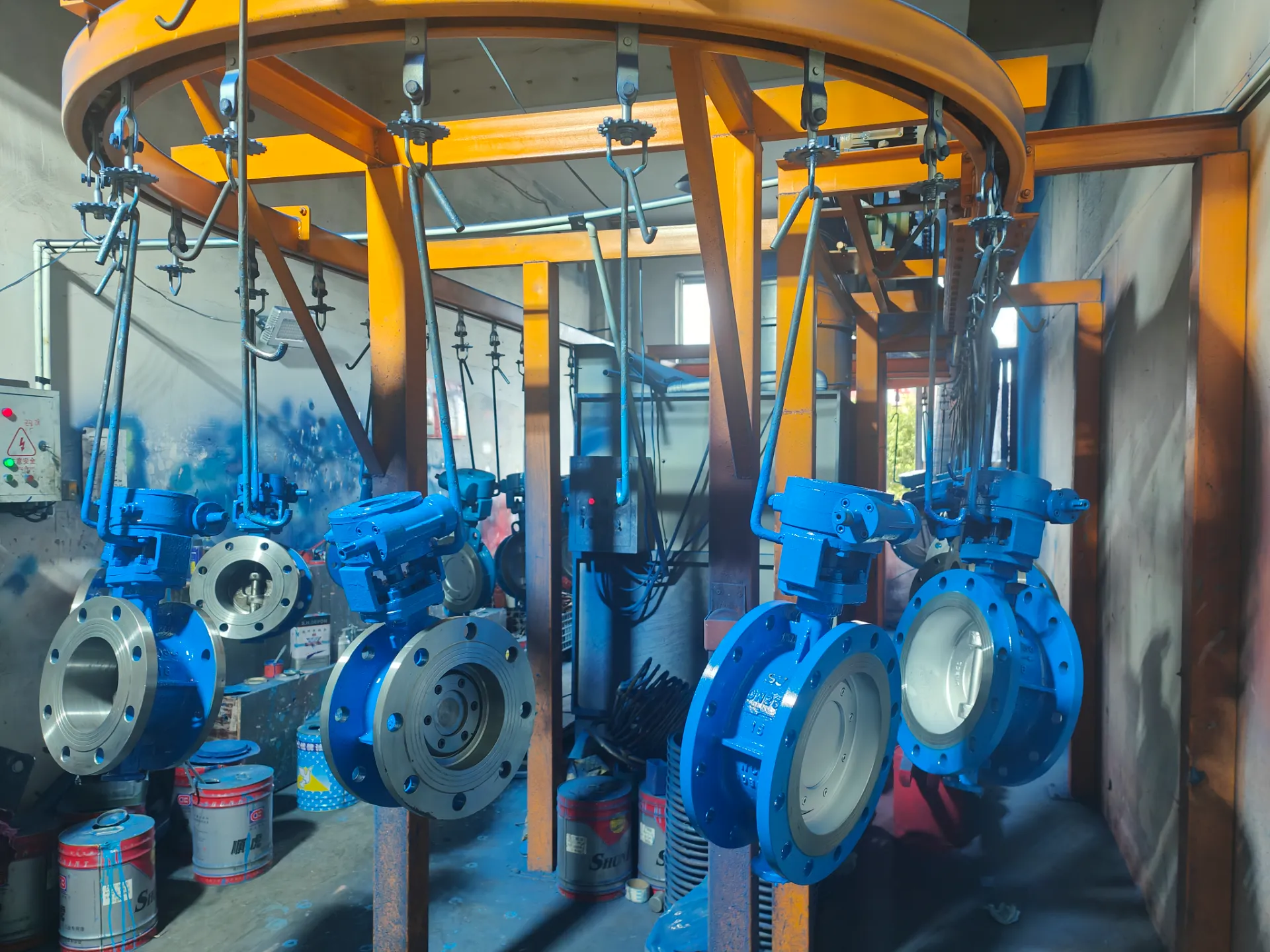
When it comes to reliable flow control solutions, few options offer the combination of affordability, performance, and versatility that the vàlvula de comporta de llautó does. Used across various industries for isolating fluids in pipelines, this valve type is renowned for its strong mechanical properties and exceptional resistance to corrosion. Whether you are looking for a trusted brass gate valve supplier or evaluating the brass gate valve price for an upcoming project, understanding the specific qualities and advantages of these valves will ensure you make an informed choice.
The Impact of Zinc Content in Brass Gate Valves on Corrosion Resistance
One of the key characteristics that set brass gate valves apart from other valve materials is their inherent corrosion resistance, which is mainly attributed to their zinc content. Brass is an alloy made primarily of copper and zinc, and the proportion of zinc can significantly affect the valve’s durability in various environments.
In general, a higher zinc content in brass valves improves their ability to resist corrosion, especially in mildly corrosive environments. However, when used in highly aggressive or saline conditions, such as in coastal regions or industrial plants with exposure to seawater, the balance of zinc is crucial. Too much zinc can lead to dezincification, where the zinc leaches out, leaving behind a porous, weakened structure that significantly reduces the valve's strength and lifespan.
For optimal performance in corrosive environments, brass gate valves are often manufactured with an ideal zinc-to-copper ratio that ensures long-term durability while minimizing the risk of dezincification. This makes them a preferred choice for industries like water treatment, oil, and gas, where valves are frequently exposed to varying environmental conditions.
Choosing a reputable brass gate valve supplier ensures that your valves are crafted using high-quality materials with the correct zinc content, giving you peace of mind regarding their corrosion resistance.
Strength Comparison: Forged Brass vs. Cast Brass Gate Valves
When selecting a vàlvula de comporta de llautó, it’s important to consider the manufacturing process and the impact it has on the valve’s strength and durability. Forged brass gate valves and cast brass gate valves are two common types, each with its own advantages.
Forged brass gate valves are made by applying high heat and pressure to the brass, which increases the metal’s density and overall strength. These valves are highly resistant to mechanical stress and are ideal for high-pressure applications where the valve needs to withstand significant force. The forging process also results in a more uniform structure, making forged valves less prone to cracking under pressure.
On the other hand, cast brass gate valves are made by pouring molten brass into molds, a process that tends to be less costly and more suitable for producing valves in larger quantities. While cast brass valves offer a reliable and affordable solution, they may not exhibit the same level of strength or resistance to extreme pressure as their forged counterparts. However, for many standard applications, cast brass provides excellent durability and is a highly cost-effective option.
The choice between forged and cast brass gate valves often comes down to the specific needs of your application. For projects requiring high strength and durability under pressure, forged brass is the ideal option. For applications where cost is a greater concern, a cast brass gate valve may provide sufficient performance.
The Service Life of Brass Gate Valves in Seawater Environments
The service life of any valve depends heavily on the environment in which it operates. Brass gate valves are often used in industries such as marine engineering, desalination plants, and offshore oil rigs, where they come into direct contact with seawater.
Seawater environments are highly corrosive due to the combination of salt and other minerals, which can rapidly degrade the materials used in standard valves. However, brass gate valves are known for their superior resistance to seawater corrosion compared to other metal alloys. The copper content in brass forms a protective patina over time, which helps shield the valve from the corrosive effects of saltwater. As a result, these valves can offer a much longer service life than many other materials, even in demanding environments.
To maximize the service life of a vàlvula de comporta de llautó in seawater, it is essential to select a valve with the correct alloy composition. Some manufacturers even offer valves with additional corrosion-resistant coatings to further extend their lifespan in highly corrosive environments. By investing in high-quality brass gate valves, you can reduce maintenance costs and avoid frequent valve replacements, ultimately improving the efficiency and reliability of your system.
Factors Influencing Brass Gate Valve Price
When purchasing a vàlvula de comporta de llautó, one of the key factors that may influence your decision is the brass gate valve price. While brass is generally more affordable than stainless steel or other exotic materials, various factors can affect the cost of these valves. Some of the primary considerations include:
Material Composition: As previously mentioned, the zinc-to-copper ratio can significantly impact the valve’s performance and cost. High-quality brass with optimal corrosion resistance tends to be priced higher than lower-grade brass.
Valve Size: Larger brass gate valves generally come at a higher cost due to the increased amount of material used in production. The size of the valve required for your specific application will influence the overall price.
Manufacturing Process: As noted, forged brass gate valves are typically more expensive than cast brass gate valves due to the additional labor and energy required to forge the brass. The complexity of the valve design also contributes to the overall cost.
Customizations: For specific applications, such as those involving highly corrosive substances or high-pressure systems, custom features like additional coatings or specialized seals may be necessary, which can increase the price.
By understanding these factors, you can make a more informed decision when comparing brass gate valve price options, ensuring you get the best value for your investment.
Brass Gate Valve FAQs
What are the benefits of choosing a vàlvula de comporta de llautó?
Brass gate valves are cost-effective, corrosion-resistant, and durable, making them an excellent choice for controlling the flow of water and other fluids in pipelines across various industries.
How does the zinc content in brass affect the valve’s performance?
The zinc content determines the brass alloy’s corrosion resistance. Properly balanced zinc prevents dezincification, ensuring the valve lasts longer, even in mildly corrosive environments.
What is the difference between forged brass and cast brass gate valves?
Forged brass valves are stronger and more resistant to pressure, making them suitable for high-stress applications. Cast brass valves are more affordable and suitable for standard applications with moderate pressure requirements.
How long do brass gate valves last in seawater environments?
Brass gate valves are highly resistant to seawater corrosion, offering a long service life when properly selected and maintained, particularly in marine and offshore applications.
What factors influence the brass gate valve price?
Key factors include the material composition, valve size, manufacturing process, and any customizations required for specific applications.
-
Comprehensive Guide to China Pipe Laterals Fittings for Global Trade ApplicationsNotíciesFeb.24,2026
-
China Extended Body Gate Valves A Comprehensive Guide To Selection And ApplicationNotíciesFeb.11,2026
-
Comprehensive Guide to China 3 Inch Butterfly Valve Selection and ApplicationsNotíciesJan.30,2026
-
Comprehensive Guide to Pipe Adaptors and Fittings for Efficient SystemsNotíciesJan.28,2026
-
Comprehensive Guide to Pipe T Fittings for Plumbing and Fluid Transfer SystemsNotíciesJan.28,2026
-
Comprehensive Guide to Union Pipe Fitting Selection and ApplicationsNotíciesJan.27,2026
-
Comprehensive Guide to China Angle Globe Valves for Industrial ApplicationsNotíciesJan.27,2026
 Catalan
 Afrikaans
  Albanian
  Amharic
  Arabic
  Armenian
  Azerbaijani
  Basque
  Belarusian
  Bengali
  Bosnian
  Bulgarian
  Cebuano
  Croatian
  Czech
Czech  Danish
  Dutch
Dutch  English Esperanto
  Estonian
  Finnish
  French
  Frisian
  Galician
  Georgian
  German
  Greek
Greek  Gujarati
  Hebrew
  Hindi
Hindi  Hungarian
  Icelandic
  Indonesian
  Italian
  Japanese
  Kannada
  Kazakh
  Khmer
Khmer  Korean
  Kurdish
  Lao
Lao  Latvian
  Lithuanian
  Macedonian
  Malay
Malay  Malayalam
  Marathi
  Mongolian
  Myanmar
  Nepali
  Norwegian
  Pashto
  Persian
  Polish
  Portuguese
  Panjabi
  Romanian
  Russian
  Scottish Gaelic
  Serbian
  Sinhala
  Slovak
  Slovenian
  Spanish
  Swahili
  Swedish
  Tagalog
  Tamil
Tamil  Tatar
Tatar  Telugu
  Thai
Thai  Turkish
  Ukrainian
  Urdu
Urdu  Uighur
  Uzbek
Uzbek  Vietnamese
  Welsh
Welsh