 86-312-8695888
 86-13722963501
 info@hbysindustry.com
-
 آفریقایی
-
 آلبانیایی
-
 آمهری
آمهری
-
 عربی
عربی
-
 ارمنی
ارمنی
-
 آذربایجانی
-
 باسکی
باسکی
-
 بلاروسی
-
 بنگالی
-
 بوسنیایی
-
 بلغاری
-
 کاتالان
-
 سبوانو
-
 کورسی
کورسی
-
 کروات
کروات
-
 کشور چک
-
 دانمارکی
-
 هلندی
هلندی
-
 انگلیسی
-
 اسپرانتو
-
 استونیایی
-
 فنلاندی
-
 فرانسوی
-
 فریزی
فریزی
-
 گالیسیایی
-
 گرجی
گرجی
-
 آلمانی
-
 یونانی
-
 گجراتی
-
 کریول هائیتی
-
 هاوسا
هاوسا
-
 هاوایی
-
 عبری
عبری
-
 جواب منفی
-
 میائو
میائو
-
 مجارستانی
-
 ایسلندی
-
 igbo
igbo
-
 اندونزیایی
-
 ایرلندی
-
 ایتالیایی
-
 ژاپنی
ژاپنی
-
 جاوه ای
-
 کانادا
-
 قزاقی
قزاقی
-
 خمر
خمر
-
 رواندا
-
 کره ای
-
 کردی
کردی
-
 قرقیزستان
-
 سل
سل
-
 لاتین
لاتین
-
 لتونی
لتونی
-
 لیتوانیایی
-
 لوگزامبورگی
-
 مقدونی
-
 مالگاشی
-
 مالایی
-
 مالایایی
-
 مالتی
مالتی
-
 مائوری
-
 مراتی
مراتی
-
 مغولی
مغولی
-
 میانمار
-
 نپالی
نپالی
-
 نروژی
نروژی
-
 نروژی
نروژی
-
 اکسیتان
-
 پشتو
پشتو
-
 فارسی
فارسی
-
 لهستانی
-
 پرتغالی
-
 پنجابی
-
 رومانیایی
-
 روسی
روسی
-
 ساموآ
ساموآ
-
 گیلیک اسکاتلندی
-
 صربی
صربی
-
 انگلیسی
-
 شونا
شونا
-
 سندی
سندی
-
 سینهالی
-
 اسلواکی
-
 اسلوونیایی
-
 سومالی
-
 اسپانیایی
-
 ساندانی
-
 سواحیلی
-
 سوئدی
سوئدی
-
 تاگالوگ
-
 تاجیک
تاجیک
-
 تامیل
تامیل
-
 تاتاری
-
 تلوگو
تلوگو
-
 تایلندی
-
 ترکی
ترکی
-
 ترکمن
ترکمن
-
 اوکراینی
-
 اردو
اردو
-
 اویغور
-
 ازبکستان
-
 ویتنامی
-
 ولز
ولز
-
 کمک
کمک
-
 ییدیش
ییدیش
-
 یوروبا
-
 زولو
زولو


Blind Flange Supplier | High-Pressure, Leak-Proof, ANSI/ASME
GOST 12836 PN 2.5–PN4.0 Blind Flange, straight from Hebei
If you’ve ever had to cap a pipeline in a tight shutdown window, you know the humble Blind Flange can make or break the schedule. This one comes out of North Guzhuangying Village, Ansu Town, Xushui District, Baoding, Hebei—an area that, to be honest, has quietly become an engine for Eastern European and CIS pipeline hardware. Standard is GOST 12836; pressure classes run PN6 up to PN63 (yes, PN2.5 and PN40 options are doable), and sizes DN15–DN500. I’ve walked these shops; the routine is rigorous and—surprisingly—pretty nimble.
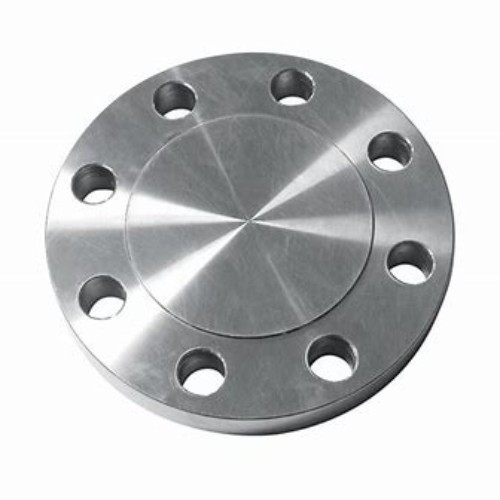
What it is and why buyers pick it
A Blind Flange closes the line for pressure testing, isolation, or future tie-ins. Compared with temporary caps, it’s safer at higher PN ratings, easier to re-open, and—if machined right—keeps gasket stress uniform. Many customers say they like the predictable bolt stress and the fact that inspection teams accept it without fuss.
Key Specifications (GOST 12836)
| Standard | GOST 12836; interfaces per project drawing, alignment with GOST 33259 in many builds |
| Pressure rating | PN6, PN10, PN16, PN25, PN40, PN63 (PN2.5/PN4.0 on request) |
| Size range | DN15–DN500 |
| تایپ کنید | BLIND (solid plate), raised-face or flat-face as specified |
| Materials | CS: CT20, 16Mn; SS: 304/304L, 316/316L |
| Coating | Rust‑proof oil; custom paint or zinc options available |
| Surface finish | Sealing face ≈ Ra 3.2–6.3 μm (real-world use may vary by gasket) |
| Docs & testing | EN 10204 3.1, dimensional checks, PMI (SS), UT on plate, hydro proof ≈ 1.5×PN on request |
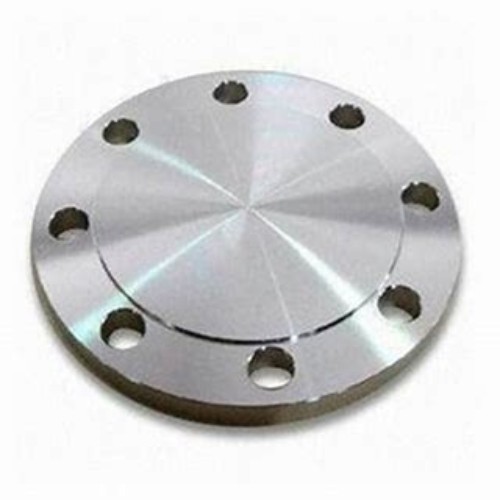
Process flow, briefly
- Material prep: mill cert review (CT20/16Mn or 304/316), UT screening; cut-to-size.
- Machining: OD, thickness, bolt circle; RF/FF surfacing; deburr and stamp.
- Treatments: stress relief for thick sections; rust‑proof oil or paint.
- Quality: dimensional gauges per GOST 12836; surface roughness check; hardness sampling (CS ≈ HB 120–180).
- Testing: hydro proof test (where specified); PMI for stainless; packaging with edge guards.
Service life? In benign media, a carbon‑steel Blind Flange can run 20–30 years; stainless often longer, corrosion permitting.
Where it’s used
Refining turnarounds, gas distribution headers, district heating loops, chemical isolation spools, and test packages. I guess the most common use I see is pressure testing new branches before tie-in—quick, safe, reversible.
Vendor snapshot (selection)
| Vendor | Coverage | Lead time | Certs | Notes |
|---|---|---|---|---|
| Hebei HBYS Valves (factory) | DN15–DN500, PN6–PN63 | ≈ 10–20 days | ISO 9001, EN 10204 3.1; EAC on request | Strong on GOST machining, flexible MOQ |
| Moscow Stockist A | Common DN/PN in stock | Same-week | EAC | Fast but limited materials |
| Trading Co. B | Wide PN, mixed sourcing | ≈ 3–5 weeks | Varies | Check drawings carefully |

Customization
Non-standard thickness for high gasket stress? Spiral-wound compatibility grooves? Marking to Russian/CIS conventions? All are routine. For sour service, a 316L Blind Flange with low-ferrite control and PMI is typical.
Mini case notes
District Heating, DN400 PN16: 16Mn Blind Flange, RF finish Ra ≈ 3.2 μm, hydro proof at 24 bar for 10 min—no seepage. Client feedback: “Bolting lined up first shot.”
Chemical Tie‑in, DN80 PN40: 316L Blind Flange for chloride media, PMI 100%, gasketed with graphite SWG. After 9 months, flange face showed negligible wear in inspection report.
Certifications and data points
- ISO 9001 QMS; EAC availability for EEU markets.
- EN 10204 3.1 MTC; hardness and roughness logs archived per batch.
- Typical flatness tolerance held within ≈ 0.3 mm for DN≤300 (project-specific).
References
- GOST 12836 — Steel blind flanges, dimensional and technical requirements.
- GOST 33259:2015 — Steel pipe flanges, general specifications.
- EN 10204:2004 — Metallic products, types of inspection documents (3.1).
- ISO 9001:2015 — Quality management systems, requirements.
- TR CU 032/2013 — On safety of pressure equipment (EAC).
-
Comprehensive Guide to China Pipe Laterals Fittings for Global Trade ApplicationsاخبارFeb.24,2026
-
China Extended Body Gate Valves A Comprehensive Guide To Selection And ApplicationاخبارFeb.11,2026
-
Comprehensive Guide to China 3 Inch Butterfly Valve Selection and ApplicationsاخبارJan.30,2026
-
Comprehensive Guide to Pipe Adaptors and Fittings for Efficient SystemsاخبارJan.28,2026
-
Comprehensive Guide to Pipe T Fittings for Plumbing and Fluid Transfer SystemsاخبارJan.28,2026
-
Comprehensive Guide to Union Pipe Fitting Selection and ApplicationsاخبارJan.27,2026
-
Comprehensive Guide to China Angle Globe Valves for Industrial ApplicationsاخبارJan.27,2026
 Persian
 Afrikaans
  Albanian
  Amharic
  Arabic
  Armenian
  Azerbaijani
  Basque
  Belarusian
  Bengali
  Bosnian
  Bulgarian
  Catalan
  Cebuano
  Croatian
  Czech
Czech  Danish
  Dutch
Dutch  English Esperanto
  Estonian
  Finnish
  French
  Frisian
  Galician
  Georgian
  German
  Greek
Greek  Gujarati
  Hebrew
  Hindi
Hindi  Hungarian
  Icelandic
  Indonesian
  Italian
  Japanese
  Kannada
  Kazakh
  Khmer
Khmer  Korean
  Kurdish
  Lao
Lao  Latvian
  Lithuanian
  Macedonian
  Malay
Malay  Malayalam
  Marathi
  Mongolian
  Myanmar
  Nepali
  Norwegian
  Pashto
  Polish
  Portuguese
  Panjabi
  Romanian
  Russian
  Scottish Gaelic
  Serbian
  Sinhala
  Slovak
  Slovenian
  Spanish
  Swahili
  Swedish
  Tagalog
  Tamil
Tamil  Tatar
Tatar  Telugu
  Thai
Thai  Turkish
  Ukrainian
  Urdu
Urdu  Uighur
  Uzbek
Uzbek  Vietnamese
  Welsh
Welsh