 86-312-8695888
 86-13722963501
 info@hbysindustry.com
-
 آفریقایی
-
 آلبانیایی
-
 آمهری
آمهری
-
 عربی
عربی
-
 ارمنی
ارمنی
-
 آذربایجانی
-
 باسکی
باسکی
-
 بلاروسی
-
 بنگالی
-
 بوسنیایی
-
 بلغاری
-
 کاتالان
-
 سبوانو
-
 کورسی
کورسی
-
 کروات
کروات
-
 کشور چک
-
 دانمارکی
-
 هلندی
هلندی
-
 انگلیسی
-
 اسپرانتو
-
 استونیایی
-
 فنلاندی
-
 فرانسوی
-
 فریزی
فریزی
-
 گالیسیایی
-
 گرجی
گرجی
-
 آلمانی
-
 یونانی
-
 گجراتی
-
 کریول هائیتی
-
 هاوسا
هاوسا
-
 هاوایی
-
 عبری
عبری
-
 جواب منفی
-
 میائو
میائو
-
 مجارستانی
-
 ایسلندی
-
 igbo
igbo
-
 اندونزیایی
-
 ایرلندی
-
 ایتالیایی
-
 ژاپنی
ژاپنی
-
 جاوه ای
-
 کانادا
-
 قزاقی
قزاقی
-
 خمر
خمر
-
 رواندا
-
 کره ای
-
 کردی
کردی
-
 قرقیزستان
-
 سل
سل
-
 لاتین
لاتین
-
 لتونی
لتونی
-
 لیتوانیایی
-
 لوگزامبورگی
-
 مقدونی
-
 مالگاشی
-
 مالایی
-
 مالایایی
-
 مالتی
مالتی
-
 مائوری
-
 مراتی
مراتی
-
 مغولی
مغولی
-
 میانمار
-
 نپالی
نپالی
-
 نروژی
نروژی
-
 نروژی
نروژی
-
 اکسیتان
-
 پشتو
پشتو
-
 فارسی
فارسی
-
 لهستانی
-
 پرتغالی
-
 پنجابی
-
 رومانیایی
-
 روسی
روسی
-
 ساموآ
ساموآ
-
 گیلیک اسکاتلندی
-
 صربی
صربی
-
 انگلیسی
-
 شونا
شونا
-
 سندی
سندی
-
 سینهالی
-
 اسلواکی
-
 اسلوونیایی
-
 سومالی
-
 اسپانیایی
-
 ساندانی
-
 سواحیلی
-
 سوئدی
سوئدی
-
 تاگالوگ
-
 تاجیک
تاجیک
-
 تامیل
تامیل
-
 تاتاری
-
 تلوگو
تلوگو
-
 تایلندی
-
 ترکی
ترکی
-
 ترکمن
ترکمن
-
 اوکراینی
-
 اردو
اردو
-
 اویغور
-
 ازبکستان
-
 ویتنامی
-
 ولز
ولز
-
 کمک
کمک
-
 ییدیش
ییدیش
-
 یوروبا
-
 زولو
زولو


Stainless Steel Plug Valve—Leak-Tight, Corrosion-Resistant?
X43W-10P GB Stainless Steel Plug Valve: An Insider’s Take
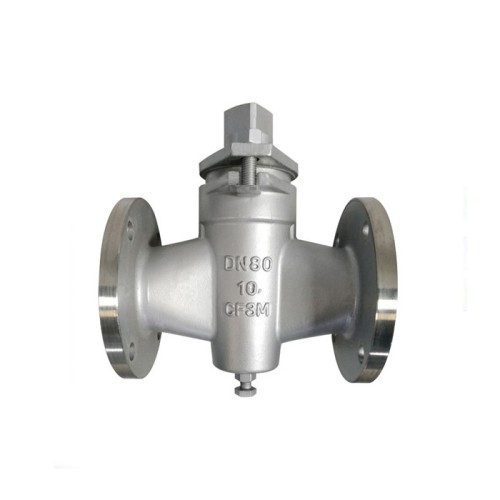
If you work around process piping long enough, you learn which hardware earns its keep. The stainless steel plug valve from HBYS has been one of those quiet, dependable pieces in utility, chemical, and even food plants across North China—and increasingly, exported. The model here is X43W-10P (GB), built to China’s National Standards and, to be honest, surprisingly versatile for a flanged plug valve.
Quick context and industry trend
The market is nudging from commodity iron valves to corrosion‑resistant stainless designs as plants push longer maintenance cycles and cleaner processes. Sleeve/seal technology, better machining, and tighter test regimes mean a modern stainless steel plug valve can hold its own against ball valves where throttling or frequent cycling is expected. Many customers say they choose plug valves for clean shutoff in mildly dirty media and easier in-line service.
Product snapshot (X43W-10P GB)
| Body material | Stainless steel (≈ CF8/CF8M class; real-world use may vary by batch) |
| Size (DN) | DN50–DN400 |
| Pressure rating | PN10–PN16 (1.0–1.6 MPa) |
| Temperature range | −29 to 200 ℃ |
| Media | Water, steam, oil, nitric acid, etc. |
| Ends / Design | Flanged; GB/National Standard design |
| Origin | North Guzhuangying Village, Ansu Town, Xushui District, Baoding, Hebei, China |
How it’s made (short version)
Materials: cast stainless body and plug, typically precision-machined; PTFE/PPL-based sleeve seats for low torque. Methods: investment casting, CNC finishing, lapped plug-to-sleeve fit, anti-blowout stem. Testing: each valve hydro-tested per GB/T 13927 and API 598; seat leakage typically reaches ISO 5208 Rate A on water. In practice, I’ve seen cycle life around 50,000–80,000 operations when media is clean and alignment is good.
Where it fits best
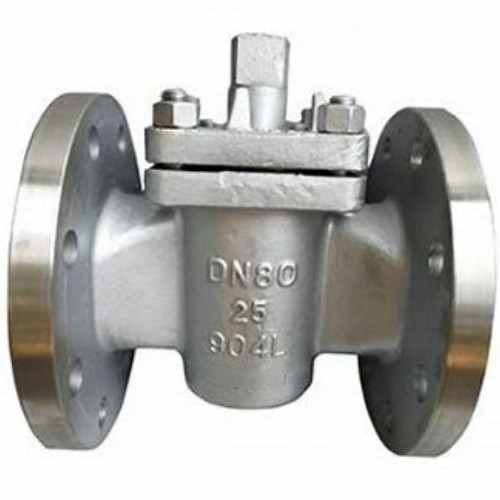
Utility water headers, condensate lines, light oils, diluted nitric acid, and general chemical lines where throttling is occasional. In food and beverage (CIP systems), the smooth bore helps. A stainless steel plug valve also behaves nicely in steam branches when temperature stays below seat limits.
Why pick a plug instead of a ball?
- Low, consistent torque due to sleeve design.
- Good sealing even with small solids (to a point).
- Compact face-to-face; easy to automate with quarter-turn actuators.
Vendor landscape (quick comparison)
| Vendor | Certs | Testing | Lead time (≈) | Customization |
| HBYS (Baoding) | ISO 9001; GB compliance | GB/T 13927, API 598 | 2–5 weeks | Seats, trim, actuators |
| Importer A | Varies by lot | API 598 (documents on request) | 6–10 weeks | Limited |
| OEM B | ISO 9001, CE (some lines) | ISO 5208 | 4–8 weeks | Medium |
Customization notes
Options include CF8M trim for acids, PPL seats for higher temps, extended stems for insulation, gear or pneumatic actuation, NACE MR0175-compliant materials for sour service, and alternative face-to-face per GB/T 12221. It seems that most buyers ask for PTFE seats and ISO 5211 mounting pads—makes automation painless.
Mini case study
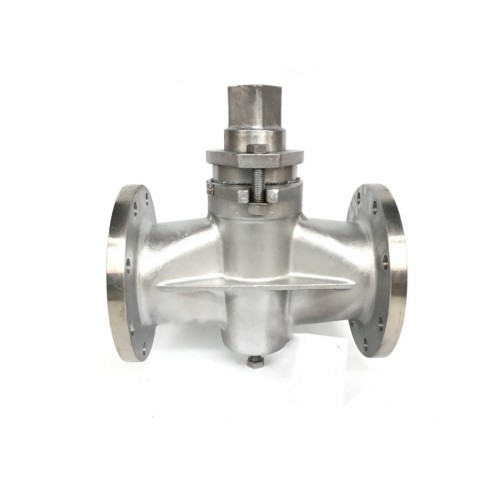
A northern chemical plant swapped aging iron valves on a diluted nitric acid loop (≈ 10–15%) for HBYS stainless steel plug valve units, DN150 PN16. After 14 months, seat leakage remained at ISO 5208 Rate A on water tests; torque rise was modest (≈ +12%). Operators reported fewer packing touches—small win, big morale. Not flashy, but effective.
Test data (typical)
- Shell: 1.5×PN held 60 min, no visible seepage (GB/T 13927).
- Seat: 1.1×PN water, zero bubbles (ISO 5208 Rate A) on new build.
- Cycle test: 60,000 ops at 0.6 MPa water, torque drift within 15% (shop data).
References
- GB/T 13927 Industrial valves — Pressure testing.
- API 598 Valve Inspection and Testing, American Petroleum Institute.
- ISO 5208:2015 Industrial valves — Pressure testing of metallic valves.
- ASTM A351/A351M — Castings, Austenitic Steel for Pressure-Containing Parts.
- NACE MR0175 / ISO 15156 — Materials for use in H2S-containing environments.
-
Comprehensive Guide to China Pipe Laterals Fittings for Global Trade ApplicationsاخبارFeb.24,2026
-
China Extended Body Gate Valves A Comprehensive Guide To Selection And ApplicationاخبارFeb.11,2026
-
Comprehensive Guide to China 3 Inch Butterfly Valve Selection and ApplicationsاخبارJan.30,2026
-
Comprehensive Guide to Pipe Adaptors and Fittings for Efficient SystemsاخبارJan.28,2026
-
Comprehensive Guide to Pipe T Fittings for Plumbing and Fluid Transfer SystemsاخبارJan.28,2026
-
Comprehensive Guide to Union Pipe Fitting Selection and ApplicationsاخبارJan.27,2026
-
Comprehensive Guide to China Angle Globe Valves for Industrial ApplicationsاخبارJan.27,2026
 Persian
 Afrikaans
  Albanian
  Amharic
  Arabic
  Armenian
  Azerbaijani
  Basque
  Belarusian
  Bengali
  Bosnian
  Bulgarian
  Catalan
  Cebuano
  Croatian
  Czech
Czech  Danish
  Dutch
Dutch  English Esperanto
  Estonian
  Finnish
  French
  Frisian
  Galician
  Georgian
  German
  Greek
Greek  Gujarati
  Hebrew
  Hindi
Hindi  Hungarian
  Icelandic
  Indonesian
  Italian
  Japanese
  Kannada
  Kazakh
  Khmer
Khmer  Korean
  Kurdish
  Lao
Lao  Latvian
  Lithuanian
  Macedonian
  Malay
Malay  Malayalam
  Marathi
  Mongolian
  Myanmar
  Nepali
  Norwegian
  Pashto
  Polish
  Portuguese
  Panjabi
  Romanian
  Russian
  Scottish Gaelic
  Serbian
  Sinhala
  Slovak
  Slovenian
  Spanish
  Swahili
  Swedish
  Tagalog
  Tamil
Tamil  Tatar
Tatar  Telugu
  Thai
Thai  Turkish
  Ukrainian
  Urdu
Urdu  Uighur
  Uzbek
Uzbek  Vietnamese
  Welsh
Welsh