 86-312-8695888
 86-13722963501
 info@hbysindustry.com
-
 afrikai
-
 albán
albán
-
 amhara
-
 arab
arab
-
 örmény
-
 azerbajdzsáni
-
 baszk
baszk
-
 fehérorosz
-
 bengáli
-
 bosnyák
-
 bolgár
-
 katalán
-
 Cebuano
-
 korzikai
-
 horvát
-
 cseh
cseh
-
 dán
dán
-
 holland
-
 angol
angol
-
 eszperantó
-
 észt
észt
-
 finn
finn
-
 Francia
-
 fríz
fríz
-
 galíciai
-
 grúz
grúz
-
 német
német
-
 görög
görög
-
 gudzsaráti
-
 Haiti kreol
-
 hausa
hausa
-
 hawaii
-
 héber
héber
-
 Dehogy
-
 Miao
Miao
-
 Magyar
-
 izlandi
-
 igbo
igbo
-
 indonéz
-
 ír
ír
-
 olasz
olasz
-
 japán
japán
-
 jávai
jávai
-
 kannada
-
 kazah
kazah
-
 khmer
khmer
-
 ruandai
-
 koreai
-
 kurd
kurd
-
 kirgiz
-
 tuberkulózis
-
 latin
latin
-
 lett
lett
-
 litván
-
 luxemburgi
-
 macedón
-
 Malgashi
-
 maláj
maláj
-
 Malayalam
-
 máltai
-
 maori
maori
-
 marathi
-
 mongol
-
 Mianmar
-
 nepáli
-
 norvég
-
 norvég
-
 okszitán
-
 pastu
pastu
-
 perzsa
-
 fényesít
-
 portugál
-
 pandzsábi
-
 román
román
-
 orosz
orosz
-
 szamoai
-
 skót gael
-
 szerb
szerb
-
 angol
angol
-
 Shona
Shona
-
 szindhi
-
 szingaléz
-
 szlovák
-
 szlovén
-
 szomáliai
-
 spanyol
-
 szundanai
-
 szuahéli
-
 svéd
svéd
-
 tagalog
-
 tadzsik
-
 tamil
tamil
-
 tatár
tatár
-
 telugu
-
 thai
thai
-
 török
török
-
 türkmén
-
 ukrán
ukrán
-
 urdu
urdu
-
 ujgur
ujgur
-
 üzbég
üzbég
-
 vietnami
-
 walesi
-
 Segítség
-
 jiddis
-
 joruba
-
 zulu
zulu


Reducing Valve – Adjustable, Durable Pressure Control
Field Notes on Choosing the Right Reducing And Stabilizing Valve 200X
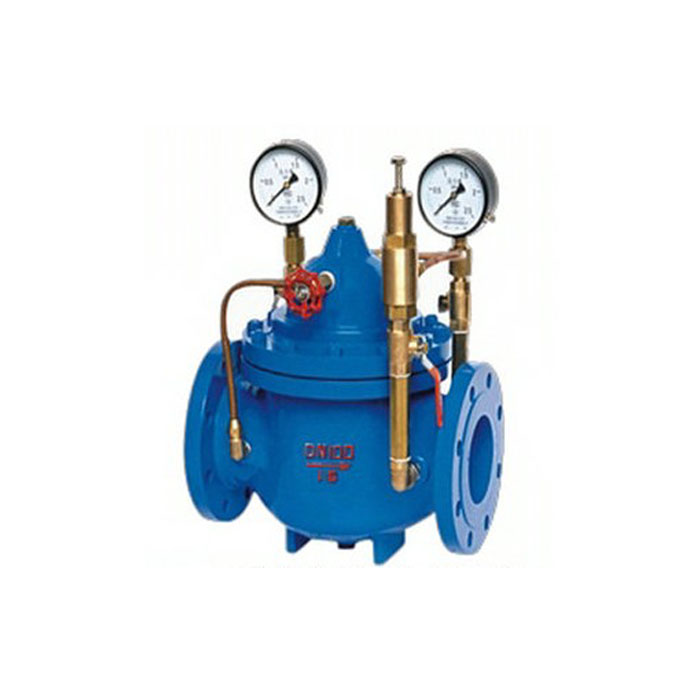
If you’re speccing a reducing valve for municipal water or a tight HVAC loop, you probably want less theory and more “what actually works.” Same here. I’ve walked enough pump rooms to know the difference between tidy schematics and real-world noise, surges, and maintenance headaches. The Reducing And Stabilizing Valve 200X from HBYS Valves—made in North Guzhuangying Village, Ansu Town, Xushui District, Baoding, Hebei, China—has been popping up a lot lately, and not by accident.
Why the 200X is getting attention
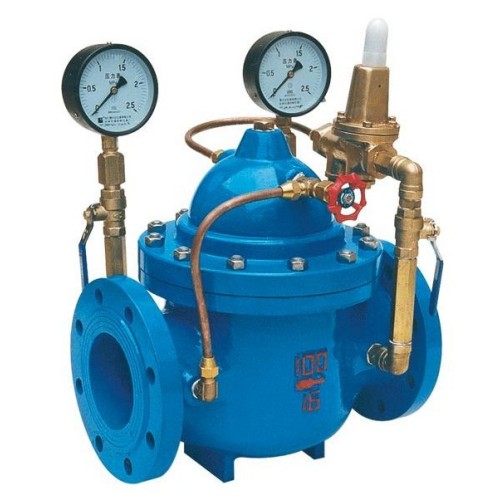
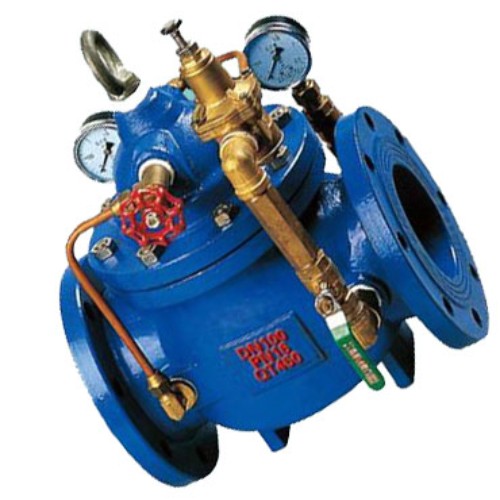
It’s a pilot-operated reducing valve, designed to hold a stable downstream pressure even when the upstream swings. Medium: water. Temperature: ≤50 ℃. Pressure class: PN10–PN25 (1.0–2.5 MPa). Caliber: DN20–450. Body: cast iron. Connection: flange. That’s the elevator pitch; the interesting part is how calmly it rides out transients. Many customers say the 200X feels “boringly stable,” which is praise in waterworks.
Key specifications (real-world oriented)
| Model | 200X Reducing & Stabilizing |
| Medium | Water (treated; non-corrosive) |
| Temperature | ≤50 ℃ (≈122 °F) |
| Pressure Range | PN10–PN25 (1.0–2.5 MPa) |
| Sizes | DN20–DN450 |
| Body Material | Cast iron (external epoxy coating ≈250 μm; real-world use may vary) |
| Ends | Flanged (EN 1092-2 / ASME B16.1 options on request) |
| Face-to-Face | ≈ ISO 5752 Series 10 (check drawing before install) |
| Service Life | Around 20–30 years with treated water and routine maintenance |
Process flow, QA, and standards
- Materials: cast iron body, stainless trim options, NBR/EPDM diaphragm (WRAS-grade elastomers available on request).
- Methods: precision casting → CNC machining → shot-blasting → epoxy powder coating → assembly → pilot calibration.
- Testing: hydrostatic shell at 1.5×PN and seat at 1.1×PN per ISO 5208 / API 598, leakage rate A target.
- Certification: ISO 9001:2015 quality system; potable-water certifications (e.g., WRAS) available depending on trim.
- Industries: municipal distribution, high-rise boosters, HVAC chilled water, irrigation districts, industrial utilities.
How it’s used (and a few field tips)
- Place a strainer upstream; isolation valves both sides—future you will thank you.
- Orientation: horizontal preferred; vertical is workable if flow direction is correct.
- Setpoint: size by flow; then tune outlet pressure under peak and off-peak to avoid hunting.
- Anti-cavitation: if ΔP is big, consider staged control or anti-cavitation trim to cut noise and wear.
Vendor landscape (quick comparison)
| Vendor | Certs | Lead Time | Customization | Notes |
|---|---|---|---|---|
| HBYS Valves (Baoding, Hebei) | ISO 9001; test per ISO 5208/API 598 | ≈3–6 weeks | DN20–450, pilot ranges, gauges, coatings | Good value; responsive on drawings |
| Vendor A (Import) | ISO 9001; CE | ≈6–10 weeks | Limited elastomer choices | Higher list price; polished datasheets |
| Vendor B (Local distributor) | Stock QA; third-party tests on request | Stock to 2 weeks | Mostly standard SKUs | Fast delivery; fewer custom options |
Customization options
Pilot spring ranges (low pressure for rooftops; higher for district mains), diaphragm in NBR/EPDM, epoxy color/thickness, pressure gauges, stainless trim. For potable projects, ask for elastomer compliance documentation before approval. It seems small, but submittals live or die on that line item.
Sample test data (project snapshots)
- DN150, PN16: inlet 1.6 MPa → outlet 0.45 MPa; flow 120 m³/h; outlet ripple ±0.02 MPa during pump changeover.
- DN80, PN25: inlet 2.2 MPa → outlet 0.8 MPa; noise reduced ≈6–8 dBA after trim tuning (operator estimate).
Case studies (short and honest)
High-rise booster, Baoding: swapped a chattering unit for a 200X reducing valve; after pilot adjustment, night-flow stability improved and maintenance logs show fewer nuisance calls. To be honest, what stood out was the quiet.
Irrigation loop, coastal project: two-stage reduction using series 200X reducing valves to limit cavitation. Not glamorous, but parts looked clean at 18-month inspection.
Bottom line
If you want a dependable reducing valve with sensible lead times and solid testing pedigree, the 200X is a practical pick. Check water quality, size for flow, leave room to service the pilot, and verify standards in the submittal. Simple, which is exactly the point.
- ISO 5208:2023, Industrial valves — Pressure testing of metallic valves.
- API 598: Valve Inspection and Test, latest edition.
- EN 1074-5: Valves for water supply — Part 5: Control valves.
- AWWA C530: Pressure-Reducing and Pressure-Sustaining Valves.
-
Comprehensive Guide to China Pipe Laterals Fittings for Global Trade ApplicationshírekFeb.24,2026
-
China Extended Body Gate Valves A Comprehensive Guide To Selection And ApplicationhírekFeb.11,2026
-
Comprehensive Guide to China 3 Inch Butterfly Valve Selection and ApplicationshírekJan.30,2026
-
Comprehensive Guide to Pipe Adaptors and Fittings for Efficient SystemshírekJan.28,2026
-
Comprehensive Guide to Pipe T Fittings for Plumbing and Fluid Transfer SystemshírekJan.28,2026
-
Comprehensive Guide to Union Pipe Fitting Selection and ApplicationshírekJan.27,2026
-
Comprehensive Guide to China Angle Globe Valves for Industrial ApplicationshírekJan.27,2026
 Hungarian
 Afrikaans
  Albanian
  Amharic
  Arabic
  Armenian
  Azerbaijani
  Basque
  Belarusian
  Bengali
  Bosnian
  Bulgarian
  Catalan
  Cebuano
  Croatian
  Czech
Czech  Danish
  Dutch
Dutch  English Esperanto
  Estonian
  Finnish
  French
  Frisian
  Galician
  Georgian
  German
  Greek
Greek  Gujarati
  Hebrew
  Hindi
Hindi  Icelandic
  Indonesian
  Italian
  Japanese
  Kannada
  Kazakh
  Khmer
Khmer  Korean
  Kurdish
  Lao
Lao  Latvian
  Lithuanian
  Macedonian
  Malay
Malay  Malayalam
  Marathi
  Mongolian
  Myanmar
  Nepali
  Norwegian
  Pashto
  Persian
  Polish
  Portuguese
  Panjabi
  Romanian
  Russian
  Scottish Gaelic
  Serbian
  Sinhala
  Slovak
  Slovenian
  Spanish
  Swahili
  Swedish
  Tagalog
  Tamil
Tamil  Tatar
Tatar  Telugu
  Thai
Thai  Turkish
  Ukrainian
  Urdu
Urdu  Uighur
  Uzbek
Uzbek  Vietnamese
  Welsh
Welsh