 86-312-8695888
 86-13722963501
 info@hbysindustry.com
-
 افریقی
-
 البانیایی
-
 امهاریک
-
 عربي
عربي
-
 ارمانیایی
-
 اذربایجان
-
 باسک
باسک
-
 بلاروسي
-
 بنګالي
-
 بوسنیایی
-
 بلغاریه ایی
-
 کتالین
-
 سیبوانو
-
 کورسیکن
-
 کرواسین
-
 چکسلواکي
-
 دنمارکي
-
 الماني
-
 انګلیسي
-
 ایسپیرینټو
-
 ایستونین
-
 فنلینډي
-
 فرانسوي
-
 فریزین
-
 ګالیسي
-
 ګرجستاني
-
 جرمني
جرمني
-
 یوناني
-
 ګجراتي
-
 هیتیان کریول
-
 هوسا
هوسا
-
 هوایی
هوایی
-
 عبري
عبري
-
 نه
نه
-
 مياو
مياو
-
 هنګري
هنګري
-
 ایلینډیک
-
 igbo
igbo
-
 انډونیزین
-
 ایرلینډي
-
 ایټالیوي
-
 جاپاني
-
 جاوه ای
-
 کناډا
کناډا
-
 قزاقي
قزاقي
-
 خمیر
خمیر
-
 روانډا
-
 کوریایی
-
 کرد
کرد
-
 قرغیزي
-
 TB
TB
-
 لاتین
لاتین
-
 لیتوین
-
 لیتوانیایی
-
 لوګزامبورګي
-
 مقدوني
-
 ملګاشي
-
 مالایا
-
 ملایلم
-
 مالتیس
-
 ماوري
ماوري
-
 مراټي
مراټي
-
 مغولي
مغولي
-
 میانمار
-
 نیپالي
-
 نارویژي
-
 نارویژي
-
 اوکیتین
-
 پښتو
پښتو
-
 فارسي
فارسي
-
 پولیش
پولیش
-
 پورتګالي
-
 پنجابي
-
 رومانیایی
-
 روسي
روسي
-
 سامون
سامون
-
 سکاټلینډي ګیلیک
-
 صربي
صربي
-
 انګلیسي
-
 شونا
شونا
-
 سندي
سندي
-
 سنګال
سنګال
-
 سلواکي
-
 سلوانیایی
-
 سومالیایی
-
 هسپانیه ایی
-
 سنډانیز
-
 سواحلي
-
 سویډیش یا سویډني
-
 تګالوګ
-
 تاجک
تاجک
-
 تامیل
تامیل
-
 تاتار
تاتار
-
 تولیګو
-
 تای
تای
-
 ترکي
ترکي
-
 ترکمني
-
 اوکرایني
-
 اردو
اردو
-
 اویغور
-
 ازبکي
ازبکي
-
 ویتنامي
-
 ولش
ولش
-
 مرسته
مرسته
-
 یدیش
یدیش
-
 یوروبا
-
 زولو
زولو


Ball valves types with trunnion mounted design
Ball valves types with trunnion mounted design represent a specialized category within fluid control systems, offering unique advantages in high-pressure and high-cycle applications that often go overlooked. Ball valve is a type of quarter-turn valve that uses a hollow, perforated, and pivoting ball to control the flow of fluid through it. When the valve is in the open position, the ball is rotated 90 degrees by the valve handle, allowing the fluid to pass through the bore. Conversely, when the valve is closed, the ball is rotated back to its original position, blocking the flow of fluid completely. Ball valves are commonly used for on/off control of the flow and are well-suited for applications where quick operation, tight shut-off, and minimal pressure drop are important. They are widely used in various industries, including oil and gas, water and wastewater, chemical processing, and many others, due to their reliability, ease of operation, and versatility. Ball valves are available in various configurations, including floating ball valves and trunnion-mounted ball valves, and they can be constructed from a variety of materials to suit different operating conditions. Overall, ball valves are essential components in fluid control systems where efficient and reliable flow control is required. Among these, ball valve body types, different types of ball valves, and ball valves types with trunnion mounts stand out for their ability to handle extreme conditions with enhanced stability. Hebei Yaosheng lndustry located in B # industrial park, Xushui district, Baodingcity, Hebei province, is a professional company that has mastered the production of these specialized valves, catering to niche industrial needs with precision-engineered trunnion-mounted designs.
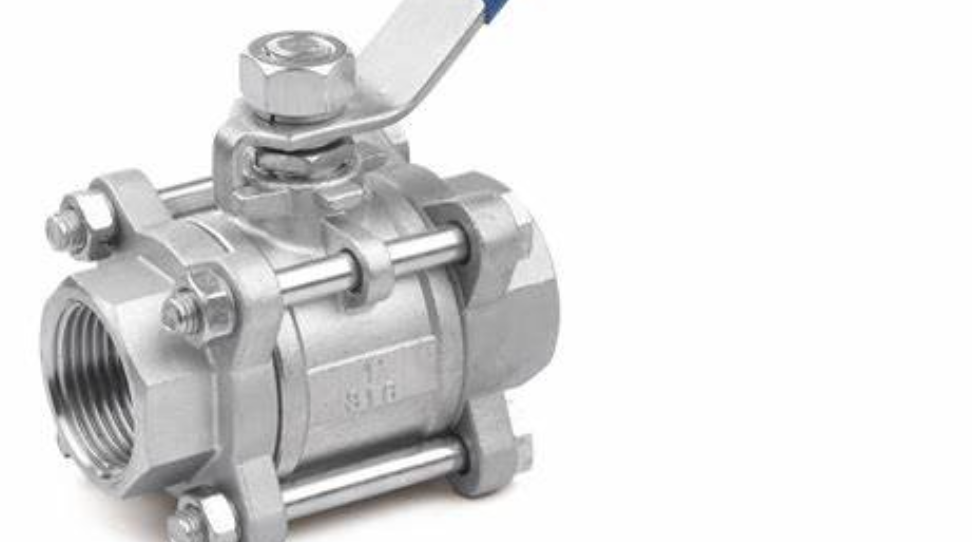
Dual Trunnion Sealing in Ball Valve Body Types
- Metal-to-Metal Primary Seals: Ball valve body typeswith dual trunnions from Hebei Yaosheng feature primary metal seals between the ball and seats, ensuring tight shut-off even at 4.0 Mpa pressure. This design is critical for steam applications, where high temperatures can degrade elastomeric seals.
- Secondary Elastomeric Backup Seals: Complementing the metal seals, these ball valve body typesinclude secondary EPDM gaskets that activate under low-pressure conditions, preventing leakage in water and oil services. This dual sealing system reduces maintenance in mixed-medium pipelines.
- Trunnion Bearing Isolation: The trunnions in these ball valve body typesare fitted with PTFE-lined bearings isolated from the flow path, preventing contamination by particulate matter in industrial water systems. This isolation extends bearing life by 50% compared to exposed designs.
High-Pressure Variants in Different Types of Ball Valves
- Forged Body Trunnion Valves: Different types of ball valvesinclude forged stainless steel trunnion models from Hebei Yaosheng, capable of withstanding 4.0 Mpa pressure in oil pipelines. The forged construction eliminates internal voids, reducing the risk of catastrophic failure under pressure spikes.
- Split-Body Trunnion Designs: These different types of ball valvesfeature a two-piece body that simplifies in-line maintenance, a key advantage in steam systems where valve removal is costly. Hebei Yaosheng’s split-body design allows seal replacement without disconnecting the pipeline.
- Reduced Bore Trunnion Valves: For applications prioritizing pressure retention over flow rate, different types of ball valveswith reduced bores (1/2 "-2") offer enhanced structural integrity. These valves, produced by Hebei Yaosheng, are ideal for high-pressure oil transfer lines with lower flow demands.
Temperature Resilient Ball Valves Types
- Heat-Treated Trunnion Assemblies: Ball valves typesdesigned for ≤150℃ service undergo trunnion heat treatment, ensuring dimensional stability under thermal expansion. Hebei Yaosheng’s process involves annealing trunnions at 800℃, preventing warping in steam applications.
- Thermal Insulation Jackets: Some ball valves typeswith trunnion mounts include optional insulation jackets, maintaining valve body temperature and preventing heat loss in steam systems. This feature, offered by Hebei Yaosheng, improves energy efficiency in industrial heating loops.
- Expansion Gap Engineering: Ball valves typesfor temperature-varying media (e.g., hot oil to cold water) incorporate controlled expansion gaps between the ball and trunnions. Hebei Yaosheng’s design accommodates 0.1mm thermal expansion, preventing binding during rapid temperature shifts.
Specialized Connection Ball Valve Body Types
- NPT Threaded Trunnion Valves: Ball valve body typeswith NPT threads feature precision-machined connections that seal without tape or compound, critical for oil and gas lines where leakage risks are high. Hebei Yaosheng’s threading process achieves Class 2A tolerances for leak-free assembly.
- BSP Thread Compatibility: These ball valve body typesare engineered to mate with BSP fittings, ensuring global compatibility. Hebei Yaosheng’s BSP-threaded trunnion valves are popular in international water treatment projects with mixed fitting standards.
- Threaded Trunnion Reinforcement: The trunnion areas in these ball valve body typesare reinforced with extra material, preventing thread stripping under torque during installation. This design, unique to Hebei Yaosheng, is valued in high-vibration environments like industrial pumps.
|
Specification |
Details |
|
Medium temperature |
≤150 ℃ |
|
Medium |
water, oil, steam |
|
Caliber |
1/2 "-2" |
|
Pressure |
1.0/2.5/4.0 Mpa |
|
Body material |
stainless steel, carbon steel |
|
Connection |
NPT BSP thread |
Ball Valves Types FAQS
What distinguishes trunnion-mounted ball valve body types from floating ball designs?
Ball valve body types with trunnions feature fixed ball supports that reduce seat wear, making them suitable for high-pressure (4.0 Mpa) applications. Unlike floating designs, trunnion-mounted valves from Hebei Yaosheng handle higher torque without deforming seats, ideal for oil and steam service.
How do different types of ball valves with trunnions handle particulate media?
Different types of ball valves with trunnions often include purge ports to flush debris from the ball cavity, preventing jamming. Hebei Yaosheng’s design adds a self-cleaning ball bore that scrapes particles during rotation, suitable for water with sediment.
Are ball valves types with trunnion mounts suitable for frequent cycling?
Yes, ball valves types with trunnions excel in high-cycle applications (10,000+ operations) due to their fixed ball alignment. Hebei Yaosheng’s trunnion bearings, lubricated for life, maintain smooth operation in automated systems like industrial water control loops.
What materials are used in ball valve body types for high-temperature service?
Ball valve body types for ≤150℃ use carbon steel or stainless steel with heat-resistant seals. Hebei Yaosheng’s 316 stainless steel trunnion valves resist oxidation in steam, outperforming carbon steel in long-term high-temperature service.
How do trunnion-mounted ball valves types ensure tight shut-off?
Ball valves types with trunnions use spring-loaded seats that maintain constant contact with the ball, ensuring shut-off even with minor wear. Hebei Yaosheng’s design achieves ANSI Class VI leakage rates, making them suitable for critical oil and gas isolation.
-
Comprehensive Guide to China Pipe Laterals Fittings for Global Trade ApplicationsخبرونهFeb.24,2026
-
China Extended Body Gate Valves A Comprehensive Guide To Selection And ApplicationخبرونهFeb.11,2026
-
Comprehensive Guide to China 3 Inch Butterfly Valve Selection and ApplicationsخبرونهJan.30,2026
-
Comprehensive Guide to Pipe Adaptors and Fittings for Efficient SystemsخبرونهJan.28,2026
-
Comprehensive Guide to Pipe T Fittings for Plumbing and Fluid Transfer SystemsخبرونهJan.28,2026
-
Comprehensive Guide to Union Pipe Fitting Selection and ApplicationsخبرونهJan.27,2026
-
Comprehensive Guide to China Angle Globe Valves for Industrial ApplicationsخبرونهJan.27,2026
 Pashto
 Afrikaans
  Albanian
  Amharic
  Arabic
  Armenian
  Azerbaijani
  Basque
  Belarusian
  Bengali
  Bosnian
  Bulgarian
  Catalan
  Cebuano
  Croatian
  Czech
Czech  Danish
  Dutch
Dutch  English Esperanto
  Estonian
  Finnish
  French
  Frisian
  Galician
  Georgian
  German
  Greek
Greek  Gujarati
  Hebrew
  Hindi
Hindi  Hungarian
  Icelandic
  Indonesian
  Italian
  Japanese
  Kannada
  Kazakh
  Khmer
Khmer  Korean
  Kurdish
  Lao
Lao  Latvian
  Lithuanian
  Macedonian
  Malay
Malay  Malayalam
  Marathi
  Mongolian
  Myanmar
  Nepali
  Norwegian
  Persian
  Polish
  Portuguese
  Panjabi
  Romanian
  Russian
  Scottish Gaelic
  Serbian
  Sinhala
  Slovak
  Slovenian
  Spanish
  Swahili
  Swedish
  Tagalog
  Tamil
Tamil  Tatar
Tatar  Telugu
  Thai
Thai  Turkish
  Ukrainian
  Urdu
Urdu  Uighur
  Uzbek
Uzbek  Vietnamese
  Welsh
Welsh