 86-312-8695888
 86-13722963501
 info@hbysindustry.com
-
 افریقی
-
 البانیایی
-
 امهاریک
-
 عربي
عربي
-
 ارمانیایی
-
 اذربایجان
-
 باسک
باسک
-
 بلاروسي
-
 بنګالي
-
 بوسنیایی
-
 بلغاریه ایی
-
 کتالین
-
 سیبوانو
-
 کورسیکن
-
 کرواسین
-
 چکسلواکي
-
 دنمارکي
-
 الماني
-
 انګلیسي
-
 ایسپیرینټو
-
 ایستونین
-
 فنلینډي
-
 فرانسوي
-
 فریزین
-
 ګالیسي
-
 ګرجستاني
-
 جرمني
جرمني
-
 یوناني
-
 ګجراتي
-
 هیتیان کریول
-
 هوسا
هوسا
-
 هوایی
هوایی
-
 عبري
عبري
-
 نه
نه
-
 مياو
مياو
-
 هنګري
هنګري
-
 ایلینډیک
-
 igbo
igbo
-
 انډونیزین
-
 ایرلینډي
-
 ایټالیوي
-
 جاپاني
-
 جاوه ای
-
 کناډا
کناډا
-
 قزاقي
قزاقي
-
 خمیر
خمیر
-
 روانډا
-
 کوریایی
-
 کرد
کرد
-
 قرغیزي
-
 TB
TB
-
 لاتین
لاتین
-
 لیتوین
-
 لیتوانیایی
-
 لوګزامبورګي
-
 مقدوني
-
 ملګاشي
-
 مالایا
-
 ملایلم
-
 مالتیس
-
 ماوري
ماوري
-
 مراټي
مراټي
-
 مغولي
مغولي
-
 میانمار
-
 نیپالي
-
 نارویژي
-
 نارویژي
-
 اوکیتین
-
 پښتو
پښتو
-
 فارسي
فارسي
-
 پولیش
پولیش
-
 پورتګالي
-
 پنجابي
-
 رومانیایی
-
 روسي
روسي
-
 سامون
سامون
-
 سکاټلینډي ګیلیک
-
 صربي
صربي
-
 انګلیسي
-
 شونا
شونا
-
 سندي
سندي
-
 سنګال
سنګال
-
 سلواکي
-
 سلوانیایی
-
 سومالیایی
-
 هسپانیه ایی
-
 سنډانیز
-
 سواحلي
-
 سویډیش یا سویډني
-
 تګالوګ
-
 تاجک
تاجک
-
 تامیل
تامیل
-
 تاتار
تاتار
-
 تولیګو
-
 تای
تای
-
 ترکي
ترکي
-
 ترکمني
-
 اوکرایني
-
 اردو
اردو
-
 اویغور
-
 ازبکي
ازبکي
-
 ویتنامي
-
 ولش
ولش
-
 مرسته
مرسته
-
 یدیش
یدیش
-
 یوروبا
-
 زولو
زولو


Globe Valve: an Indispensable Component in Industrial Pipeline Systems
Globe valve, Also known as a cut-off valve, it is an important component widely used in industrial pipeline systems to control fluid flow. Thanks to its simple structure, convenient manufacturing, and excellent sealing performance, globe valves play an indispensable role in various industrial fields. This article will delve into the structural characteristics, working principles, application scenarios, and advantages and disadvantages of globe valves, in order to comprehensively understand this key valve type.
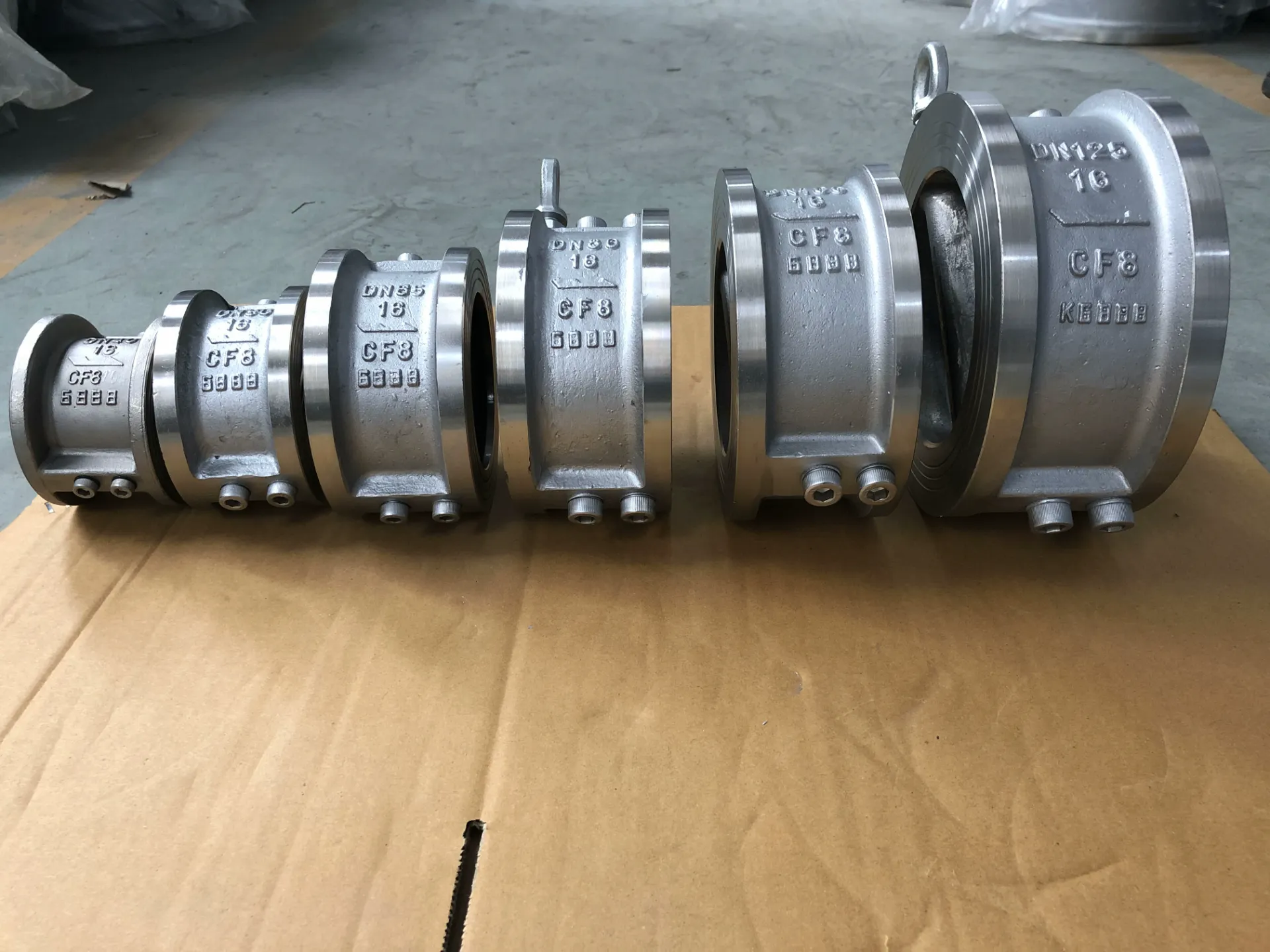
The core structure of the globe valve lies in its valve disc and seat
The valve disc is usually disc-shaped or conical, connected to the handwheel or actuator through the valve stem. The valve seat is fixed inside the valve body, forming a tight fitting surface with the valve disc. When the handwheel rotates, the valve stem drives the valve disc to move up and down, thereby achieving the opening and closing of the valve and controlling the flow of fluid. According to the different structures of the valve disc and seat, Fisher globe valves can be divided into various types such as straight through, angle, and direct flow to meet different application needs.
The working principle of globe valve is relatively simple
When it is necessary to close the valve, rotate the handwheel to press the valve disc downwards against the valve seat, and use the sealing surface between the valve disc and the valve seat to achieve fluid shut-off. When opening the valve, rotate the handwheel in reverse to move the valve disc upwards, allowing the fluid to pass smoothly. The sealing performance of a balanced globe valve mainly depends on the tight fit between the valve disc and seat, therefore, the selection of materials and machining accuracy are crucial.
Globe valve is widely used in various industrial fields such as petroleum, chemical, power, metallurgy, pharmaceuticals, etc
In pipeline systems, globe valve 6 is mainly used to cut off or connect the medium in the pipeline, serving as a check and regulating flow. For example, in boiler systems, globe valves are often used to control the flow of steam; In water treatment systems, globe valves are used to control the flow of water. In addition, globe valves can also be used to control various special media, such as corrosive liquids, high-temperature gases, etc.
The globe valve also has some drawbacks
Due to the complex flow channels that the fluid needs to pass through, the flow resistance of the 2 globe valve is relatively high, resulting in relatively high energy loss. In addition, the globe valve has a longer opening and closing stroke, and the switching speed is relatively slow. Therefore, in situations where frequent switching or high flow resistance requirements are needed, other types of valves such as ball valves or gate valves are usually chosen.
In summary, globe valves, as a structurally simple and widely used type of valve, play an important role in industrial pipeline systems. Despite some drawbacks, globe valves remain an indispensable fluid control component in various industrial fields due to their reliable performance and relatively low cost. With the continuous development of technology and the application of new materials and processing techniques, the performance of globe valves will continue to improve to adapt to more complex and demanding industrial environments.
Globe Valve FAQs
What is a globe valve?
Globe valve is a type of valve that controls fluid flow by moving the disc up and down along the center line of the valve seat. Its main function is to regulate flow or completely cut off fluid flow. The flow channel of the globe valve is S-shaped, with high fluid resistance but excellent regulation performance.
What are the main advantages of the globe valve?
Good regulation performance: Globe valve is suitable for precise flow regulation.
Good sealing performance: The sealing surface between the valve disc and the valve seat is in close contact, with low leakage rate.
Strong durability: suitable for high-pressure and high-temperature working conditions.
Easy maintenance: The valve disc and seat are easy to replace.
What are the drawbacks of the globe valve?
High flow resistance: Due to the S-shaped flow channel, the fluid resistance is high and not suitable for situations that require low flow resistance.
Slow opening and closing speed: The valve disc needs to rotate multiple times to fully open or close.
Larger volume: Compared to ball valves or butterfly valves, globe valves have a more complex structure and larger volume.
What are the main application areas of globe valves?
Globe valve is widely used in the following fields:
Steam system: used for flow regulation in boilers and steam pipelines.
Chemical industry: used for controlling corrosive media.
Oil and gas industry: used for fluid regulation in pipelines.
Water treatment system: used for water supply and drainage systems.
Electric power industry: used for cooling water systems and water supply systems.
What are the common types of globe valves?
According to the valve body structure and flow channel design, globe valves are mainly divided into the following types:
T-shaped globe valve: The flow channel has a right angle and high fluid resistance, making it suitable for situations that require strict sealing.
Y-shaped globe valve: The flow channel is angled and has low fluid resistance, making it suitable for situations where flow resistance needs to be reduced.
Angle shaped globe valve: The inlet and outlet have a 90 ° angle, suitable for installation at corners of pipelines.
DC globe valve: The flow channel is straight with minimal fluid resistance, making it suitable for situations that require low flow resistance.
-
Comprehensive Guide to China Pipe Laterals Fittings for Global Trade ApplicationsخبرونهFeb.24,2026
-
China Extended Body Gate Valves A Comprehensive Guide To Selection And ApplicationخبرونهFeb.11,2026
-
Comprehensive Guide to China 3 Inch Butterfly Valve Selection and ApplicationsخبرونهJan.30,2026
-
Comprehensive Guide to Pipe Adaptors and Fittings for Efficient SystemsخبرونهJan.28,2026
-
Comprehensive Guide to Pipe T Fittings for Plumbing and Fluid Transfer SystemsخبرونهJan.28,2026
-
Comprehensive Guide to Union Pipe Fitting Selection and ApplicationsخبرونهJan.27,2026
-
Comprehensive Guide to China Angle Globe Valves for Industrial ApplicationsخبرونهJan.27,2026
 Pashto
 Afrikaans
  Albanian
  Amharic
  Arabic
  Armenian
  Azerbaijani
  Basque
  Belarusian
  Bengali
  Bosnian
  Bulgarian
  Catalan
  Cebuano
  Croatian
  Czech
Czech  Danish
  Dutch
Dutch  English Esperanto
  Estonian
  Finnish
  French
  Frisian
  Galician
  Georgian
  German
  Greek
Greek  Gujarati
  Hebrew
  Hindi
Hindi  Hungarian
  Icelandic
  Indonesian
  Italian
  Japanese
  Kannada
  Kazakh
  Khmer
Khmer  Korean
  Kurdish
  Lao
Lao  Latvian
  Lithuanian
  Macedonian
  Malay
Malay  Malayalam
  Marathi
  Mongolian
  Myanmar
  Nepali
  Norwegian
  Persian
  Polish
  Portuguese
  Panjabi
  Romanian
  Russian
  Scottish Gaelic
  Serbian
  Sinhala
  Slovak
  Slovenian
  Spanish
  Swahili
  Swedish
  Tagalog
  Tamil
Tamil  Tatar
Tatar  Telugu
  Thai
Thai  Turkish
  Ukrainian
  Urdu
Urdu  Uighur
  Uzbek
Uzbek  Vietnamese
  Welsh
Welsh