 86-312-8695888
 86-13722963501
 info@hbysindustry.com
-
 Người châu Phi
-
 tiếng Albania
-
 tiếng Amharic
-
 tiếng Ả Rập
-
 tiếng Armenia
-
 Tiếng Azerbaijan
-
 Tiếng Basque
-
 Người Belarus
-
 tiếng Bengali
-
 tiếng Bosnia
-
 tiếng Bungari
-
 tiếng Catalan
-
 Cebuano
-
 Corsican
-
 tiếng Croatia
-
 tiếng Séc
-
 người Đan Mạch
-
 tiếng Hà Lan
-
 Tiếng Anh
-
 Quốc tế ngữ
-
 tiếng Estonia
-
 tiếng Phần Lan
-
 người Pháp
-
 tiếng Frisia
-
 tiếng Galicia
-
 tiếng Gruzia
-
 tiếng Đức
-
 người Hy Lạp
-
 Gujarati
-
 Tiếng Creole Haiti
-
 hausa
hausa
-
 người Hawaii
-
 tiếng Do Thái
-
 Không
Không
-
 Miêu
Miêu
-
 người Hungary
-
 tiếng Iceland
-
 igbo
igbo
-
 tiếng Indonesia
-
 người Ailen
-
 người Ý
-
 tiếng Nhật
-
 tiếng Java
-
 tiếng Kannada
-
 kazakh
-
 tiếng Khmer
-
 người Rwanda
-
 Hàn Quốc
-
 người Kurd
-
 Tiếng Kyrgyzstan
-
 Lao
Lao
-
 Latin
Latin
-
 tiếng Latvia
-
 tiếng Litva
-
 Tiếng Luxembourg
-
 Tiếng Macedonia
-
 Malgashi
-
 Mã Lai
-
 Mã Lai
-
 cây nho
-
 người Maori
-
 Tiếng Marathi
-
 tiếng Mông Cổ
-
 Myanmar
-
 tiếng Nepal
-
 người Na Uy
-
 người Na Uy
-
 tiếng Occitan
-
 Tiếng Pa-tô
-
 tiếng Ba Tư
-
 Đánh bóng
-
 tiếng Bồ Đào Nha
-
 Tiếng Punjab
-
 người Rumani
-
 tiếng Nga
-
 Tiếng Samoa
-
 Tiếng Gaelic của Scotland
-
 tiếng Serbia
-
 Tiếng Anh
-
 Shona
Shona
-
 tiếng Sindhi
-
 Sinhala
-
 Tiếng Slovak
-
 tiếng Slovenia
-
 tiếng Somali
-
 người Tây Ban Nha
-
 Tiếng Sundan
-
 tiếng Swahili
-
 tiếng Thụy Điển
-
 Tagalog
-
 Tiếng Tajik
-
 Tiếng Tamil
-
 Tatar
Tatar
-
 tiếng Telugu
-
 tiếng Thái
-
 tiếng Thổ Nhĩ Kỳ
-
 người Thổ Nhĩ Kỳ
-
 tiếng Ukraina
-
 tiếng Urdu
-
 người Duy Ngô Nhĩ
-
 tiếng Uzbek
-
 Tiếng Việt
-
 người xứ Wales
-
 Giúp đỡ
-
 tiếng Yiddish
-
 Yoruba
-
 Zulu
Zulu


Ball Valves: The Ultimate Solution for Fluid Control
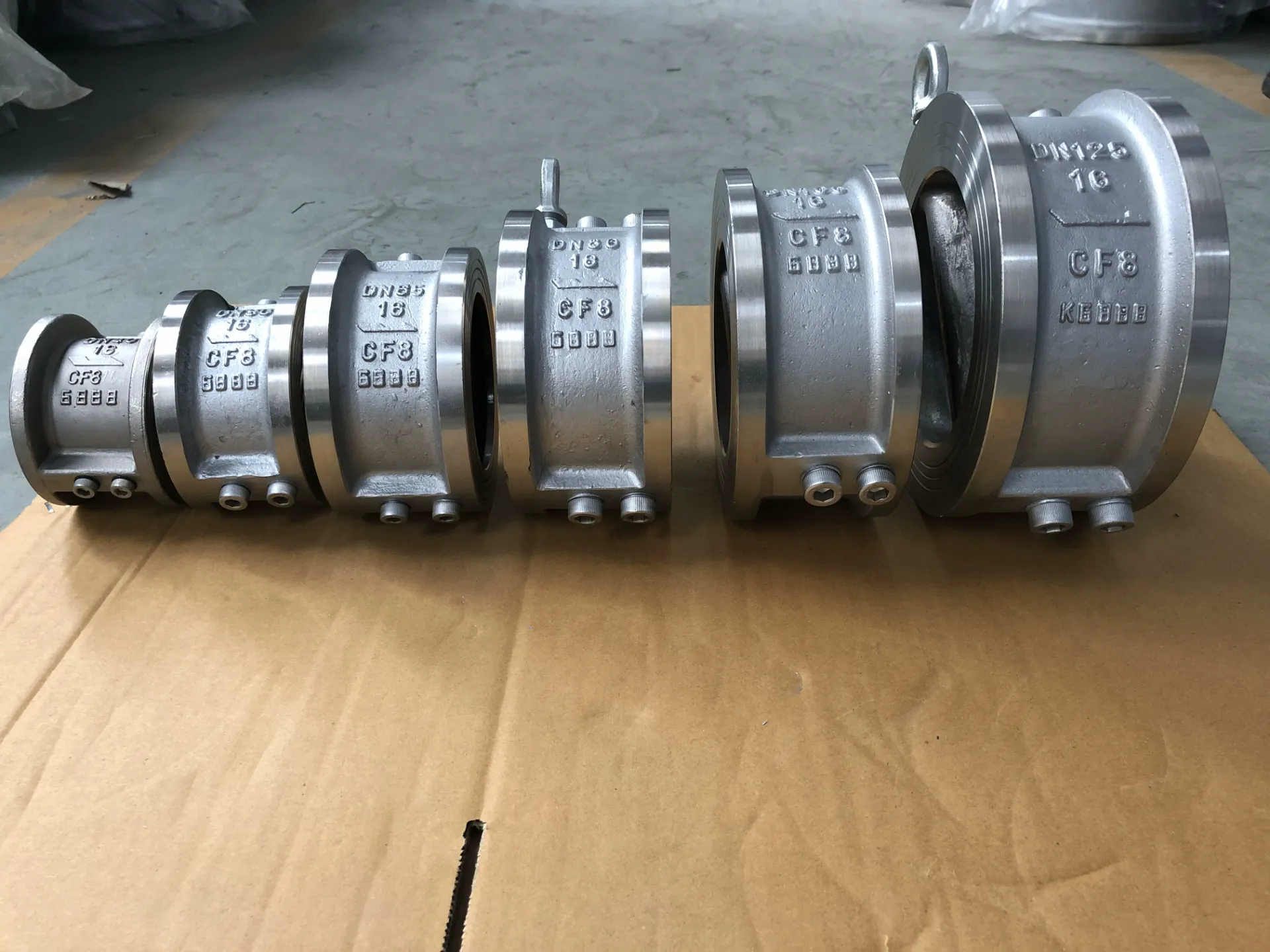
When it comes to efficient and reliable fluid control, the van bi stands out as one of the most versatile and widely used options in various industries. With a simple yet effective design, ball valves for sale are a top choice for managing the flow of liquids and gases in systems where precision, durability, and ease of operation are essential. In this article, we will explore the differences between van bi and butterfly valve performance, how to select the right material for corrosive environments, and how advancements in intelligent sensors are enabling remote monitoring of ball valves.
Ball Valve vs. Butterfly Valve: Performance and Application
Both van bi and butterfly valve are essential in fluid control, but they differ significantly in performance, application, and structure. A van bi uses a spherical disc with a hole through the center to control the flow of fluid. When the valve is in the open position, the hole aligns with the flow path, allowing unrestricted flow. When rotated 90 degrees, the ball closes the flow completely. This makes ball valves ideal for applications requiring full shutoff and where on-off control is critical.
On the other hand, a butterfly valve operates using a disc mounted on a rotating shaft. Unlike the van bi, a butterfly valve does not completely block the flow when closed but creates a throttling effect. Butterfly valves are typically used in applications where space is limited, and the priority is flow regulation rather than complete shutoff.
For applications requiring high-pressure management, leak-tight sealing, and reliability in shutting off the flow, ball valves for sale are a superior choice. Butterfly valves, while more cost-effective, are often more suitable for large-diameter pipes and low-pressure systems.
Van bi:Selecting the Right Material for Corrosive Fluids
When working with highly corrosive fluids, choosing the right material for a van bi is crucial to ensuring long-term durability and safe operation. Different industries—such as chemical processing, oil and gas, and wastewater management—deal with fluids that can rapidly degrade certain metals. Ball valves supplier options include materials such as stainless steel, brass, and various plastic composites, each offering unique benefits depending on the application.
Stainless steel ball valves: Known for their excellent corrosion resistance, stainless steel valves are perfect for environments exposed to acidic or alkaline fluids. They are often used in chemical plants, oil refineries, and water treatment systems.
Brass ball valves: While more affordable than stainless steel, brass is suitable for applications involving non-corrosive fluids such as water and air. However, it is not recommended for highly acidic or saltwater environments, where corrosion could become an issue.
Plastic ball valves: For applications involving extremely corrosive fluids, plastic materials like PVC, CPVC, or PTFE are ideal. They are lightweight, non-corrosive, and cost-effective, making them a viable alternative for low-pressure and low-temperature systems.
Ball valves supplier often provide a range of materials and coatings to cater to specific environmental needs. By selecting the right material, you can extend the lifespan of your van bi and ensure it remains functional even in challenging conditions.
Van bi:Achieving Remote Monitoring with Intelligent Sensors
The advancement of intelligent technology is transforming the way industries monitor and maintain their fluid control systems. Modern van bi systems are now equipped with intelligent sensors that provide real-time data on valve position, flow rate, temperature, and pressure. This remote monitoring capability allows for more efficient operation and maintenance.
By integrating sensors into ball valves for sale, operators can detect potential failures before they occur, ensuring that any issue is resolved quickly and preventing costly downtime. These sensors can be connected to control systems that allow for automated operation, improving the overall efficiency of the process. Additionally, they provide crucial data for predictive maintenance, helping to identify wear and tear on the valve and allowing for proactive repairs or replacements.
Intelligent sensors enable remote control of van bi systems from a central control room or even through mobile applications. This technology is especially beneficial in industries where valves are located in hard-to-reach areas or dangerous environments, such as offshore oil platforms or chemical plants. By allowing operators to monitor and control valves remotely, safety is significantly enhanced, and manual intervention is minimized.
The Advantages of Ball Valves in Modern Applications
The van bi is a critical component in many industrial systems, offering superior flow control, reliability, and ease of operation. Compared to butterfly valves, ball valves for sale are the go-to solution for systems that require complete shutoff and high-pressure management. By selecting the appropriate material for corrosive environments, industries can extend the longevity and efficiency of their van bi systems.
Incorporating intelligent sensors into van bi designs enables operators to achieve real-time monitoring, improving system performance, reducing maintenance costs, and enhancing safety. With these advancements, the future of fluid control is becoming more automated and reliable, ensuring that ball valves remain a staple in industries across the globe.
Whether you’re looking for cost-effective solutions, high-performance materials, or cutting-edge technology, finding the right ball valves supplier can ensure you get the perfect product to meet your specific needs.
-
Comprehensive Guide to China Pipe Laterals Fittings for Global Trade ApplicationsTin tứcFeb.24,2026
-
China Extended Body Gate Valves A Comprehensive Guide To Selection And ApplicationTin tứcFeb.11,2026
-
Comprehensive Guide to China 3 Inch Butterfly Valve Selection and ApplicationsTin tứcJan.30,2026
-
Comprehensive Guide to Pipe Adaptors and Fittings for Efficient SystemsTin tứcJan.28,2026
-
Comprehensive Guide to Pipe T Fittings for Plumbing and Fluid Transfer SystemsTin tứcJan.28,2026
-
Comprehensive Guide to Union Pipe Fitting Selection and ApplicationsTin tứcJan.27,2026
-
Comprehensive Guide to China Angle Globe Valves for Industrial ApplicationsTin tứcJan.27,2026
 Vietnamese
 Afrikaans
  Albanian
  Amharic
  Arabic
  Armenian
  Azerbaijani
  Basque
  Belarusian
  Bengali
  Bosnian
  Bulgarian
  Catalan
  Cebuano
  Croatian
  Czech
Czech  Danish
  Dutch
Dutch  English Esperanto
  Estonian
  Finnish
  French
  Frisian
  Galician
  Georgian
  German
  Greek
Greek  Gujarati
  Hebrew
  Hindi
Hindi  Hungarian
  Icelandic
  Indonesian
  Italian
  Japanese
  Kannada
  Kazakh
  Khmer
Khmer  Korean
  Kurdish
  Lao
Lao  Latvian
  Lithuanian
  Macedonian
  Malay
Malay  Malayalam
  Marathi
  Mongolian
  Myanmar
  Nepali
  Norwegian
  Pashto
  Persian
  Polish
  Portuguese
  Panjabi
  Romanian
  Russian
  Scottish Gaelic
  Serbian
  Sinhala
  Slovak
  Slovenian
  Spanish
  Swahili
  Swedish
  Tagalog
  Tamil
Tamil  Tatar
Tatar  Telugu
  Thai
Thai  Turkish
  Ukrainian
  Urdu
Urdu  Uighur
  Uzbek
Uzbek  Welsh
Welsh