 86-312-8695888
 86-13722963501
 info@hbysindustry.com
-
 Người châu Phi
-
 tiếng Albania
-
 tiếng Amharic
-
 tiếng Ả Rập
-
 tiếng Armenia
-
 Tiếng Azerbaijan
-
 Tiếng Basque
-
 Người Belarus
-
 tiếng Bengali
-
 tiếng Bosnia
-
 tiếng Bungari
-
 tiếng Catalan
-
 Cebuano
-
 Corsican
-
 tiếng Croatia
-
 tiếng Séc
-
 người Đan Mạch
-
 tiếng Hà Lan
-
 Tiếng Anh
-
 Quốc tế ngữ
-
 tiếng Estonia
-
 tiếng Phần Lan
-
 người Pháp
-
 tiếng Frisia
-
 tiếng Galicia
-
 tiếng Gruzia
-
 tiếng Đức
-
 người Hy Lạp
-
 Gujarati
-
 Tiếng Creole Haiti
-
 hausa
hausa
-
 người Hawaii
-
 tiếng Do Thái
-
 Không
Không
-
 Miêu
Miêu
-
 người Hungary
-
 tiếng Iceland
-
 igbo
igbo
-
 tiếng Indonesia
-
 người Ailen
-
 người Ý
-
 tiếng Nhật
-
 tiếng Java
-
 tiếng Kannada
-
 kazakh
-
 tiếng Khmer
-
 người Rwanda
-
 Hàn Quốc
-
 người Kurd
-
 Tiếng Kyrgyzstan
-
 Lao
Lao
-
 Latin
Latin
-
 tiếng Latvia
-
 tiếng Litva
-
 Tiếng Luxembourg
-
 Tiếng Macedonia
-
 Malgashi
-
 Mã Lai
-
 Mã Lai
-
 cây nho
-
 người Maori
-
 Tiếng Marathi
-
 tiếng Mông Cổ
-
 Myanmar
-
 tiếng Nepal
-
 người Na Uy
-
 người Na Uy
-
 tiếng Occitan
-
 Tiếng Pa-tô
-
 tiếng Ba Tư
-
 Đánh bóng
-
 tiếng Bồ Đào Nha
-
 Tiếng Punjab
-
 người Rumani
-
 tiếng Nga
-
 Tiếng Samoa
-
 Tiếng Gaelic của Scotland
-
 tiếng Serbia
-
 Tiếng Anh
-
 Shona
Shona
-
 tiếng Sindhi
-
 Sinhala
-
 Tiếng Slovak
-
 tiếng Slovenia
-
 tiếng Somali
-
 người Tây Ban Nha
-
 Tiếng Sundan
-
 tiếng Swahili
-
 tiếng Thụy Điển
-
 Tagalog
-
 Tiếng Tajik
-
 Tiếng Tamil
-
 Tatar
Tatar
-
 tiếng Telugu
-
 tiếng Thái
-
 tiếng Thổ Nhĩ Kỳ
-
 người Thổ Nhĩ Kỳ
-
 tiếng Ukraina
-
 tiếng Urdu
-
 người Duy Ngô Nhĩ
-
 tiếng Uzbek
-
 Tiếng Việt
-
 người xứ Wales
-
 Giúp đỡ
-
 tiếng Yiddish
-
 Yoruba
-
 Zulu
Zulu


Butterfly Valve: a Versatile Rotary Valve
As a commonly used rotary valve, van bướm has been widely used in fields such as chemical engineering, electricity, water supply and drainage, HVAC, etc. due to its advantages of simple structure, small volume, light weight, and low fluid resistance. The core component, the butterfly plate, rotates around the axis inside the valve body and controls the fluid flow by adjusting the opening of the butterfly plate. This article will provide a brief overview of the structural characteristics, working principles, and application fields of butterfly valves.
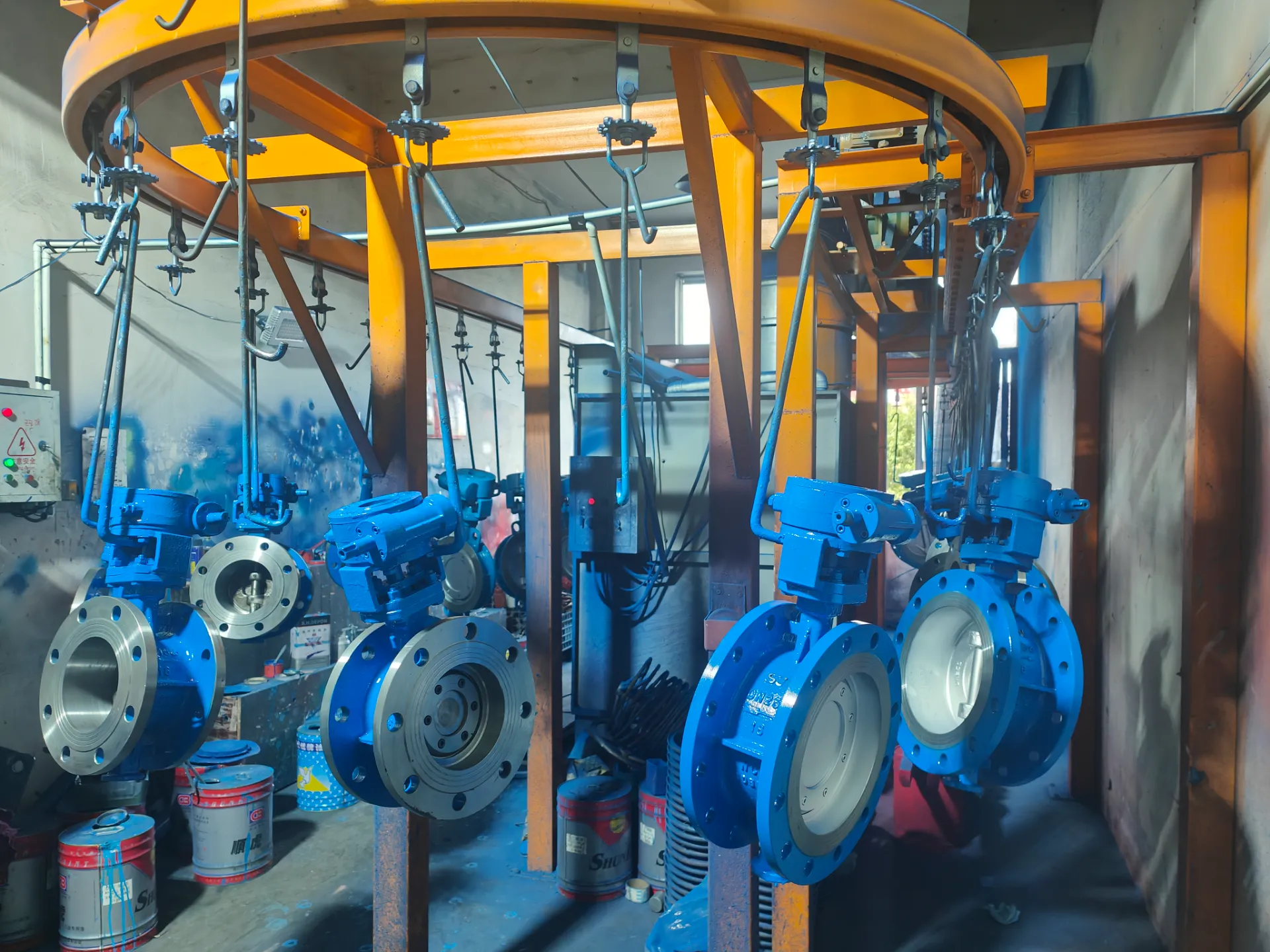
The structure of butterfly valve is relatively simple, mainly composed of valve body, butterfly plate, valve stem, sealing ring and driving device
Butterfly valve 10 is usually made of materials such as cast iron, cast steel, stainless steel, etc. to meet the corrosion requirements of different media. As a key component for controlling fluid flow, the shape design of the butterfly plate directly affects the sealing performance and fluid resistance of the valve. The valve stem connects the butterfly plate and the driving device, transmitting the driving torque and achieving the rotation of the butterfly plate. The sealing ring is used to ensure the sealing performance of the valve and prevent medium leakage. The driving device can be manual, electric, pneumatic or hydraulic, and the appropriate driving method should be selected according to the actual working conditions.
The working principle of butterfly valve is based on the rotational motion of the butterfly plate
When butterfly valve 5 is fully open, the butterfly plate is parallel to the fluid direction and the fluid resistance is minimized. When it is necessary to adjust the flow rate, the valve stem is rotated by the driving device to deviate the butterfly plate from the fluid direction, increase fluid resistance, and thus reduce the flow rate. There is a certain functional relationship between the opening of the butterfly plate and the flow rate, and precise flow control can be achieved through calibration curves.
Butterfly valves are widely used in various fields due to their unique characteristics
In the field of water supply and drainage, 1 1 2 butterfly valves are commonly used in urban water supply pipelines, sewage treatment plants, and other occasions to control water flow. In the field of HVAC, butterfly valves are used to regulate the flow of hot and cold water, ensuring stable indoor temperature. In the field of chemical engineering, butterfly valves are used to control the flow of various chemical media and participate in the control of production processes. In the field of electricity, butterfly valves are used to control the flow of media such as steam and water, ensuring the normal operation of the unit. In addition, butterfly valves are widely used in industries such as food and medicine.
In summary, the 1 butterfly valve has become an indispensable and important component in the field of fluid control due to its simple structure, easy operation, and low cost. With the continuous development of technology, the performance of butterfly valves is also constantly improving, such as significant improvements in sealing performance, corrosion resistance, and other aspects. It can be foreseen that butterfly valves will play a more important role in future industrial production and social life.
Butterfly Valve FAQs
What is a butterfly valve?
A butterfly valve is a type of valve that controls fluid flow by rotating a disc (known as a butterfly or valve disc). The butterfly plate is usually installed in the center position of the valve body, and can be fully opened or fully closed by rotating 90 °. The butterfly valve has a simple structure, small size, and is suitable for quick opening and closing.
What are the main advantages of butterfly valve?
Simple structure and small size: The butterfly valve has a compact design and occupies less space.
Fast opening and closing speed: simply rotate 90 ° to complete the opening and closing operation.
Low cost: Compared to other types of valves, butterfly valves have lower manufacturing costs.
Suitable for high flow control: The butterfly valve's flow channel design makes it suitable for high flow applications.
Easy to maintain: simple structure, easy to install and repair.
What are the drawbacks of butterfly valve?
Limited sealing performance: Under high pressure or high temperature conditions, the sealing performance of butterfly valves may not be as good as gate valves or ball valves.
Not suitable for high-precision flow regulation: Although it can be used to regulate flow, its accuracy is not as good as globe valves or control valves.
Butterfly plates may be subjected to fluid impact: In high-speed fluids, butterfly plates may be impacted, affecting their service life.
What are the main application areas of butterfly valves?
Butterfly valves are widely used in the following fields:
Water supply and drainage system: used to control water flow.
HVAC system: used to regulate the flow of air or water.
Chemical industry: used for controlling corrosive media.
Food and pharmaceutical industry: used in places with high hygiene requirements.
Power industry: used for cooling water systems.
What are the common types of butterfly valves?
According to the sealing method and structure, butterfly valves are mainly divided into the following types:
Mid line butterfly valve: The butterfly plate is located at the center of the valve body, with average sealing performance, suitable for low-pressure applications.
Double eccentric butterfly valve: The butterfly plate deviates from the center of the valve body, providing better sealing performance and suitable for medium pressure applications.
Triple eccentric butterfly valve: The butterfly plate and valve seat are designed with eccentricity, providing the best sealing performance and suitable for high-pressure and high-temperature applications.
Soft seal butterfly valve: The sealing material is rubber or polytetrafluoroethylene (PTFE), suitable for low temperature and low pressure applications.
Metal sealed butterfly valve: The sealing material is metal, suitable for high temperature and high pressure applications.
-
Comprehensive Guide to China Pipe Laterals Fittings for Global Trade ApplicationsTin tứcFeb.24,2026
-
China Extended Body Gate Valves A Comprehensive Guide To Selection And ApplicationTin tứcFeb.11,2026
-
Comprehensive Guide to China 3 Inch Butterfly Valve Selection and ApplicationsTin tứcJan.30,2026
-
Comprehensive Guide to Pipe Adaptors and Fittings for Efficient SystemsTin tứcJan.28,2026
-
Comprehensive Guide to Pipe T Fittings for Plumbing and Fluid Transfer SystemsTin tứcJan.28,2026
-
Comprehensive Guide to Union Pipe Fitting Selection and ApplicationsTin tứcJan.27,2026
-
Comprehensive Guide to China Angle Globe Valves for Industrial ApplicationsTin tứcJan.27,2026
 Vietnamese
 Afrikaans
  Albanian
  Amharic
  Arabic
  Armenian
  Azerbaijani
  Basque
  Belarusian
  Bengali
  Bosnian
  Bulgarian
  Catalan
  Cebuano
  Croatian
  Czech
Czech  Danish
  Dutch
Dutch  English Esperanto
  Estonian
  Finnish
  French
  Frisian
  Galician
  Georgian
  German
  Greek
Greek  Gujarati
  Hebrew
  Hindi
Hindi  Hungarian
  Icelandic
  Indonesian
  Italian
  Japanese
  Kannada
  Kazakh
  Khmer
Khmer  Korean
  Kurdish
  Lao
Lao  Latvian
  Lithuanian
  Macedonian
  Malay
Malay  Malayalam
  Marathi
  Mongolian
  Myanmar
  Nepali
  Norwegian
  Pashto
  Persian
  Polish
  Portuguese
  Panjabi
  Romanian
  Russian
  Scottish Gaelic
  Serbian
  Sinhala
  Slovak
  Slovenian
  Spanish
  Swahili
  Swedish
  Tagalog
  Tamil
Tamil  Tatar
Tatar  Telugu
  Thai
Thai  Turkish
  Ukrainian
  Urdu
Urdu  Uighur
  Uzbek
Uzbek  Welsh
Welsh