 86-312-8695888
 86-13722963501
 info@hbysindustry.com
-
 Người châu Phi
-
 tiếng Albania
-
 tiếng Amharic
-
 tiếng Ả Rập
-
 tiếng Armenia
-
 Tiếng Azerbaijan
-
 Tiếng Basque
-
 Người Belarus
-
 tiếng Bengali
-
 tiếng Bosnia
-
 tiếng Bungari
-
 tiếng Catalan
-
 Cebuano
-
 Corsican
-
 tiếng Croatia
-
 tiếng Séc
-
 người Đan Mạch
-
 tiếng Hà Lan
-
 Tiếng Anh
-
 Quốc tế ngữ
-
 tiếng Estonia
-
 tiếng Phần Lan
-
 người Pháp
-
 tiếng Frisia
-
 tiếng Galicia
-
 tiếng Gruzia
-
 tiếng Đức
-
 người Hy Lạp
-
 Gujarati
-
 Tiếng Creole Haiti
-
 hausa
hausa
-
 người Hawaii
-
 tiếng Do Thái
-
 Không
Không
-
 Miêu
Miêu
-
 người Hungary
-
 tiếng Iceland
-
 igbo
igbo
-
 tiếng Indonesia
-
 người Ailen
-
 người Ý
-
 tiếng Nhật
-
 tiếng Java
-
 tiếng Kannada
-
 kazakh
-
 tiếng Khmer
-
 người Rwanda
-
 Hàn Quốc
-
 người Kurd
-
 Tiếng Kyrgyzstan
-
 Lao
Lao
-
 Latin
Latin
-
 tiếng Latvia
-
 tiếng Litva
-
 Tiếng Luxembourg
-
 Tiếng Macedonia
-
 Malgashi
-
 Mã Lai
-
 Mã Lai
-
 cây nho
-
 người Maori
-
 Tiếng Marathi
-
 tiếng Mông Cổ
-
 Myanmar
-
 tiếng Nepal
-
 người Na Uy
-
 người Na Uy
-
 tiếng Occitan
-
 Tiếng Pa-tô
-
 tiếng Ba Tư
-
 Đánh bóng
-
 tiếng Bồ Đào Nha
-
 Tiếng Punjab
-
 người Rumani
-
 tiếng Nga
-
 Tiếng Samoa
-
 Tiếng Gaelic của Scotland
-
 tiếng Serbia
-
 Tiếng Anh
-
 Shona
Shona
-
 tiếng Sindhi
-
 Sinhala
-
 Tiếng Slovak
-
 tiếng Slovenia
-
 tiếng Somali
-
 người Tây Ban Nha
-
 Tiếng Sundan
-
 tiếng Swahili
-
 tiếng Thụy Điển
-
 Tagalog
-
 Tiếng Tajik
-
 Tiếng Tamil
-
 Tatar
Tatar
-
 tiếng Telugu
-
 tiếng Thái
-
 tiếng Thổ Nhĩ Kỳ
-
 người Thổ Nhĩ Kỳ
-
 tiếng Ukraina
-
 tiếng Urdu
-
 người Duy Ngô Nhĩ
-
 tiếng Uzbek
-
 Tiếng Việt
-
 người xứ Wales
-
 Giúp đỡ
-
 tiếng Yiddish
-
 Yoruba
-
 Zulu
Zulu


Cast Iron Gate Valve: Ensuring Reliable Performance with Practical Solutions
Cast iron gate valves are essential components for controlling the flow of water, gas, and other fluids in various industries. Known for their durability and efficiency, these valves are crucial in maintaining smooth and safe operations in pipelines. Whether you are looking for solutions to common faults, preparing for winter, or replacing a valve, knowing how to handle your van cổng gang properly will ensure longevity and prevent unnecessary downtime. Let’s explore practical solutions to common issues, such as jamming, anti-freezing measures, and valve replacement procedures.
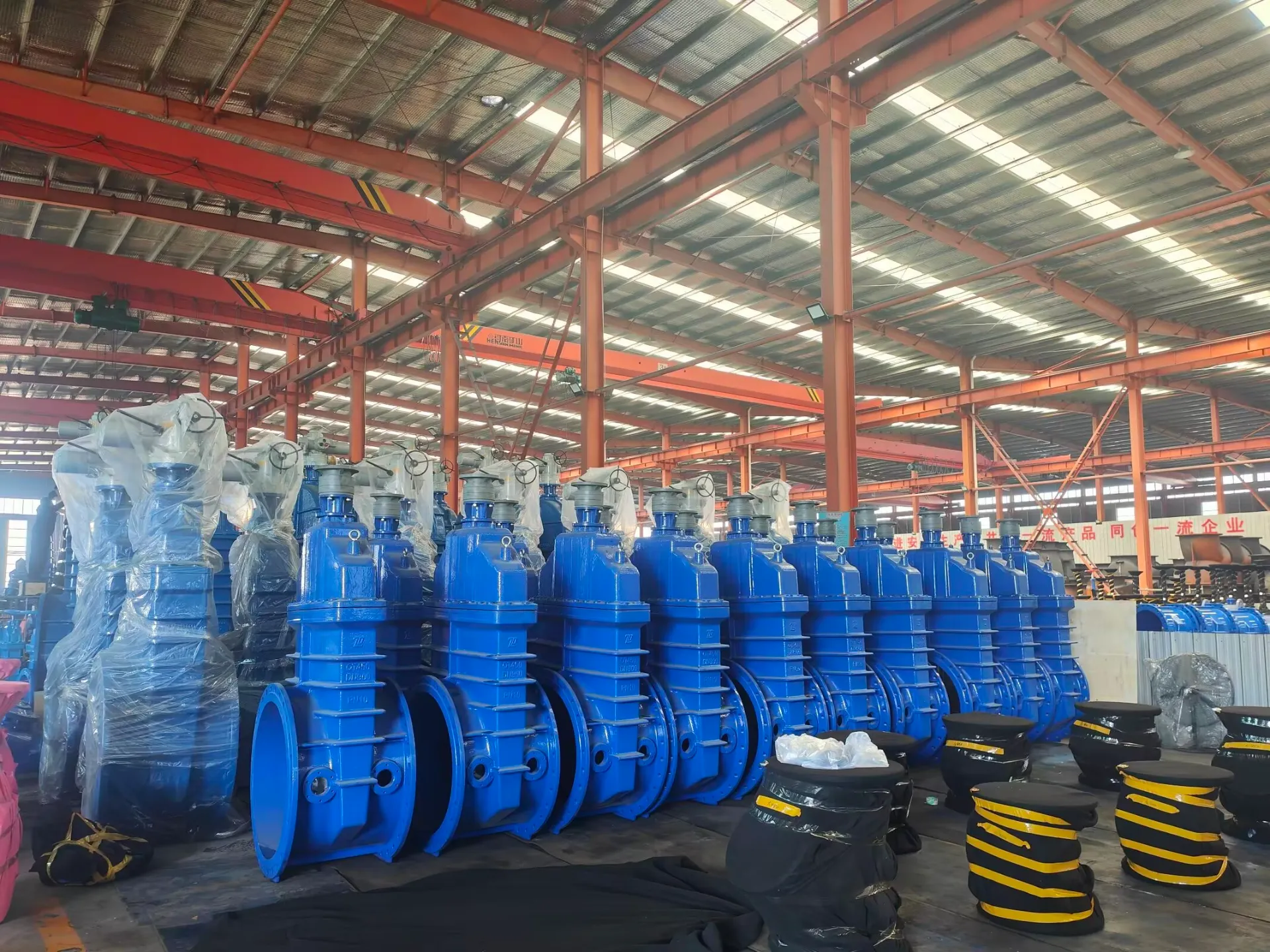
Quick Solutions for the Jamming Fault of Cast Iron Gate Valve
One of the most common issues faced with cast iron gate valves is jamming, which can occur due to dirt, debris, or corrosion build-up in the valve mechanism. When the gate valve becomes stuck, it can prevent the flow of fluids and lead to system inefficiencies or failure. Fortunately, there are quick solutions to resolve this issue:
Check the Valve Stem: Over time, the valve stem may accumulate rust or dirt, which can prevent smooth movement. Cleaning the stem with a suitable solvent or oil can often resolve minor jamming issues. Ensure that the stem is free from debris and properly lubricated.
Inspect for Foreign Objects: If debris or foreign objects have entered the valve, they can obstruct the movement of the gate. Disassembling the valve and removing any obstructions can restore normal functionality.
Examine the Gate: In some cases, the gate may have become misaligned or deformed due to pressure or wear. If this is the case, realigning or replacing the gate can prevent further issues. For more severe damage, consider replacing the entire valve.
By maintaining regular inspections and cleaning schedules, you can avoid jamming and extend the life of your van cổng gang.
Anti-Freezing Measures for Cast Iron Gate Valve in Winter
Winter can pose a serious threat to the functionality of cast iron gate valves, especially in regions with freezing temperatures. Freezing water inside the valve can lead to cracks, leaks, and malfunction. Taking preventive measures before the cold weather hits can save you from costly repairs and downtime. Here are some effective anti-freezing strategies:
Insulate the Valve: Adding insulation around the van cổng gang will help maintain a stable temperature and prevent freezing. Insulation wraps or covers can keep the valve protected from the elements and prevent any cold air from reaching the valve body.
Draining the Valve: Before the onset of winter, draining the valve and the associated pipeline is an effective measure to prevent freezing. This removes water that could freeze and cause internal damage to the valve.
Use of Heating Cables: In extremely cold climates, applying heating cables around the valve is a great way to prevent freezing. These cables maintain a safe, constant temperature, even when outdoor temperatures drop drastically.
Proper Valve Storage: If the van cổng gang is not in operation during the winter months, storing it in a warm and dry place until it is needed can help preserve its condition. Ensure that the valve is fully dry before storage to prevent rust or corrosion.
Implementing these anti-freezing measures will safeguard your van cổng gang and keep your system running smoothly throughout the winter.
How to Replace a Cast Iron Gate Valve
Over time, cast iron gate valves may require replacement due to wear, damage, or inefficiency. Whether you are upgrading your system or dealing with a faulty valve, here’s a step-by-step guide to replacing a van cổng gang:
Shut Off the Flow: Before beginning any work, make sure to shut off the water or gas supply to the system. This is crucial to avoid accidents or spillage while handling the valve.
Remove the Old Valve: Depending on the valve’s design, you may need to loosen the flange bolts or unthread the valve from the pipe connections. Carefully remove the valve from the pipeline, being cautious not to damage the surrounding pipework.
Inspect the Pipe Ends: After removing the old valve, inspect the pipe ends for any damage or corrosion. Clean the pipe ends and ensure that they are free from debris before installing the new valve.
Install the New Valve: Position the replacement van cổng gang in place and secure it using the appropriate bolts, nuts, or welding (depending on the connection type). Make sure the valve is aligned properly to ensure a tight seal.
Check for Leaks: Once the new valve is installed, turn the water or gas back on and check for leaks. Tighten any loose connections and ensure the valve operates smoothly.
Lubricate and Test the Valve: After installation, lubricate the valve’s moving parts and conduct a pressure test to ensure that it functions correctly. Testing the valve under operational conditions is essential to verify its performance.
By following these steps, you can efficiently replace a van cổng gang and ensure that your system is up and running quickly.
Why Choose Cast Iron Gate Valve from Reputable Cast Iron Valves Manufacturers?
When selecting a van cổng gang, choosing a reliable and experienced manufacturer is essential for ensuring quality and durability. Working with reputable cast iron valves manufacturers guarantees that you receive products made to the highest standards and designed for long-lasting performance.
Cast iron valves manufacturers that specialize in producing high-quality gate valves offer numerous benefits:
Customization: Leading manufacturers can customize cast iron gate valves to meet the specific needs of your system, whether for high-pressure applications, extreme temperatures, or corrosion resistance.
Reliability: Products from trusted manufacturers are rigorously tested to meet industry standards, ensuring that your van cổng gang performs consistently under demanding conditions.
Cost-Effective: By sourcing from reliable manufacturers, you can get competitive prices for cast iron gate valves without compromising on quality. Many manufacturers offer cost-effective solutions tailored to your budget.
Comprehensive Support: Renowned manufacturers offer comprehensive customer support, including expert advice, installation assistance, and warranty services, to ensure that your valve functions properly and lasts for years.
Cast Iron Gate Valve FAQs
What causes the jamming fault in a van cổng gang?
Jamming in cast iron gate valves is usually caused by debris accumulation, rust, or improper valve stem lubrication. Regular maintenance can prevent this issue.
How can I prevent my van cổng gang from freezing in the winter?
To prevent freezing, you can insulate the valve, drain the water from the valve, or use heating cables in extremely cold climates.
What is the proper procedure for replacing a van cổng gang?
To replace a van cổng gang, you must shut off the flow, remove the old valve, inspect the pipe ends, install the new valve, check for leaks, and lubricate the valve.
Why should I choose cast iron valves manufacturers for my valve needs?
Choosing reputable cast iron valves manufacturers ensures you get high-quality, customized, and durable valves with excellent customer support.
What are the benefits of choosing a van cổng gang for my system?
Cast iron gate valves offer reliable performance, corrosion resistance, and durability, making them ideal for various industrial and residential applications.
-
Comprehensive Guide to China Pipe Laterals Fittings for Global Trade ApplicationsTin tứcFeb.24,2026
-
China Extended Body Gate Valves A Comprehensive Guide To Selection And ApplicationTin tứcFeb.11,2026
-
Comprehensive Guide to China 3 Inch Butterfly Valve Selection and ApplicationsTin tứcJan.30,2026
-
Comprehensive Guide to Pipe Adaptors and Fittings for Efficient SystemsTin tứcJan.28,2026
-
Comprehensive Guide to Pipe T Fittings for Plumbing and Fluid Transfer SystemsTin tứcJan.28,2026
-
Comprehensive Guide to Union Pipe Fitting Selection and ApplicationsTin tứcJan.27,2026
-
Comprehensive Guide to China Angle Globe Valves for Industrial ApplicationsTin tứcJan.27,2026
 Vietnamese
 Afrikaans
  Albanian
  Amharic
  Arabic
  Armenian
  Azerbaijani
  Basque
  Belarusian
  Bengali
  Bosnian
  Bulgarian
  Catalan
  Cebuano
  Croatian
  Czech
Czech  Danish
  Dutch
Dutch  English Esperanto
  Estonian
  Finnish
  French
  Frisian
  Galician
  Georgian
  German
  Greek
Greek  Gujarati
  Hebrew
  Hindi
Hindi  Hungarian
  Icelandic
  Indonesian
  Italian
  Japanese
  Kannada
  Kazakh
  Khmer
Khmer  Korean
  Kurdish
  Lao
Lao  Latvian
  Lithuanian
  Macedonian
  Malay
Malay  Malayalam
  Marathi
  Mongolian
  Myanmar
  Nepali
  Norwegian
  Pashto
  Persian
  Polish
  Portuguese
  Panjabi
  Romanian
  Russian
  Scottish Gaelic
  Serbian
  Sinhala
  Slovak
  Slovenian
  Spanish
  Swahili
  Swedish
  Tagalog
  Tamil
Tamil  Tatar
Tatar  Telugu
  Thai
Thai  Turkish
  Ukrainian
  Urdu
Urdu  Uighur
  Uzbek
Uzbek  Welsh
Welsh