 86-312-8695888
 86-13722963501
 info@hbysindustry.com
-
 Người châu Phi
-
 tiếng Albania
-
 tiếng Amharic
-
 tiếng Ả Rập
-
 tiếng Armenia
-
 Tiếng Azerbaijan
-
 Tiếng Basque
-
 Người Belarus
-
 tiếng Bengali
-
 tiếng Bosnia
-
 tiếng Bungari
-
 tiếng Catalan
-
 Cebuano
-
 Corsican
-
 tiếng Croatia
-
 tiếng Séc
-
 người Đan Mạch
-
 tiếng Hà Lan
-
 Tiếng Anh
-
 Quốc tế ngữ
-
 tiếng Estonia
-
 tiếng Phần Lan
-
 người Pháp
-
 tiếng Frisia
-
 tiếng Galicia
-
 tiếng Gruzia
-
 tiếng Đức
-
 người Hy Lạp
-
 Gujarati
-
 Tiếng Creole Haiti
-
 hausa
hausa
-
 người Hawaii
-
 tiếng Do Thái
-
 Không
Không
-
 Miêu
Miêu
-
 người Hungary
-
 tiếng Iceland
-
 igbo
igbo
-
 tiếng Indonesia
-
 người Ailen
-
 người Ý
-
 tiếng Nhật
-
 tiếng Java
-
 tiếng Kannada
-
 kazakh
-
 tiếng Khmer
-
 người Rwanda
-
 Hàn Quốc
-
 người Kurd
-
 Tiếng Kyrgyzstan
-
 Lao
Lao
-
 Latin
Latin
-
 tiếng Latvia
-
 tiếng Litva
-
 Tiếng Luxembourg
-
 Tiếng Macedonia
-
 Malgashi
-
 Mã Lai
-
 Mã Lai
-
 cây nho
-
 người Maori
-
 Tiếng Marathi
-
 tiếng Mông Cổ
-
 Myanmar
-
 tiếng Nepal
-
 người Na Uy
-
 người Na Uy
-
 tiếng Occitan
-
 Tiếng Pa-tô
-
 tiếng Ba Tư
-
 Đánh bóng
-
 tiếng Bồ Đào Nha
-
 Tiếng Punjab
-
 người Rumani
-
 tiếng Nga
-
 Tiếng Samoa
-
 Tiếng Gaelic của Scotland
-
 tiếng Serbia
-
 Tiếng Anh
-
 Shona
Shona
-
 tiếng Sindhi
-
 Sinhala
-
 Tiếng Slovak
-
 tiếng Slovenia
-
 tiếng Somali
-
 người Tây Ban Nha
-
 Tiếng Sundan
-
 tiếng Swahili
-
 tiếng Thụy Điển
-
 Tagalog
-
 Tiếng Tajik
-
 Tiếng Tamil
-
 Tatar
Tatar
-
 tiếng Telugu
-
 tiếng Thái
-
 tiếng Thổ Nhĩ Kỳ
-
 người Thổ Nhĩ Kỳ
-
 tiếng Ukraina
-
 tiếng Urdu
-
 người Duy Ngô Nhĩ
-
 tiếng Uzbek
-
 Tiếng Việt
-
 người xứ Wales
-
 Giúp đỡ
-
 tiếng Yiddish
-
 Yoruba
-
 Zulu
Zulu


Centerline Butterfly Valve | Zero-Leak, Low Torque, Durable
Field Notes on the Centerline Butterfly Valve in Real-World Water Systems
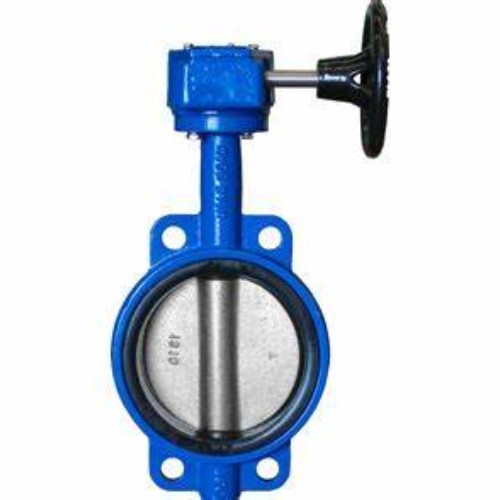
I’ve stood on enough pump-room floors to know: when a valve just works, nobody talks about it. When it doesn’t, everyone does. That’s why the D371X-10 wafer model with turbine (gear operator) from HBYS has been getting a lot of quiet praise lately. Built in North Guzhuangying Village, Ansu Town, Xushui District, Baoding, Hebei, China, it’s aimed straight at municipal and building water duties—no drama, just steady control.
What’s trending (and what’s noise)
Utilities keep pushing for lower torque, longer seat life, and coatings that shrug off marginal water chemistry. At the same time, project managers want short lead times and consistent QA. The sweet spot—especially for a Centerline Butterfly Valve—is a DN40–DN1000 lineup that can handle PN10/16, stay leak-tight under ISO-type testing, and play nice with wafer connections during tight retrofits. This D371X-10 checks those boxes, frankly with less fuss than some pricier brands.
Product snapshot: D371X-10 (Wafer, gear-operated)
| Size Range | DN40–DN1000 |
| Pressure Rating | PN10–PN16 (≈1.0–1.6 MPa) |
| Medium | Water (treated or raw; real-world use may vary) |
| Temperature | ≤ 80 °C |
| Body Material | Gray cast iron or ductile iron (nodular) |
| Connection | Wafer type (fits common flange standards) |
| Operator | Handwheel gear (turbine) |

How it’s built (short version)
- Materials: DI/CI body, epoxy or fusion-bonded coating; stainless shaft; elastomer seat (EPDM is typical for potable water).
- Methods: Precision-machined centerline disc-seat geometry for low breakaway torque; wafer alignment lugs for quick install.
- Testing: Hydrostatic shell ≈1.5×PN, seat test ≈1.1×PN; leak rate per ISO 5208 Rate A/zero-leak for soft seat targets; torque and cycle tests for gear.
- Service life: Often 25,000–50,000 cycles in water duty if installed and operated correctly (field results vary).
- Standards touchpoints: API 609, EN 593, MSS SP-67. Coatings typically align with ISO 12944 practices for corrosion protection.

Where it fits best
Water treatment plants, district cooling loops, building risers, irrigation mains, and raw-water intakes. If you need compact shutoff/isolation with reliable throttling-in-a-pinch, a Centerline Butterfly Valve like this is often the practical choice.
Advantages we keep hearing about
- Low operating torque with the gear operator; easier on techs.
- Wafer body saves space and cost in retrofits.
- Seat resiliency holds tight even after minor debris events—surprisingly forgiving.
Vendor snapshot (field perspective)
| Vendor | Materials & Build | QA/Testing | Lead Time | Notes |
|---|---|---|---|---|
| HBYS (Baoding, Hebei) | DI/CI body, EPDM seat, gear operator; clean machining | ISO 9001 plant; hydro/seat tests per ISO 5208 | Around 2–5 weeks for common sizes | Good value/quality balance |
| Generic Import | Mixed materials; spec sheets vary | Inconsistent documentation | 1–8 weeks | Check seat compound and coating |
| Regional Brand | Robust DI, premium coat options | API/EN witnessed tests offered | 3–6 weeks | Higher price, wider approvals |
Customization and paperwork
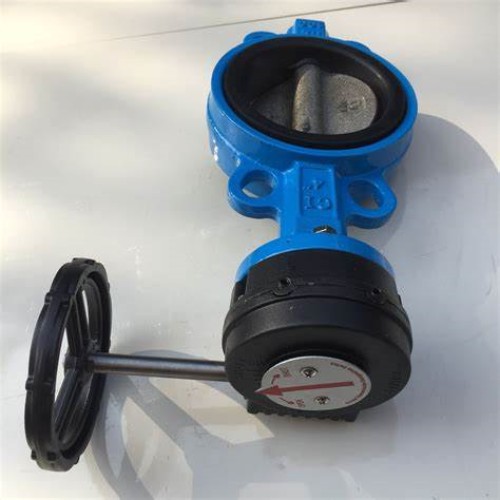
Options include disc materials for corrosion, alternate seats (e.g., NBR), locking gear, actuator-ready stems, and potable-water coatings. Certifications typically include ISO 9001 factory QA and, upon request, material traceability and hydrostatic test reports. For some regions, AWWA/WRAS-style documentation may be available—ask early.
Mini case files
- Municipal plant upgrade: 32 units DN300–DN600, PN16. Seat tests achieved zero visible leakage at 1.1×PN. Operators liked the smooth gear feel.
- HVAC retrofit in a high-rise: DN150 wafer swaps reduced flange-to-flange space by ≈20%, cutting install time in half, according to the GC.
Customer feedback? “Set-and-forget” was the phrase from one maintenance lead. Another noted that gasket alignment was “easier than expected”—which is code for the wafer body machining being true.
Bottom line
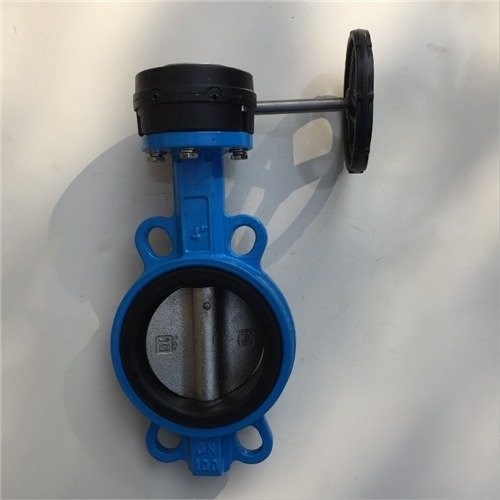
If you’re speccing a Centerline Butterfly Valve for water at ≤80 °C and PN10/16, this D371X-10 wafer with gear is a practical, budget-sensible pick. It’s not overengineered, but it is well-executed—exactly what most projects need.
Authoritative references
-
Comprehensive Guide to China Pipe Laterals Fittings for Global Trade ApplicationsTin tứcFeb.24,2026
-
China Extended Body Gate Valves A Comprehensive Guide To Selection And ApplicationTin tứcFeb.11,2026
-
Comprehensive Guide to China 3 Inch Butterfly Valve Selection and ApplicationsTin tứcJan.30,2026
-
Comprehensive Guide to Pipe Adaptors and Fittings for Efficient SystemsTin tứcJan.28,2026
-
Comprehensive Guide to Pipe T Fittings for Plumbing and Fluid Transfer SystemsTin tứcJan.28,2026
-
Comprehensive Guide to Union Pipe Fitting Selection and ApplicationsTin tứcJan.27,2026
-
Comprehensive Guide to China Angle Globe Valves for Industrial ApplicationsTin tứcJan.27,2026
 Vietnamese
 Afrikaans
  Albanian
  Amharic
  Arabic
  Armenian
  Azerbaijani
  Basque
  Belarusian
  Bengali
  Bosnian
  Bulgarian
  Catalan
  Cebuano
  Croatian
  Czech
Czech  Danish
  Dutch
Dutch  English Esperanto
  Estonian
  Finnish
  French
  Frisian
  Galician
  Georgian
  German
  Greek
Greek  Gujarati
  Hebrew
  Hindi
Hindi  Hungarian
  Icelandic
  Indonesian
  Italian
  Japanese
  Kannada
  Kazakh
  Khmer
Khmer  Korean
  Kurdish
  Lao
Lao  Latvian
  Lithuanian
  Macedonian
  Malay
Malay  Malayalam
  Marathi
  Mongolian
  Myanmar
  Nepali
  Norwegian
  Pashto
  Persian
  Polish
  Portuguese
  Panjabi
  Romanian
  Russian
  Scottish Gaelic
  Serbian
  Sinhala
  Slovak
  Slovenian
  Spanish
  Swahili
  Swedish
  Tagalog
  Tamil
Tamil  Tatar
Tatar  Telugu
  Thai
Thai  Turkish
  Ukrainian
  Urdu
Urdu  Uighur
  Uzbek
Uzbek  Welsh
Welsh