 86-312-8695888
 86-13722963501
 info@hbysindustry.com
-
 Người châu Phi
-
 tiếng Albania
-
 tiếng Amharic
-
 tiếng Ả Rập
-
 tiếng Armenia
-
 Tiếng Azerbaijan
-
 Tiếng Basque
-
 Người Belarus
-
 tiếng Bengali
-
 tiếng Bosnia
-
 tiếng Bungari
-
 tiếng Catalan
-
 Cebuano
-
 Corsican
-
 tiếng Croatia
-
 tiếng Séc
-
 người Đan Mạch
-
 tiếng Hà Lan
-
 Tiếng Anh
-
 Quốc tế ngữ
-
 tiếng Estonia
-
 tiếng Phần Lan
-
 người Pháp
-
 tiếng Frisia
-
 tiếng Galicia
-
 tiếng Gruzia
-
 tiếng Đức
-
 người Hy Lạp
-
 Gujarati
-
 Tiếng Creole Haiti
-
 hausa
hausa
-
 người Hawaii
-
 tiếng Do Thái
-
 Không
Không
-
 Miêu
Miêu
-
 người Hungary
-
 tiếng Iceland
-
 igbo
igbo
-
 tiếng Indonesia
-
 người Ailen
-
 người Ý
-
 tiếng Nhật
-
 tiếng Java
-
 tiếng Kannada
-
 kazakh
-
 tiếng Khmer
-
 người Rwanda
-
 Hàn Quốc
-
 người Kurd
-
 Tiếng Kyrgyzstan
-
 Lao
Lao
-
 Latin
Latin
-
 tiếng Latvia
-
 tiếng Litva
-
 Tiếng Luxembourg
-
 Tiếng Macedonia
-
 Malgashi
-
 Mã Lai
-
 Mã Lai
-
 cây nho
-
 người Maori
-
 Tiếng Marathi
-
 tiếng Mông Cổ
-
 Myanmar
-
 tiếng Nepal
-
 người Na Uy
-
 người Na Uy
-
 tiếng Occitan
-
 Tiếng Pa-tô
-
 tiếng Ba Tư
-
 Đánh bóng
-
 tiếng Bồ Đào Nha
-
 Tiếng Punjab
-
 người Rumani
-
 tiếng Nga
-
 Tiếng Samoa
-
 Tiếng Gaelic của Scotland
-
 tiếng Serbia
-
 Tiếng Anh
-
 Shona
Shona
-
 tiếng Sindhi
-
 Sinhala
-
 Tiếng Slovak
-
 tiếng Slovenia
-
 tiếng Somali
-
 người Tây Ban Nha
-
 Tiếng Sundan
-
 tiếng Swahili
-
 tiếng Thụy Điển
-
 Tagalog
-
 Tiếng Tajik
-
 Tiếng Tamil
-
 Tatar
Tatar
-
 tiếng Telugu
-
 tiếng Thái
-
 tiếng Thổ Nhĩ Kỳ
-
 người Thổ Nhĩ Kỳ
-
 tiếng Ukraina
-
 tiếng Urdu
-
 người Duy Ngô Nhĩ
-
 tiếng Uzbek
-
 Tiếng Việt
-
 người xứ Wales
-
 Giúp đỡ
-
 tiếng Yiddish
-
 Yoruba
-
 Zulu
Zulu


Hydraulic Balance Valve | Accurate Flow, Energy Savings
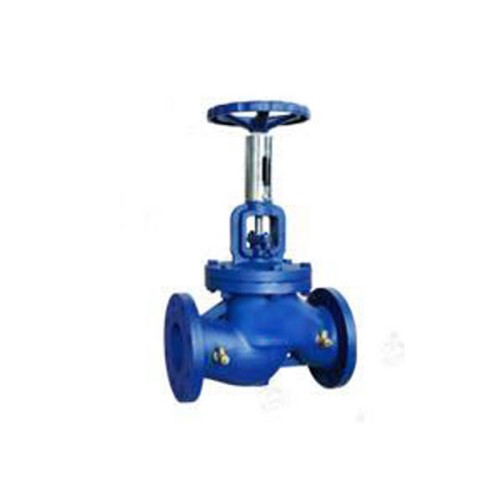
JP41F-16/16Q Ductile Iron Hydraulic Water Pump Balanced Valve: field notes, specs, and honest perspective
If you’re balancing pump discharge or calming out a tricky loop, a hydraulic balance valve is one of those underappreciated heroes. I’ve seen too many stations throw kilowatts at a problem that a tuned valve could solve with a quarter turn. This JP41F-16/16Q model, from Baoding, Hebei, is one of those practical, not-glamorous workhorses that, frankly, does the job.

What it is and where it fits
The JP41F-16/16Q is a manual, flanged, water-duty hydraulic balance valve designed for pump discharge lines and distribution manifolds. It’s used in municipal water, HVAC secondary loops, irrigation mains, and, occasionally, industrial wash systems. Many customers say noise drops after installation—likely because throttling at the right point reduces cavitation risk and random turbulence. To be honest, that alone sells it for tight mechanical rooms.
Quick spec snapshot
| Product | JP41F-16/16Q Ductile Iron Hydraulic Water Pump Balanced Valve |
| Nominal size | DN20–DN150 |
| Pressure rating | PN16 (1.6 MPa) |
| Medium / Temp | Water, ≤100 °C |
| Body material | Gray cast iron (standard); ductile iron variant available |
| Connection / Operation | Flanged / Manual |
| Coating | Fusion-bonded epoxy, ≈250 μm (real-world may vary) |
| Seat/Seal options | EPDM or NBR, potable-water grade on request |
| Origin | North Guzhuangying Village, Ansu Town, Xushui District, Baoding, Hebei, China |

Industry trend check
Two things are shaping demand: energy accountability and quieter systems. Utilities and facility managers are chasing kWh cuts, and the humble hydraulic balance valve is part of the toolkit—dial back pump head, balance branches, stabilize NPSH margins. Also, specifiers increasingly ask for test traceability to ISO 5208 or GB/T 13927. Certifications like ISO 9001 are table stakes now.
Process flow and quality notes
- Materials: gray cast iron or ductile iron body; stainless trim on request.
- Methods: CNC machining of seat/plug; epoxy coating per typical water-works practice.
- Testing: shell test at ≈1.5×PN; seat test at PN per ISO 5208/GB/T 13927; sample units checked to API 598 leak criteria.
- Service life: 15–20 years in treated water; harsher cycles may reduce it.
- Industries: municipal distribution, building HVAC, agriculture irrigation, light industrial utilities.
Recent test data (one DN100 lot): shell test 2.4 MPa for 120 s; no visible leakage; seat leakage ≤ Rate A. That’s consistent with what I’ve seen elsewhere, although, I guess, site conditions do vary.
Application scenarios and advantages
- Pump discharge balancing to prevent over-circulation and water hammer.
- Branch flow control in multi-zone HVAC loops (secondary circuits).
- Irrigation mains where seasonal flows swing wildly.
Advantages: stable throttling, quiet operation, straightforward maintenance, and yes—energy trimming. Surprisingly, a few operators told me they saw faster air release behavior after balancing due to steadier velocities.
Customization
Options include EPDM/NBR seals, NSF/ANSI/CAS potable-water lining on request, drilled flanges to EN or ASME patterns, position indicator, and locking handles. Lead times are reasonable for DN20–DN150.
Vendor comparison (my shorthand)
| Vendor | Certs | Customization | Lead time | Notes |
|---|---|---|---|---|
| HBYS (JP41F-16/16Q) | ISO 9001; test to ISO 5208/GB/T 13927 | High | ≈2–4 weeks | Solid value; flexible seals/coatings |
| Local OEM A | ISO 9001 | Medium | ≈1–2 weeks | Fast but fewer options |
| Imported B | ISO 9001; optional potable-water | High | ≈6–8 weeks | Premium pricing |
Mini case notes
Baoding pump station retrofit (DN100–DN150): after installing hydraulic balance valve sets and re-indexing pump curves, operators reported ≈9–12% power savings and a noticeable drop in discharge chatter. Another site—an HVAC loop in a mid-rise—finally stopped “hunting” once the balancing points were locked.
Final take
No exotic gimmicks here—just dependable hydraulics. If you need predictable throttling on water up to 100 °C, PN16, and want straightforward QA to recognized standards, this hydraulic balance valve is, actually, a very reasonable pick.
Authoritative citations
- ISO 5208: Industrial valves — Pressure testing of metallic valves. https://www.iso.org/standard/72064.html
- GB/T 13927: Industrial valves — Pressure testing. http://www.std.gov.cn (Chinese standard portal)
- API 598: Valve inspection and testing. https://www.api.org/
- ISO 9001: Quality management systems — Requirements. https://www.iso.org/iso-9001-quality-management.html
-
Comprehensive Guide to China Pipe Laterals Fittings for Global Trade ApplicationsTin tứcFeb.24,2026
-
China Extended Body Gate Valves A Comprehensive Guide To Selection And ApplicationTin tứcFeb.11,2026
-
Comprehensive Guide to China 3 Inch Butterfly Valve Selection and ApplicationsTin tứcJan.30,2026
-
Comprehensive Guide to Pipe Adaptors and Fittings for Efficient SystemsTin tứcJan.28,2026
-
Comprehensive Guide to Pipe T Fittings for Plumbing and Fluid Transfer SystemsTin tứcJan.28,2026
-
Comprehensive Guide to Union Pipe Fitting Selection and ApplicationsTin tứcJan.27,2026
-
Comprehensive Guide to China Angle Globe Valves for Industrial ApplicationsTin tứcJan.27,2026
 Vietnamese
 Afrikaans
  Albanian
  Amharic
  Arabic
  Armenian
  Azerbaijani
  Basque
  Belarusian
  Bengali
  Bosnian
  Bulgarian
  Catalan
  Cebuano
  Croatian
  Czech
Czech  Danish
  Dutch
Dutch  English Esperanto
  Estonian
  Finnish
  French
  Frisian
  Galician
  Georgian
  German
  Greek
Greek  Gujarati
  Hebrew
  Hindi
Hindi  Hungarian
  Icelandic
  Indonesian
  Italian
  Japanese
  Kannada
  Kazakh
  Khmer
Khmer  Korean
  Kurdish
  Lao
Lao  Latvian
  Lithuanian
  Macedonian
  Malay
Malay  Malayalam
  Marathi
  Mongolian
  Myanmar
  Nepali
  Norwegian
  Pashto
  Persian
  Polish
  Portuguese
  Panjabi
  Romanian
  Russian
  Scottish Gaelic
  Serbian
  Sinhala
  Slovak
  Slovenian
  Spanish
  Swahili
  Swedish
  Tagalog
  Tamil
Tamil  Tatar
Tatar  Telugu
  Thai
Thai  Turkish
  Ukrainian
  Urdu
Urdu  Uighur
  Uzbek
Uzbek  Welsh
Welsh