 86-312-8695888
 86-13722963501
 info@hbysindustry.com
-
 Người châu Phi
-
 tiếng Albania
-
 tiếng Amharic
-
 tiếng Ả Rập
-
 tiếng Armenia
-
 Tiếng Azerbaijan
-
 Tiếng Basque
-
 Người Belarus
-
 tiếng Bengali
-
 tiếng Bosnia
-
 tiếng Bungari
-
 tiếng Catalan
-
 Cebuano
-
 Corsican
-
 tiếng Croatia
-
 tiếng Séc
-
 người Đan Mạch
-
 tiếng Hà Lan
-
 Tiếng Anh
-
 Quốc tế ngữ
-
 tiếng Estonia
-
 tiếng Phần Lan
-
 người Pháp
-
 tiếng Frisia
-
 tiếng Galicia
-
 tiếng Gruzia
-
 tiếng Đức
-
 người Hy Lạp
-
 Gujarati
-
 Tiếng Creole Haiti
-
 hausa
hausa
-
 người Hawaii
-
 tiếng Do Thái
-
 Không
Không
-
 Miêu
Miêu
-
 người Hungary
-
 tiếng Iceland
-
 igbo
igbo
-
 tiếng Indonesia
-
 người Ailen
-
 người Ý
-
 tiếng Nhật
-
 tiếng Java
-
 tiếng Kannada
-
 kazakh
-
 tiếng Khmer
-
 người Rwanda
-
 Hàn Quốc
-
 người Kurd
-
 Tiếng Kyrgyzstan
-
 Lao
Lao
-
 Latin
Latin
-
 tiếng Latvia
-
 tiếng Litva
-
 Tiếng Luxembourg
-
 Tiếng Macedonia
-
 Malgashi
-
 Mã Lai
-
 Mã Lai
-
 cây nho
-
 người Maori
-
 Tiếng Marathi
-
 tiếng Mông Cổ
-
 Myanmar
-
 tiếng Nepal
-
 người Na Uy
-
 người Na Uy
-
 tiếng Occitan
-
 Tiếng Pa-tô
-
 tiếng Ba Tư
-
 Đánh bóng
-
 tiếng Bồ Đào Nha
-
 Tiếng Punjab
-
 người Rumani
-
 tiếng Nga
-
 Tiếng Samoa
-
 Tiếng Gaelic của Scotland
-
 tiếng Serbia
-
 Tiếng Anh
-
 Shona
Shona
-
 tiếng Sindhi
-
 Sinhala
-
 Tiếng Slovak
-
 tiếng Slovenia
-
 tiếng Somali
-
 người Tây Ban Nha
-
 Tiếng Sundan
-
 tiếng Swahili
-
 tiếng Thụy Điển
-
 Tagalog
-
 Tiếng Tajik
-
 Tiếng Tamil
-
 Tatar
Tatar
-
 tiếng Telugu
-
 tiếng Thái
-
 tiếng Thổ Nhĩ Kỳ
-
 người Thổ Nhĩ Kỳ
-
 tiếng Ukraina
-
 tiếng Urdu
-
 người Duy Ngô Nhĩ
-
 tiếng Uzbek
-
 Tiếng Việt
-
 người xứ Wales
-
 Giúp đỡ
-
 tiếng Yiddish
-
 Yoruba
-
 Zulu
Zulu


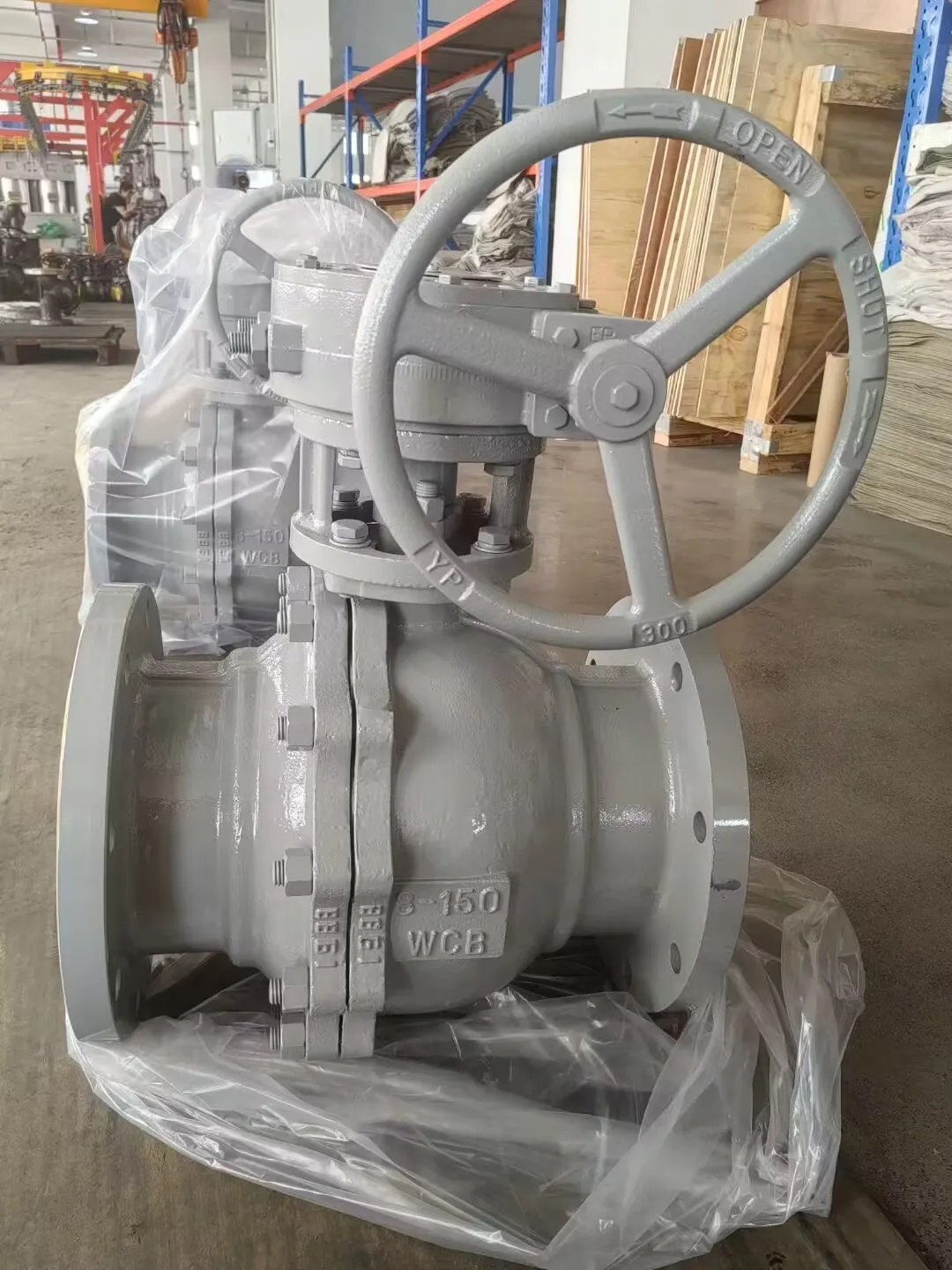
Manual Gate Valve: A Comprehensive Look at Performance, Durability, and Design
Manual gate valves are widely recognized for their robust functionality in regulating flow within pipelines. Whether you're considering a manual slide gate valve, exploring the design advantages of a manual slide gate valve design, or contemplating a manual gate valve with limit switch, understanding the core differences between manual and automatic valves, durability factors, and material advantages will help ensure you select the right solution for your system. This article will dive deep into the unique benefits of manual gate valves, compare them with automatic variants, highlight the durability of cast iron manual gate valves, and explore the superior advantages of stainless steel manual gate valves in corrosive environments.
Analysis of the Core Differences Between Manual Gate Valves and Automatic Gate Valves
When selecting between a van cổng bằng tay and an automatic gate valve, it's crucial to understand their functional differences and ideal applications. Both types of valves serve similar purposes but differ significantly in operation and suitability for different tasks.
Manual Control: A van cổng bằng tay is operated by hand using a wheel or lever, which gives operators direct control over the flow rate. This manual control is beneficial in situations where precise, controlled flow is necessary and the valve is not frequently operated. It's perfect for maintenance-intensive environments or when only occasional adjustments are needed.
Automated Operation: In contrast, automatic gate valves are powered by actuators and sensors, which allow them to open and close based on preset conditions or remote control. These valves are ideal for high-volume systems where constant monitoring and quick response times are needed. They are often used in processes requiring constant flow control, where human operation may not be feasible.
Cost Considerations: Manual gate valves are generally more cost-effective to purchase and maintain compared to their automatic counterparts. This makes them a great option for systems where automation is not a necessity and where budget constraints are important.
In short, while manual gate valves offer simplicity, reliability, and cost-effectiveness, automatic gate valves provide more complex, hands-off control suited for larger-scale systems or those requiring frequent adjustments.
How Durable are Cast Iron Manual Gate Valves?
Cast iron manual gate valves are widely appreciated for their strength, longevity, and excellent performance in demanding applications. Cast iron, a material known for its durability, is the go-to choice for manual gate valves in various industries, including water treatment, oil and gas, and civil infrastructure.
High Strength and Longevity: Cast iron provides exceptional strength, making it highly resistant to external forces. Its tough nature ensures that cast iron manual gate valves can withstand high pressure and heavy loads without compromising performance. With regular maintenance, these valves can last decades, even under harsh operating conditions.
Corrosion Resistance: While not as corrosion-resistant as materials like stainless steel, cast iron still offers a degree of resistance, particularly when used with protective coatings. This resistance helps protect the valve from rust and wear, extending its lifespan.
Cost-Effective Durability: Compared to other materials like bronze or stainless steel, cast iron manual gate valves are more affordable, making them an excellent choice for projects where budget considerations are paramount.
However, despite its durability, cast iron is more prone to cracking under extreme conditions compared to stronger alloys. Hence, proper care during installation and operation is necessary to maximize its service life.
The Advantages of Stainless Steel Manual Gate Valves in Corrosive Environments
For systems exposed to highly corrosive elements, stainless steel manual gate valves are the preferred choice. Known for their exceptional resistance to corrosion and wear, these valves offer numerous advantages when operating in environments that would otherwise damage ordinary materials.
Superior Corrosion Resistance: Stainless steel is inherently resistant to rust and corrosion, making stainless steel manual gate valves ideal for use in industries where exposure to water, chemicals, or saline environments is common. This material’s resistance to chloride-induced stress corrosion cracking and other forms of corrosion ensures the valve's reliability and extended service life in harsh environments.
Enhanced Durability and Strength: Aside from its resistance to corrosion, stainless steel offers excellent mechanical properties, including high tensile strength and resistance to extreme temperatures. This makes stainless steel manual gate valves suitable for both low and high-pressure systems, maintaining their integrity even under challenging conditions.
Maintenance and Longevity: The durability of stainless steel manual gate valves translates into fewer repairs and less frequent replacements, ultimately reducing long-term operating costs. Furthermore, stainless steel valves require less maintenance due to their corrosion resistance, making them a smart choice for environments where regular upkeep is difficult or costly.
Aesthetic and Hygienic Properties: For industries such as food processing, pharmaceuticals, and chemicals, the hygienic properties of stainless steel manual gate valves make them invaluable. Stainless steel is non-porous and easy to clean, ensuring that contaminants do not accumulate on the valve surface.
Key Features of Manual Slide Gate Valve Design
Manual slide gate valve design is highly regarded for its straightforward, reliable function, which enables precise control over the flow of liquids or gases in pipeline systems. The manual slide gate valve offers several advantages:
Simplicity and Control: The manual slide gate valve design allows for simple, hands-on operation. Unlike automated alternatives, it provides the operator with full control over the valve, making it ideal for applications where manual intervention is preferred.
Low Maintenance: Due to its simple construction and fewer moving parts, manual slide gate valves are easy to maintain. The design is less prone to failure and wear, reducing the need for costly repairs and replacements.
Flexibility in Design: Available in various materials, including cast iron and stainless steel, manual slide gate valve design can be customized to meet the specific needs of different industrial sectors. Whether you need a valve for high-pressure systems, corrosive environments, or general fluid control, this valve design provides the necessary flexibility.
The Functionality of Manual Gate Valve with Limit Switch
A manual gate valve with limit switch is an advanced version of the traditional van cổng bằng tay, integrating an additional feature that enhances functionality and safety. The limit switch allows for precise control of the valve’s position, preventing over-travel and minimizing the risk of damage or system malfunction.
Improved Operational Safety: The manual gate valve with limit switch ensures that the valve is fully opened or closed, preventing accidental intermediate positions that could lead to leaks or pressure loss. This feature is particularly beneficial in automated systems where safety is a priority.
Enhanced Control: The limit switch provides operators with real-time feedback on the valve’s position, making it easier to control and monitor the valve remotely or through a control system.
Integration with Automation: Although manual gate valves are typically manual, the inclusion of a limit switch allows for partial automation, giving operators more flexibility in system management.
Manual Gate Valve FAQs
What are the main differences between manual gate valves and automatic gate valves?
Manual gate valves require human intervention for operation, offering simple, reliable control, while automatic gate valves operate via actuators and sensors for hands-off control.
How durable are cast iron manual gate valves?
Cast iron manual gate valves are durable and cost-effective, with good strength for handling high-pressure systems, though they can be prone to cracking under extreme conditions.
Why are stainless steel manual gate valves ideal for corrosive environments?
Stainless steel manual gate valves offer superior resistance to rust, corrosion, and wear, making them perfect for systems exposed to water, chemicals, and saline environments.
What are the benefits of the manual slide gate valve design?
The manual slide gate valve design provides simple, reliable control with low maintenance needs, and can be customized for various industrial applications.
How does a manual gate valve with limit switch improve control?
A manual gate valve with limit switch allows for precise control, preventing over-travel and ensuring the valve remains fully open or closed, improving operational safety and feedback.
-
Comprehensive Guide to China Pipe Laterals Fittings for Global Trade ApplicationsTin tứcFeb.24,2026
-
China Extended Body Gate Valves A Comprehensive Guide To Selection And ApplicationTin tứcFeb.11,2026
-
Comprehensive Guide to China 3 Inch Butterfly Valve Selection and ApplicationsTin tứcJan.30,2026
-
Comprehensive Guide to Pipe Adaptors and Fittings for Efficient SystemsTin tứcJan.28,2026
-
Comprehensive Guide to Pipe T Fittings for Plumbing and Fluid Transfer SystemsTin tứcJan.28,2026
-
Comprehensive Guide to Union Pipe Fitting Selection and ApplicationsTin tứcJan.27,2026
-
Comprehensive Guide to China Angle Globe Valves for Industrial ApplicationsTin tứcJan.27,2026
 Vietnamese
 Afrikaans
  Albanian
  Amharic
  Arabic
  Armenian
  Azerbaijani
  Basque
  Belarusian
  Bengali
  Bosnian
  Bulgarian
  Catalan
  Cebuano
  Croatian
  Czech
Czech  Danish
  Dutch
Dutch  English Esperanto
  Estonian
  Finnish
  French
  Frisian
  Galician
  Georgian
  German
  Greek
Greek  Gujarati
  Hebrew
  Hindi
Hindi  Hungarian
  Icelandic
  Indonesian
  Italian
  Japanese
  Kannada
  Kazakh
  Khmer
Khmer  Korean
  Kurdish
  Lao
Lao  Latvian
  Lithuanian
  Macedonian
  Malay
Malay  Malayalam
  Marathi
  Mongolian
  Myanmar
  Nepali
  Norwegian
  Pashto
  Persian
  Polish
  Portuguese
  Panjabi
  Romanian
  Russian
  Scottish Gaelic
  Serbian
  Sinhala
  Slovak
  Slovenian
  Spanish
  Swahili
  Swedish
  Tagalog
  Tamil
Tamil  Tatar
Tatar  Telugu
  Thai
Thai  Turkish
  Ukrainian
  Urdu
Urdu  Uighur
  Uzbek
Uzbek  Welsh
Welsh