 86-312-8695888
 86-13722963501
 info@hbysindustry.com
-
 Người châu Phi
-
 tiếng Albania
-
 tiếng Amharic
-
 tiếng Ả Rập
-
 tiếng Armenia
-
 Tiếng Azerbaijan
-
 Tiếng Basque
-
 Người Belarus
-
 tiếng Bengali
-
 tiếng Bosnia
-
 tiếng Bungari
-
 tiếng Catalan
-
 Cebuano
-
 Corsican
-
 tiếng Croatia
-
 tiếng Séc
-
 người Đan Mạch
-
 tiếng Hà Lan
-
 Tiếng Anh
-
 Quốc tế ngữ
-
 tiếng Estonia
-
 tiếng Phần Lan
-
 người Pháp
-
 tiếng Frisia
-
 tiếng Galicia
-
 tiếng Gruzia
-
 tiếng Đức
-
 người Hy Lạp
-
 Gujarati
-
 Tiếng Creole Haiti
-
 hausa
hausa
-
 người Hawaii
-
 tiếng Do Thái
-
 Không
Không
-
 Miêu
Miêu
-
 người Hungary
-
 tiếng Iceland
-
 igbo
igbo
-
 tiếng Indonesia
-
 người Ailen
-
 người Ý
-
 tiếng Nhật
-
 tiếng Java
-
 tiếng Kannada
-
 kazakh
-
 tiếng Khmer
-
 người Rwanda
-
 Hàn Quốc
-
 người Kurd
-
 Tiếng Kyrgyzstan
-
 Lao
Lao
-
 Latin
Latin
-
 tiếng Latvia
-
 tiếng Litva
-
 Tiếng Luxembourg
-
 Tiếng Macedonia
-
 Malgashi
-
 Mã Lai
-
 Mã Lai
-
 cây nho
-
 người Maori
-
 Tiếng Marathi
-
 tiếng Mông Cổ
-
 Myanmar
-
 tiếng Nepal
-
 người Na Uy
-
 người Na Uy
-
 tiếng Occitan
-
 Tiếng Pa-tô
-
 tiếng Ba Tư
-
 Đánh bóng
-
 tiếng Bồ Đào Nha
-
 Tiếng Punjab
-
 người Rumani
-
 tiếng Nga
-
 Tiếng Samoa
-
 Tiếng Gaelic của Scotland
-
 tiếng Serbia
-
 Tiếng Anh
-
 Shona
Shona
-
 tiếng Sindhi
-
 Sinhala
-
 Tiếng Slovak
-
 tiếng Slovenia
-
 tiếng Somali
-
 người Tây Ban Nha
-
 Tiếng Sundan
-
 tiếng Swahili
-
 tiếng Thụy Điển
-
 Tagalog
-
 Tiếng Tajik
-
 Tiếng Tamil
-
 Tatar
Tatar
-
 tiếng Telugu
-
 tiếng Thái
-
 tiếng Thổ Nhĩ Kỳ
-
 người Thổ Nhĩ Kỳ
-
 tiếng Ukraina
-
 tiếng Urdu
-
 người Duy Ngô Nhĩ
-
 tiếng Uzbek
-
 Tiếng Việt
-
 người xứ Wales
-
 Giúp đỡ
-
 tiếng Yiddish
-
 Yoruba
-
 Zulu
Zulu


Manual Gate Valves: Essential for Control and Efficiency
Manual gate valves are a cornerstone of many water supply, wastewater, and industrial systems. They provide a simple yet effective way to control the flow of liquids or gases through pipes. With various applications, from manual gate valves to specialized designs like manual gate valves with limit switches or manual slide gate valves, these valves ensure that systems operate smoothly and efficiently. Whether you need a basic manual valve or a more advanced option for precise control, understanding the different types is key to making the best selection for your project.
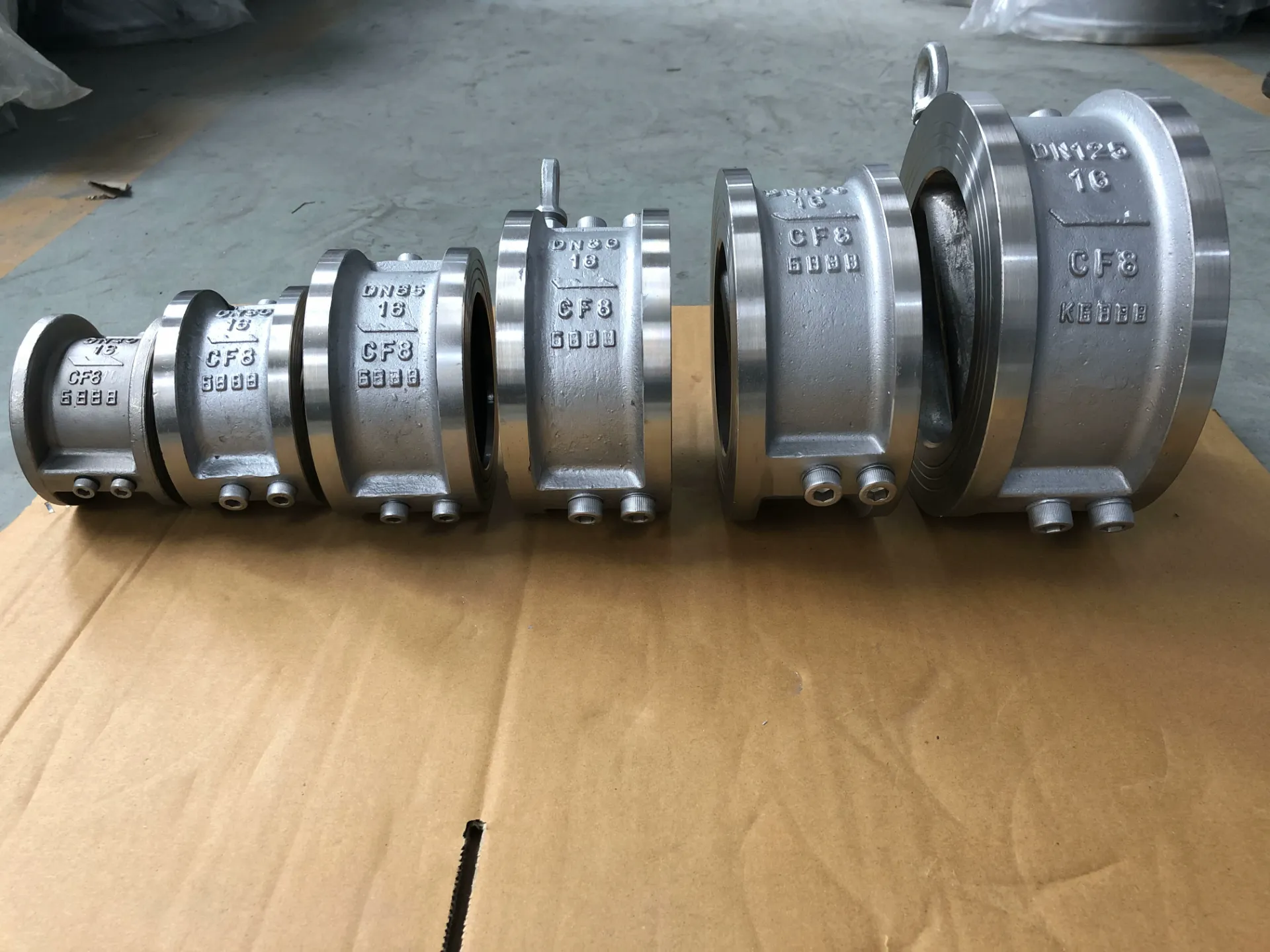
Manual Gate Valves: The Basics
A van cổng bằng tay is designed for straightforward operation. These valves control the flow of water or other fluids by raising or lowering a gate inside the valve body. The manual operation is achieved by a handwheel or lever, which allows the operator to open or close the valve by turning it. Manual gate valves are commonly used in applications where precise, on-demand flow control is necessary.
Advantages: Simple to operate, no need for external power sources, cost-effective.
Disadvantages: Manual operation can be time-consuming, especially for large systems requiring frequent adjustments.
These valves are widely used in water treatment plants, irrigation systems, and various industrial applications where automatic control is not required.
Manual Gate Valves with Limit Switches
Manual gate valves with limit switches offer an added layer of precision and reliability to the standard manual valve. The limit switch in this design helps to automatically detect when the valve has reached its fully open or closed position. This feature is particularly useful in systems where it is critical to ensure that the valve reaches the correct position without the need for continuous monitoring.
Advantages: Ensures accurate valve positioning, prevents over-tightening, and reduces wear.
Disadvantages: More complex than standard manual valves, higher cost due to the inclusion of limit switches.
These types of valves are ideal for automated systems, where manual operation is still preferred, but there's a need for additional safety and control, such as in water supply lines, sewage treatment plants, and chemical processing facilities.
Manual Sewer Gate Valves
Manual sewer gate valves are specifically designed for use in wastewater and sewerage systems. These valves are built to handle the unique demands of sewage systems, including corrosive materials and high-pressure environments. They allow operators to control the flow of sewage or wastewater, making them essential for maintaining proper flow and pressure in these critical infrastructure systems.
Advantages: Durable construction to withstand harsh environments, simple operation for ease of maintenance.
Disadvantages: Requires regular maintenance due to exposure to corrosive substances and wear.
These valves are often installed in treatment plants, municipal sewer systems, and industrial applications where wastewater management is essential. Their robust construction ensures they continue to perform under challenging conditions.
Manual Slide Gate Valves
Manual slide gate valves are a subtype of manual gate valves that feature a sliding gate instead of a traditional wedge or disc gate. The sliding gate can be easily moved horizontally to open or close the valve, allowing for better flow control in certain applications. These valves are often used in systems that require frequent flow adjustments or in systems where fluid dynamics demand more control than a standard gate valve.
Advantages: Precise flow control, simple design, easy maintenance.
Disadvantages: May require more space for installation, less effective in high-pressure systems compared to other types of gate valves.
Manual slide gate valves are commonly used in bulk material handling, wastewater treatment, and even in food processing where flow adjustments are crucial. Their ease of operation and ability to handle varying flow rates make them suitable for a wide range of applications.
Manual Slide Gate Valves FAQs
What is a manual gate valve?
Manual gate valves are valves that are operated by hand, usually through a handwheel or lever, to control the flow of liquids or gases. They are commonly used in water supply, wastewater, and industrial systems where automatic control is not necessary.
How do manual gate valves with limit switches work?
Manual gate valves with limit switches use an integrated limit switch to detect when the valve has reached its fully open or closed position, ensuring that the valve does not exceed these positions. This provides more precision and helps prevent damage to the valve.
Are manual sewer gate valves different from regular gate valves?
Yes, manual sewer gate valves are specifically designed to handle the demands of wastewater and sewage systems. They are built with durable materials to resist corrosion from the harsh chemicals and substances found in sewage.
What are the advantages of using manual slide gate valves?
Manual slide gate valves provide precise control over fluid flow and are often used in systems requiring frequent flow adjustments. They are ideal for applications like wastewater treatment, bulk material handling, and food processing.
What is the best type of manual gate valve for my system?
The best type of van cổng bằng tay depends on the specific requirements of your system. For basic flow control, a standard manual gate valve will suffice. If you need more precise control or automation, you may want to consider a valve with a limit switch or a manual slide gate valve for greater flow regulation.
Choosing the right van cổng bằng tay for your water, wastewater, or industrial system is critical for ensuring reliable and efficient operation. Whether you opt for a standard van cổng bằng tay, one with a limit switch, or a manual slide gate valve, each option has its unique benefits that can help meet the demands of your specific application.
At our company, we specialize in offering high-quality valves that are designed to meet the toughest demands. We use advanced sand casting and precision casting technology to produce durable valves that will perform for years to come. Each valve is tested before shipment to ensure it meets the highest standards.
Visit our website today to learn more about our range of manual gate valves, and explore customized solutions designed to fit your needs. Our team is ready to assist you with any questions or specific requirements, and we offer fast shipping to ensure your project stays on track. Don't wait – get the right valve for your system today!
-
Comprehensive Guide to China Pipe Laterals Fittings for Global Trade ApplicationsTin tứcFeb.24,2026
-
China Extended Body Gate Valves A Comprehensive Guide To Selection And ApplicationTin tứcFeb.11,2026
-
Comprehensive Guide to China 3 Inch Butterfly Valve Selection and ApplicationsTin tứcJan.30,2026
-
Comprehensive Guide to Pipe Adaptors and Fittings for Efficient SystemsTin tứcJan.28,2026
-
Comprehensive Guide to Pipe T Fittings for Plumbing and Fluid Transfer SystemsTin tứcJan.28,2026
-
Comprehensive Guide to Union Pipe Fitting Selection and ApplicationsTin tứcJan.27,2026
-
Comprehensive Guide to China Angle Globe Valves for Industrial ApplicationsTin tứcJan.27,2026
 Vietnamese
 Afrikaans
  Albanian
  Amharic
  Arabic
  Armenian
  Azerbaijani
  Basque
  Belarusian
  Bengali
  Bosnian
  Bulgarian
  Catalan
  Cebuano
  Croatian
  Czech
Czech  Danish
  Dutch
Dutch  English Esperanto
  Estonian
  Finnish
  French
  Frisian
  Galician
  Georgian
  German
  Greek
Greek  Gujarati
  Hebrew
  Hindi
Hindi  Hungarian
  Icelandic
  Indonesian
  Italian
  Japanese
  Kannada
  Kazakh
  Khmer
Khmer  Korean
  Kurdish
  Lao
Lao  Latvian
  Lithuanian
  Macedonian
  Malay
Malay  Malayalam
  Marathi
  Mongolian
  Myanmar
  Nepali
  Norwegian
  Pashto
  Persian
  Polish
  Portuguese
  Panjabi
  Romanian
  Russian
  Scottish Gaelic
  Serbian
  Sinhala
  Slovak
  Slovenian
  Spanish
  Swahili
  Swedish
  Tagalog
  Tamil
Tamil  Tatar
Tatar  Telugu
  Thai
Thai  Turkish
  Ukrainian
  Urdu
Urdu  Uighur
  Uzbek
Uzbek  Welsh
Welsh