 86-312-8695888
 86-13722963501
 info@hbysindustry.com
-
 Người châu Phi
-
 tiếng Albania
-
 tiếng Amharic
-
 tiếng Ả Rập
-
 tiếng Armenia
-
 Tiếng Azerbaijan
-
 Tiếng Basque
-
 Người Belarus
-
 tiếng Bengali
-
 tiếng Bosnia
-
 tiếng Bungari
-
 tiếng Catalan
-
 Cebuano
-
 Corsican
-
 tiếng Croatia
-
 tiếng Séc
-
 người Đan Mạch
-
 tiếng Hà Lan
-
 Tiếng Anh
-
 Quốc tế ngữ
-
 tiếng Estonia
-
 tiếng Phần Lan
-
 người Pháp
-
 tiếng Frisia
-
 tiếng Galicia
-
 tiếng Gruzia
-
 tiếng Đức
-
 người Hy Lạp
-
 Gujarati
-
 Tiếng Creole Haiti
-
 hausa
hausa
-
 người Hawaii
-
 tiếng Do Thái
-
 Không
Không
-
 Miêu
Miêu
-
 người Hungary
-
 tiếng Iceland
-
 igbo
igbo
-
 tiếng Indonesia
-
 người Ailen
-
 người Ý
-
 tiếng Nhật
-
 tiếng Java
-
 tiếng Kannada
-
 kazakh
-
 tiếng Khmer
-
 người Rwanda
-
 Hàn Quốc
-
 người Kurd
-
 Tiếng Kyrgyzstan
-
 Lao
Lao
-
 Latin
Latin
-
 tiếng Latvia
-
 tiếng Litva
-
 Tiếng Luxembourg
-
 Tiếng Macedonia
-
 Malgashi
-
 Mã Lai
-
 Mã Lai
-
 cây nho
-
 người Maori
-
 Tiếng Marathi
-
 tiếng Mông Cổ
-
 Myanmar
-
 tiếng Nepal
-
 người Na Uy
-
 người Na Uy
-
 tiếng Occitan
-
 Tiếng Pa-tô
-
 tiếng Ba Tư
-
 Đánh bóng
-
 tiếng Bồ Đào Nha
-
 Tiếng Punjab
-
 người Rumani
-
 tiếng Nga
-
 Tiếng Samoa
-
 Tiếng Gaelic của Scotland
-
 tiếng Serbia
-
 Tiếng Anh
-
 Shona
Shona
-
 tiếng Sindhi
-
 Sinhala
-
 Tiếng Slovak
-
 tiếng Slovenia
-
 tiếng Somali
-
 người Tây Ban Nha
-
 Tiếng Sundan
-
 tiếng Swahili
-
 tiếng Thụy Điển
-
 Tagalog
-
 Tiếng Tajik
-
 Tiếng Tamil
-
 Tatar
Tatar
-
 tiếng Telugu
-
 tiếng Thái
-
 tiếng Thổ Nhĩ Kỳ
-
 người Thổ Nhĩ Kỳ
-
 tiếng Ukraina
-
 tiếng Urdu
-
 người Duy Ngô Nhĩ
-
 tiếng Uzbek
-
 Tiếng Việt
-
 người xứ Wales
-
 Giúp đỡ
-
 tiếng Yiddish
-
 Yoruba
-
 Zulu
Zulu


Need Gas Ball Valves for Leak‑Free, Fast Shutoff?
Welded Gas Ball Valves: Field Notes, Specs, and What Actually Matters
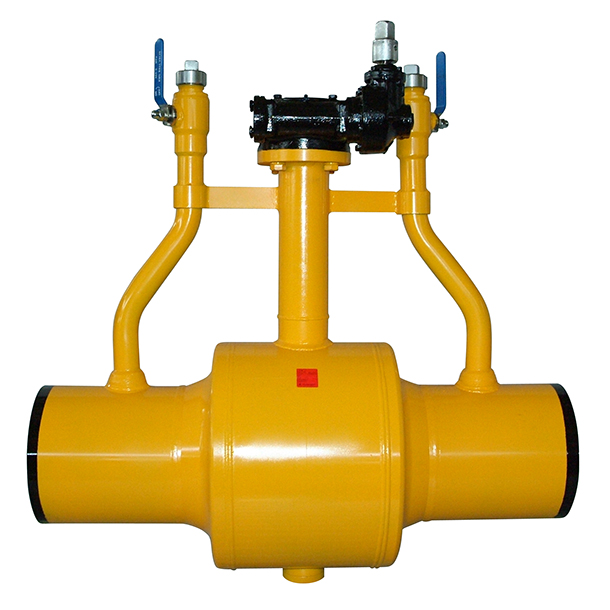
If you work with pipelines or city distribution, you already know that gas ball valves are the quiet heroes—buried, welded, and expected to operate flawlessly for years. The DN 15-800mm Oil And Gas Welded Ball Valve from Baoding (North Guzhuangying Village, Ansu Town, Xushui District, Hebei, China) is one of those “install-and-forget” pieces of kit. To be honest, that’s the point.
What’s trending (and why it matters)
Three real shifts: 1) fully welded bodies for zero external leakage and buried service; 2) tighter fugitive emission targets (think ISO 15848 direction); 3) more gear or actuator-ready designs for remote operation. Many customers say lifecycle costs beat flanged alternatives, especially where methane slip is under the microscope.
Core technical profile
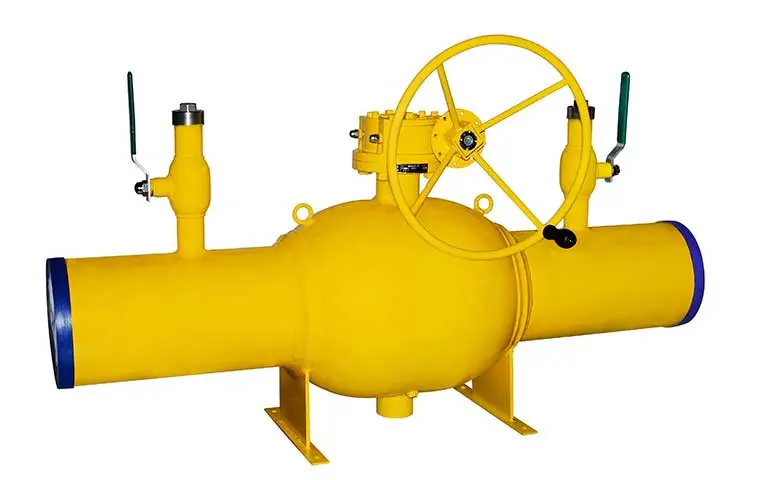
This model is a welded-body valve in WCB (ASTM A216) with welded ends, designed for natural gas and non-reactive gas media. Temperature ≤120 ℃. Standard sizes DN40–DN900 (factory can supply DN15–DN800 on request), pressure classes 1.6/2.5/4.0 MPa. Operation: bevel gear or polished (bare) stem; actuation options are often added in the field.

Product spec snapshot
| Product | Van bi hàn dầu khí DN 15-800mm |
| Body material | WCB (carbon steel) |
| Size range | Standard DN40–DN900; custom ≈DN15–DN800 |
| Pressure ratings | 1.6 / 2.5 / 4.0 MPa (≈PN16/25/40) |
| Temperature | ≤120 ℃ (real‑world use may vary with seats) |
| Ends | Welded (BW; typically per ASME B16.25) |
| Seats/Sealing | PTFE/RPTFE options; ISO 5208 Rate A leakage target |
| Testing | Shell 1.5×, seat 1.1× (API 598/API 6D test style) |
| Operators | Bevel gear, polished rod; actuator-ready by request |
Field notes: we’ve seen torque figures come in 10–15% lower than spec after burn-in. Cycle life? Around 10,000–20,000 cycles depending on cleanliness and filtration—no miracles, just good machining and seat alignment.
Manufacturing and QA flow (short version)
- Materials: WCB body; balls often 410/13Cr or 304 overlay; stem anti-blowout; antistatic path.
- Methods: full-body welding, PWHT where required, precise seat pocket machining.
- NDT: weld RT/UT as per project spec; PMI on heats; hydro and air tests (API 598 / ISO 5208).
- Coating: external epoxy or FBE for buried service; optional extended stem/vents.
- Certs: ISO 9001 QMS; designs referenced to ASME B16.34, ISO 17292; optional API 6D compliance.
Where gas ball valves like this excel
City gas loops, transmission block valves, industrial burners, CNG stations, and plant utilities. Surprisingly, we see them win most on buried runs where external sealing and corrosion resistance are non‑negotiable.
Vendor comparison (indicative)
| Item | HBYS (Baoding) | Vendor A | Vendor B |
|---|---|---|---|
| Lead time | ≈4–8 weeks | 6–10 weeks | 5–9 weeks |
| Size envelope | DN40–DN900 (custom DN15–DN800) | DN50–DN600 | DN80–DN1000 |
| Standards | API 598/6D testing, ISO 17292 ref. | API 598 | API 598 + fire-safe option |
| Customization | Extended stem, coatings, actuation | Limited | Moderate |
Customization and options
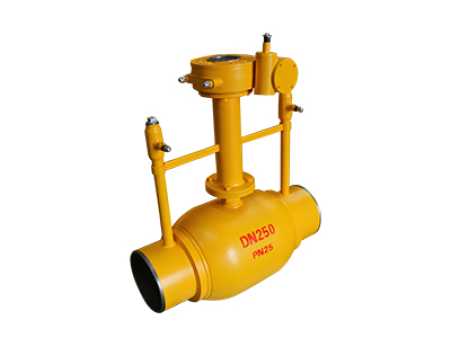
Extend stems for buried lines, add gearboxes, pneumatic/electric actuators, or specify FBE coatings. For sour service, ask for NACE MR0175-compatible trim. It seems that the sweet spot is a gear‑operated, buried install with cathodic protection and coated body.

Quick case notes
- Northern city-gas loop (≈64 km): fully welded gas ball valves, DN200–DN400, zero external leakage after 12 months, seat test repeat passed.
- Industrial boiler yard retrofits: DN80–DN150 with bevel gear; maintenance reported torque “lower than expected after a week’s cycling.”
Final thought: pick welded gas ball valves when you need tightness and longevity underground. Don’t overcomplicate—spec the testing, the coating, and the actuation, then let the metallurgy do its work.
Authoritative references
- API 6D: Specification for Pipeline and Piping Valves.
- ISO 5208: Industrial valves—Pressure testing of metallic valves.
- ASME B16.34: Valves—Flanged, Threaded, and Welding End.
- ISO 17292: Metal ball valves for petroleum, petrochemical and allied industries.
- API 607: Fire Test for Quarter-turn Valves and Valves Equipped with Nonmetallic Seats.
-
Comprehensive Guide to China Pipe Laterals Fittings for Global Trade ApplicationsTin tứcFeb.24,2026
-
China Extended Body Gate Valves A Comprehensive Guide To Selection And ApplicationTin tứcFeb.11,2026
-
Comprehensive Guide to China 3 Inch Butterfly Valve Selection and ApplicationsTin tứcJan.30,2026
-
Comprehensive Guide to Pipe Adaptors and Fittings for Efficient SystemsTin tứcJan.28,2026
-
Comprehensive Guide to Pipe T Fittings for Plumbing and Fluid Transfer SystemsTin tứcJan.28,2026
-
Comprehensive Guide to Union Pipe Fitting Selection and ApplicationsTin tứcJan.27,2026
-
Comprehensive Guide to China Angle Globe Valves for Industrial ApplicationsTin tứcJan.27,2026
 Vietnamese
 Afrikaans
  Albanian
  Amharic
  Arabic
  Armenian
  Azerbaijani
  Basque
  Belarusian
  Bengali
  Bosnian
  Bulgarian
  Catalan
  Cebuano
  Croatian
  Czech
Czech  Danish
  Dutch
Dutch  English Esperanto
  Estonian
  Finnish
  French
  Frisian
  Galician
  Georgian
  German
  Greek
Greek  Gujarati
  Hebrew
  Hindi
Hindi  Hungarian
  Icelandic
  Indonesian
  Italian
  Japanese
  Kannada
  Kazakh
  Khmer
Khmer  Korean
  Kurdish
  Lao
Lao  Latvian
  Lithuanian
  Macedonian
  Malay
Malay  Malayalam
  Marathi
  Mongolian
  Myanmar
  Nepali
  Norwegian
  Pashto
  Persian
  Polish
  Portuguese
  Panjabi
  Romanian
  Russian
  Scottish Gaelic
  Serbian
  Sinhala
  Slovak
  Slovenian
  Spanish
  Swahili
  Swedish
  Tagalog
  Tamil
Tamil  Tatar
Tatar  Telugu
  Thai
Thai  Turkish
  Ukrainian
  Urdu
Urdu  Uighur
  Uzbek
Uzbek  Welsh
Welsh