 86-312-8695888
 86-13722963501
 info@hbysindustry.com
-
 Người châu Phi
-
 tiếng Albania
-
 tiếng Amharic
-
 tiếng Ả Rập
-
 tiếng Armenia
-
 Tiếng Azerbaijan
-
 Tiếng Basque
-
 Người Belarus
-
 tiếng Bengali
-
 tiếng Bosnia
-
 tiếng Bungari
-
 tiếng Catalan
-
 Cebuano
-
 Corsican
-
 tiếng Croatia
-
 tiếng Séc
-
 người Đan Mạch
-
 tiếng Hà Lan
-
 Tiếng Anh
-
 Quốc tế ngữ
-
 tiếng Estonia
-
 tiếng Phần Lan
-
 người Pháp
-
 tiếng Frisia
-
 tiếng Galicia
-
 tiếng Gruzia
-
 tiếng Đức
-
 người Hy Lạp
-
 Gujarati
-
 Tiếng Creole Haiti
-
 hausa
hausa
-
 người Hawaii
-
 tiếng Do Thái
-
 Không
Không
-
 Miêu
Miêu
-
 người Hungary
-
 tiếng Iceland
-
 igbo
igbo
-
 tiếng Indonesia
-
 người Ailen
-
 người Ý
-
 tiếng Nhật
-
 tiếng Java
-
 tiếng Kannada
-
 kazakh
-
 tiếng Khmer
-
 người Rwanda
-
 Hàn Quốc
-
 người Kurd
-
 Tiếng Kyrgyzstan
-
 Lao
Lao
-
 Latin
Latin
-
 tiếng Latvia
-
 tiếng Litva
-
 Tiếng Luxembourg
-
 Tiếng Macedonia
-
 Malgashi
-
 Mã Lai
-
 Mã Lai
-
 cây nho
-
 người Maori
-
 Tiếng Marathi
-
 tiếng Mông Cổ
-
 Myanmar
-
 tiếng Nepal
-
 người Na Uy
-
 người Na Uy
-
 tiếng Occitan
-
 Tiếng Pa-tô
-
 tiếng Ba Tư
-
 Đánh bóng
-
 tiếng Bồ Đào Nha
-
 Tiếng Punjab
-
 người Rumani
-
 tiếng Nga
-
 Tiếng Samoa
-
 Tiếng Gaelic của Scotland
-
 tiếng Serbia
-
 Tiếng Anh
-
 Shona
Shona
-
 tiếng Sindhi
-
 Sinhala
-
 Tiếng Slovak
-
 tiếng Slovenia
-
 tiếng Somali
-
 người Tây Ban Nha
-
 Tiếng Sundan
-
 tiếng Swahili
-
 tiếng Thụy Điển
-
 Tagalog
-
 Tiếng Tajik
-
 Tiếng Tamil
-
 Tatar
Tatar
-
 tiếng Telugu
-
 tiếng Thái
-
 tiếng Thổ Nhĩ Kỳ
-
 người Thổ Nhĩ Kỳ
-
 tiếng Ukraina
-
 tiếng Urdu
-
 người Duy Ngô Nhĩ
-
 tiếng Uzbek
-
 Tiếng Việt
-
 người xứ Wales
-
 Giúp đỡ
-
 tiếng Yiddish
-
 Yoruba
-
 Zulu
Zulu


Pipe Line Fitting Supplier - Durable, Precise, Fast Ship
ANSI Pipe Fittings Series: real-world notes, specs, and what actually matters on site
If you're speccing a pipe line fitting today, you’re probably juggling standards, lead times, and the usual “will this survive our media and pressure?” anxiety. I get it. Having walked plants where a single mis‑matched elbow caused a week of downtime, I’ve grown picky—maybe annoyingly so—about materials, testing, and provenance.
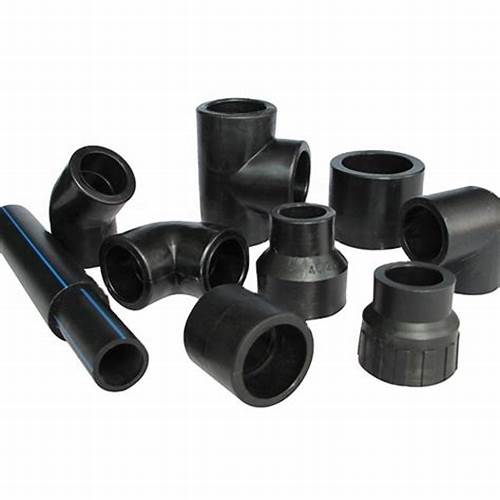
What’s trending (and why it matters)
Three shifts keep popping up: tighter traceability (EN 10204 3.1 certs are now baseline), wider material mixes (duplex and low-temp carbon are no longer “specials”), and faster customization. In fact, many customers say they’ll trade brand premium for documented test data and a dependable MTR trail. Sensible, honestly.
Product snapshot: ANSI Pipe Fittings Series
| Parameter | Spec (≈ real-world use may vary) |
|---|---|
| Standards | ASME B16.9 (butt‑weld), ASME B16.11 (socket/threaded), ASME B1.20.1 (NPT) |
| Materials | ASTM A234 WPB/WPC, ASTM A420 WPL6 (LTCS), ASTM A105/Forged CS, ASTM A182 F304/F316, Duplex on request |
| Pressure Class | Class 150/300/600/900 (threaded & socket); BW fittings sized by schedule (Sch 10–XXS) |
| Ends | Butt‑weld, Socket‑weld, NPT |
| Coatings | Black oxide, hot‑dip galvanizing, epoxy (per order) |
| Temperature Window | ≈ −46 °C to 425 °C depending on grade and code |
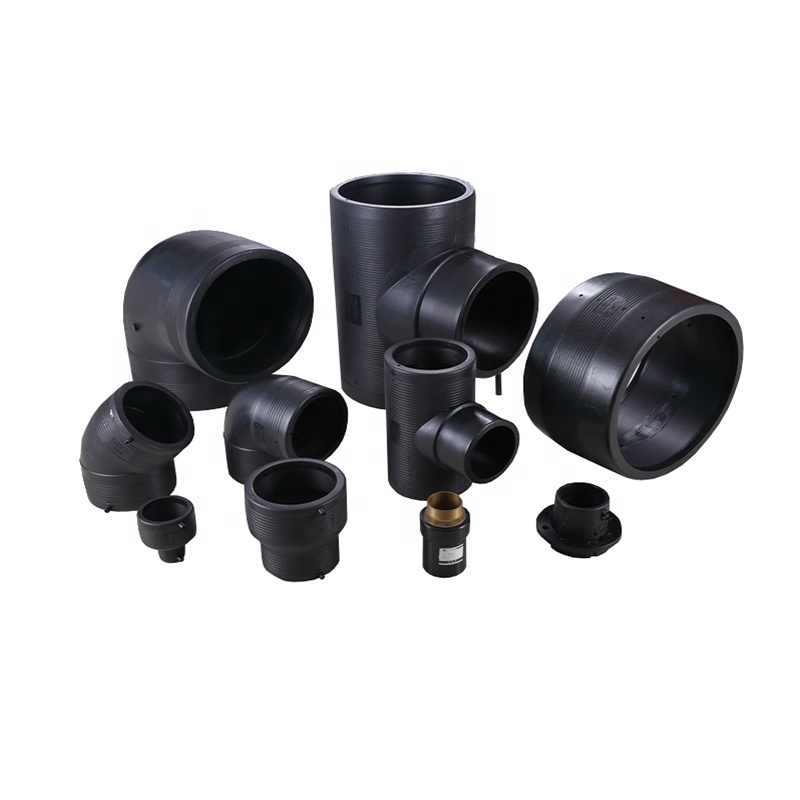
From billet to box: process flow (short version)
- Materials: certified heats (A105/A234/A182), PMI on stainless/duplex.
- Forming: hot forming/forging; controlled normalizing/solution treatment.
- Machining: bevels per ASME B16.25; thread gauge verified (NPT L1/L3).
- Surface: shot‑blast, pickling (SS), passivation where specified.
- Testing: dimensional checks to ASME B16.9/16.11; NDE PT/MT per ASME Sec V; hardness (Brinell/Rockwell) spot checks; hydro if ordered (ISO 5208).
- Docs: EN 10204 3.1 MTRs, heat traceability, coating reports.
Typical service life? Around 20–30 years in carbon steel with proper corrosion allowance; stainless and duplex can go longer if chloride and temperature are managed. To be honest, installation quality still makes or breaks the outcome.
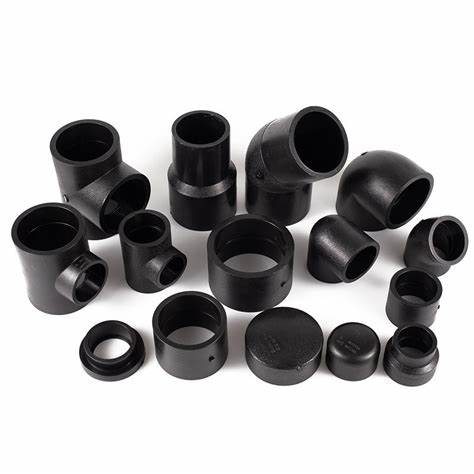
Where they get used (and why)
Oil & gas flowlines, chemical transfer skids, power plant condensate loops, district heating, and surprisingly, craft breweries (stainless, sanitary‑adjacent). A pipe line fitting seems simple, yet it dictates flow efficiency and leak integrity. One refinery reliability lead told me their best ROI came from upgrading a handful of tees and reducers—pressure drops fell, pump energy with it.
Field test notes
- Hydro proof: up to 1.5× design pressure when specified; hold ≈ 60 min, no visible seepage.
- NDE acceptance: per ASME Sec V methods; indications evaluated to project ITP (usually MSS tolerances).
- Dimensional tolerance: elbows/tees per ASME B16.9 tables; threads verified with calibrated gauges.
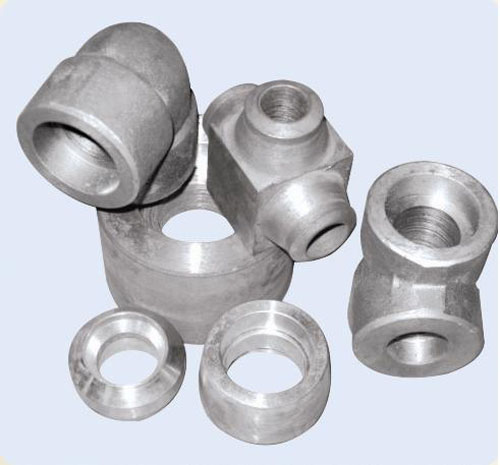
Vendor snapshot and customization
Origin: North Guzhuangying Village, Ansu Town, Xushui District, Baoding City, Hebei Province, China. Custom skids ask for odd angles, thicker corrosion allowances, or NACE MR0175 material control—totally doable if you lock specs early. Lead time compresses when you accept near‑net shapes plus final machining on site, though I guess not everyone likes that risk.
| Vendor | Certs | MOQ | Lead Time | Customization | Price Index |
|---|---|---|---|---|---|
| HBYS Valves (Baoding) | ISO 9001; 3.1 MTRs; NACE materials on request | Low–medium | ≈ 2–4 weeks | Angles, coatings, specials | $ (value) |
| Regional Stockist | Mixed, depends on lot | Single‑piece possible | Ex‑stock to 1 week | Limited | $$ |
| Global Brand | ISO 9001, PED, more | Medium | 4–8 weeks | Broad catalog | $$$ |
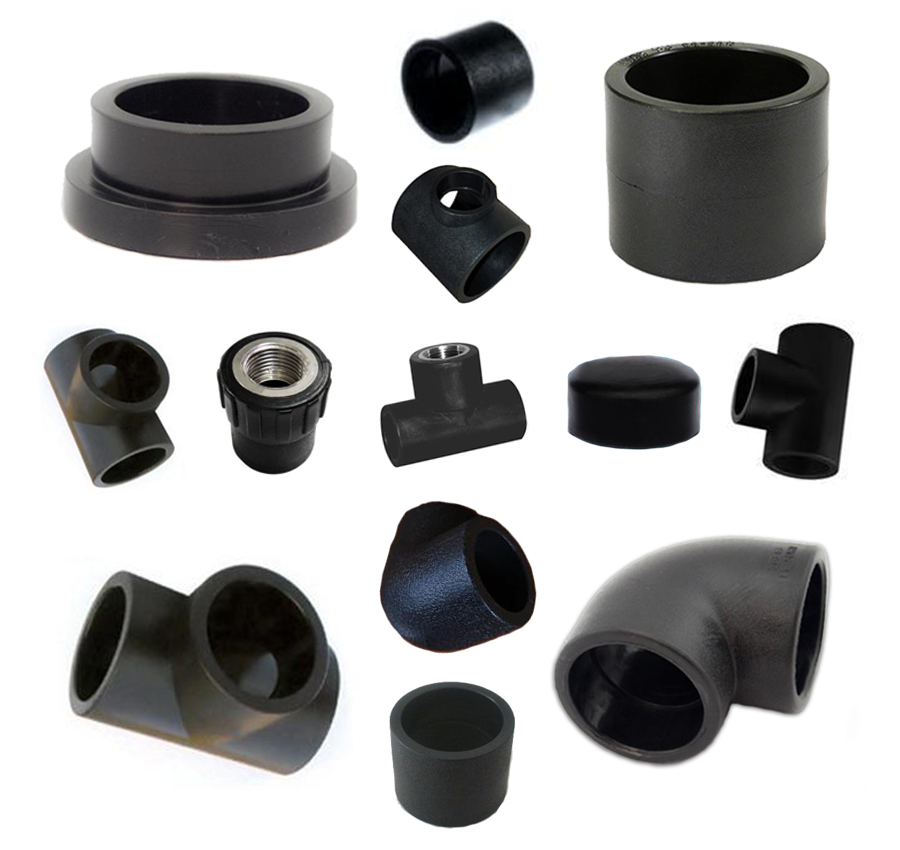
Mini case study
A district heating retrofit swapped legacy elbows for schedule‑matched pipe line fitting components in A234 WPB. Result: ≈ 8% pump energy reduction and zero leaks after 18 months. Not headline news, but the maintenance team was thrilled. Small wins add up.
Standards & references: ASME B16.9/B16.11 for geometry; ASME B1.20.1 for threads; materials per ASTM A234, A105, A182; optional hydro per ISO 5208; NACE MR0175 for sour service selection; QA under ISO 9001.
Authoritative citations
-
Comprehensive Guide to China Pipe Laterals Fittings for Global Trade ApplicationsTin tứcFeb.24,2026
-
China Extended Body Gate Valves A Comprehensive Guide To Selection And ApplicationTin tứcFeb.11,2026
-
Comprehensive Guide to China 3 Inch Butterfly Valve Selection and ApplicationsTin tứcJan.30,2026
-
Comprehensive Guide to Pipe Adaptors and Fittings for Efficient SystemsTin tứcJan.28,2026
-
Comprehensive Guide to Pipe T Fittings for Plumbing and Fluid Transfer SystemsTin tứcJan.28,2026
-
Comprehensive Guide to Union Pipe Fitting Selection and ApplicationsTin tứcJan.27,2026
-
Comprehensive Guide to China Angle Globe Valves for Industrial ApplicationsTin tứcJan.27,2026
 Vietnamese
 Afrikaans
  Albanian
  Amharic
  Arabic
  Armenian
  Azerbaijani
  Basque
  Belarusian
  Bengali
  Bosnian
  Bulgarian
  Catalan
  Cebuano
  Croatian
  Czech
Czech  Danish
  Dutch
Dutch  English Esperanto
  Estonian
  Finnish
  French
  Frisian
  Galician
  Georgian
  German
  Greek
Greek  Gujarati
  Hebrew
  Hindi
Hindi  Hungarian
  Icelandic
  Indonesian
  Italian
  Japanese
  Kannada
  Kazakh
  Khmer
Khmer  Korean
  Kurdish
  Lao
Lao  Latvian
  Lithuanian
  Macedonian
  Malay
Malay  Malayalam
  Marathi
  Mongolian
  Myanmar
  Nepali
  Norwegian
  Pashto
  Persian
  Polish
  Portuguese
  Panjabi
  Romanian
  Russian
  Scottish Gaelic
  Serbian
  Sinhala
  Slovak
  Slovenian
  Spanish
  Swahili
  Swedish
  Tagalog
  Tamil
Tamil  Tatar
Tatar  Telugu
  Thai
Thai  Turkish
  Ukrainian
  Urdu
Urdu  Uighur
  Uzbek
Uzbek  Welsh
Welsh